




































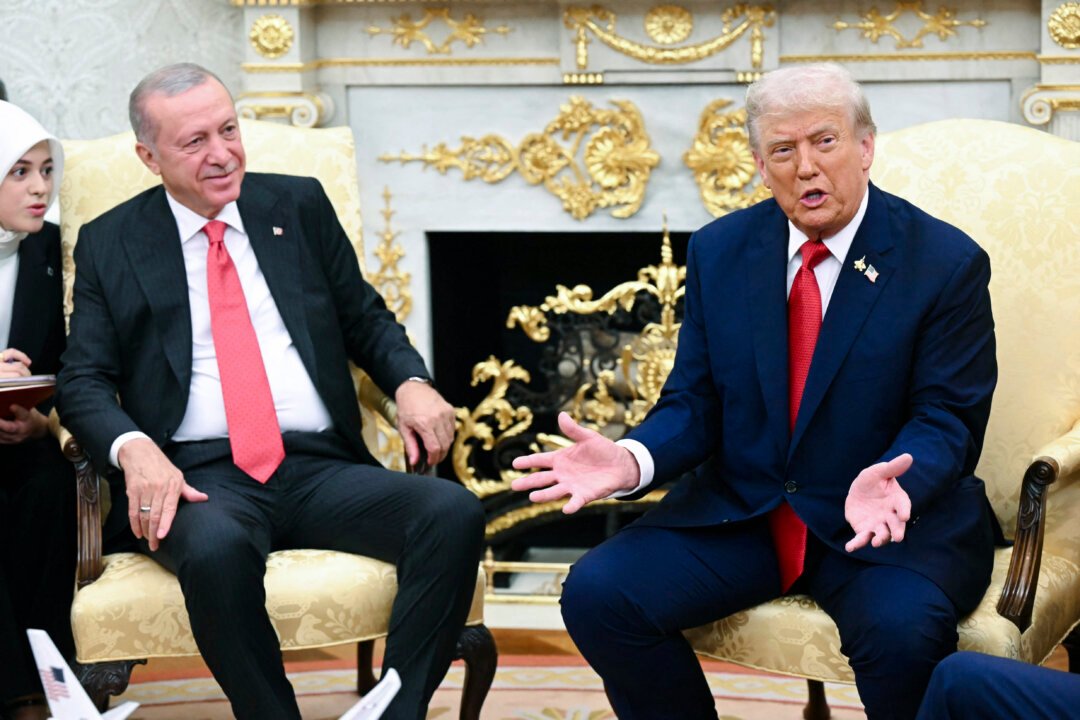
Turkish President Recep Tayyip Erdogan has confirmed plans for a pivotal telephone conversation with U.S. President Donald Trump scheduled for the afternoon of January 5, marking a significant diplomatic engagement between the two leaders amid escalating regional conflicts.

The timing of this high-stakes call carries particular weight, coming exactly one week after Trump’s meeting with Israeli Prime Minister Benjamin Netanyahu, signaling the administration’s intensive focus on Middle Eastern affairs during this critical period.
Speaking to reporters in Istanbul on January 2, Erdogan outlined the scope of their upcoming discussion, stating: “We will have another phone call with President Trump on Monday.” The Turkish leader emphasized that their conversation will center on two of the world’s most pressing conflicts – the ongoing war between Russia and Ukraine, and the deteriorating situation between Israel and the Palestinians.
This diplomatic outreach represents a crucial moment for Turkish-American relations, as both nations navigate complex geopolitical challenges that have reshaped regional dynamics. Turkey’s unique position as a NATO member with significant influence in both the Middle East and Eastern Europe makes Erdogan’s perspective particularly valuable to the Trump administration.
The scheduled call comes at a time when international pressure is mounting for diplomatic solutions to multiple global flashpoints. Turkey has maintained its role as a key mediator in regional conflicts, previously facilitating grain deals between Russia and Ukraine while also playing a significant part in Middle Eastern diplomatic initiatives.
The strategic importance of this conversation cannot be understated, as both leaders seek to address humanitarian crises and security concerns that have far-reaching implications for global stability. With Turkey serving as a crucial bridge between East and West, Erdogan’s insights on both the Ukrainian conflict and Israeli-Palestinian tensions will likely influence American foreign policy decisions in the coming months.
As the international community watches closely, this January 5 phone call may prove instrumental in shaping diplomatic approaches to two of the world’s most consequential ongoing conflicts.