


































The U.S. Coast Guard has officially suspended its search and rescue operations following military strikes against suspected drug trafficking vessels in Pacific waters, marking the end of a intensive 65-hour maritime operation that began after American forces engaged three narco-smuggling boats earlier this week.

The dramatic sequence of events unfolded on December 30, when U.S. Southern Command forces conducted what military officials described as “kinetic strikes” against a convoy of three suspected drug trafficking vessels operating in international waters approximately 400 nautical miles southwest of the Mexico-Guatemala border.
In an official statement released January 2, Coast Guard officials confirmed the difficult decision to halt search efforts after more than two and a half days of continuous operations scanning the remote Pacific waters for potential survivors. The search area, located hundreds of miles from the nearest coastline, presented significant logistical challenges for rescue crews operating in the vast expanse of ocean.
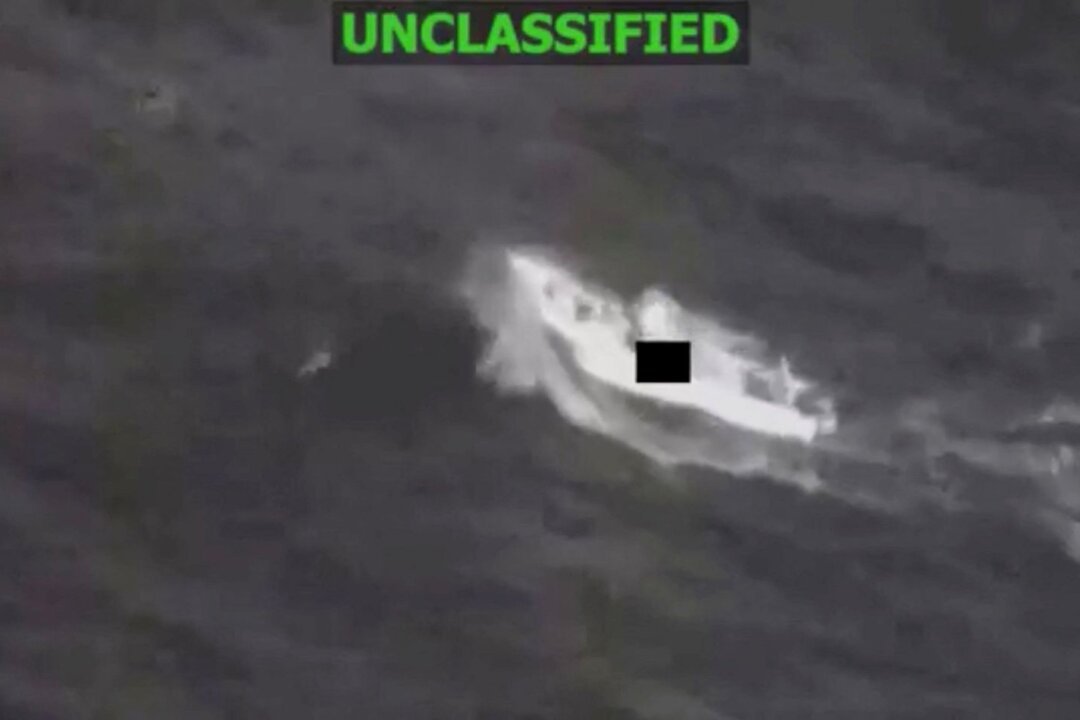
The military action represents part of ongoing U.S. efforts to combat drug trafficking networks that use maritime routes to transport illegal substances toward American shores. U.S. Southern Command, which oversees military operations in Central and South America as well as the Caribbean, released imagery showing what officials identified as one of the targeted narco-trafficking vessels.
The suspension of search operations comes after Coast Guard crews exhausted standard protocols for maritime rescue missions in the area. Weather conditions, the remote location, and the amount of time elapsed since the initial strikes all factored into the decision to end active search efforts.
This incident highlights the ongoing cat-and-mouse game between U.S. military and law enforcement agencies and sophisticated drug trafficking organizations that increasingly rely on maritime smuggling routes. These criminal networks often employ fast boats and other vessels to transport cocaine and other illegal drugs from South American production centers toward markets in North America.
The Pacific corridor has become an increasingly important transit zone for drug traffickers seeking to avoid heavily patrolled Caribbean routes. Intelligence officials note that criminal organizations have adapted their tactics to use the vast Pacific Ocean as a highway for smuggling operations, taking advantage of the sheer size of the area to evade detection.
U.S. Southern Command has not released additional details about the specific circumstances that led to the engagement of the three vessels or whether any contraband was recovered during the operation. The command typically conducts such operations in coordination with international partners and following established rules of engagement for maritime interdiction missions.