





































A 19-year-old Afghan national with permanent U.S. residency has been sentenced to 15 years in federal prison for his role in planning a terrorist attack intended to disrupt the 2024 presidential election, the Department of Justice announced Tuesday.

Abdullah Haji Zada was convicted alongside his co-conspirator, 28-year-old Nasir Ahmad Tawhedi, also an Afghan national, for orchestrating what authorities describe as a serious threat to the democratic process. The pair had acquired two AK-47-style assault rifles and 500 rounds of ammunition in preparation for their planned November 5 election day assault.
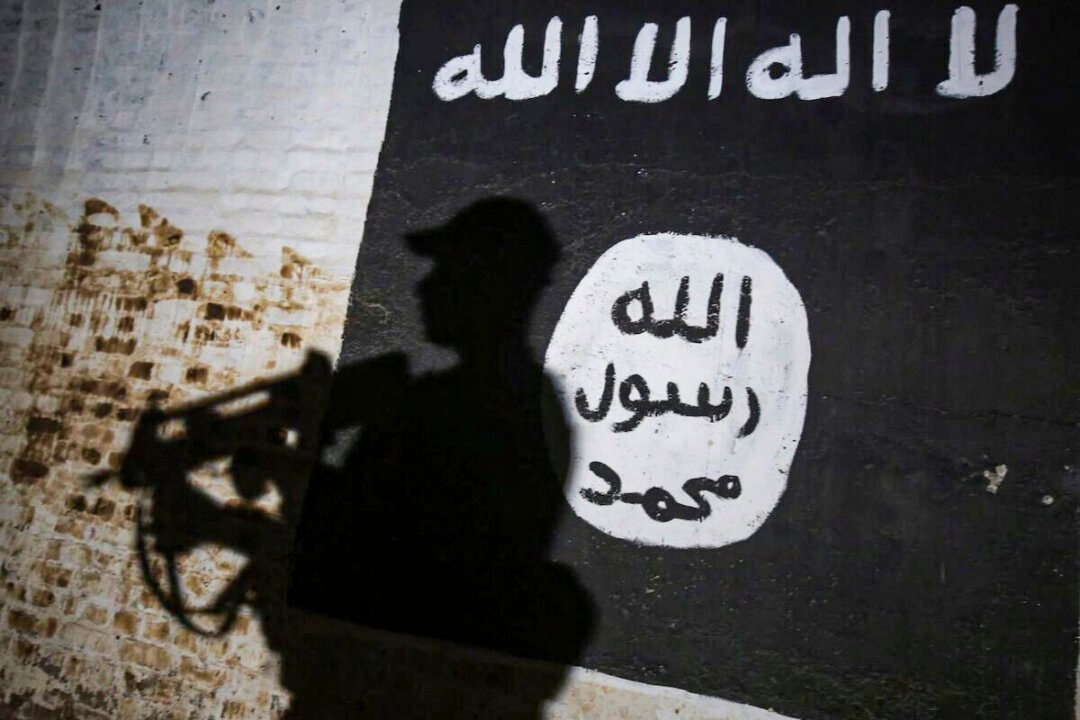
The case highlights ongoing concerns about domestic terrorism threats, particularly as foreign terrorist organizations continue to target American institutions. According to the Department of Homeland Security, groups like ISIS and al-Qaeda maintain active intentions to either directly execute attacks on U.S. soil or inspire others to carry out violence against American targets.
The investigation and subsequent prosecution underscore the vigilance of federal law enforcement agencies in identifying and neutralizing potential threats before they can materialize into actual violence. The plot represents one of several election-related security concerns that authorities monitored during the 2024 campaign season.
Both defendants’ status as Afghan nationals has drawn attention to ongoing debates about immigration security and the vetting processes for individuals seeking permanent residency in the United States. The case also reflects broader challenges facing counterterrorism officials as they work to prevent radicalized individuals from acting on extremist ideologies.
The 15-year sentence sends a clear message about the serious consequences facing those who attempt to undermine American democratic institutions through violence or intimidation. Federal prosecutors emphasized that protecting the electoral process remains a top priority for law enforcement agencies at all levels.
Details about how authorities first became aware of the plot and the specific investigative methods used to track the conspirators have not been fully disclosed, likely to protect ongoing counterterrorism operations and intelligence sources.