







































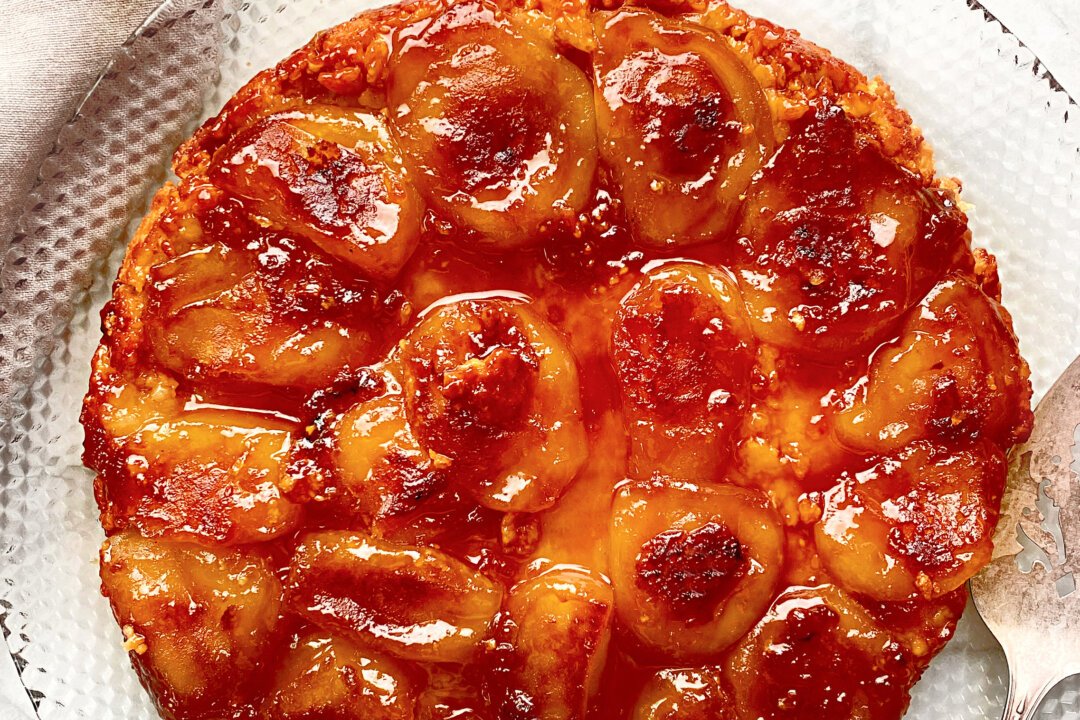
As autumn paints the landscape in brilliant hues, apple orchards across the country are heavy with fruit, and home kitchens are filling with the warm aromas of seasonal baking. When faced with bushels of crisp apples, there’s perhaps no better way to celebrate the harvest than with a classic French tarte tatin – the beloved upside-down apple tart that transforms simple ingredients into culinary magic.

This iconic French dessert showcases the perfect marriage of technique and simplicity. The process begins with apples simmering luxuriously in butter and sugar, creating a rich, burnished caramel that envelops each slice. As the fruit softens and releases its natural juices, it contributes to a filling that’s both complex and comforting.
What makes apples the ideal candidate for this seasonal showstopper is their remarkable ability to maintain structural integrity while yielding to the bubbling caramel. They soften just enough to absorb the sweet, buttery flavors without losing their shape – a crucial quality that ensures each slice of the finished tart displays those beautiful, intact apple segments.
The magic happens during the dramatic reveal. Once the tart is inverted, those caramelized apple slices that were nestled at the bottom of the pan become the stunning, lacquered crown of the dessert. The glossy, amber-colored fruit creates a visual masterpiece that’s almost too beautiful to cut – almost.
The foundation of this tarte tatin relies on a straightforward sour cream pastry that serves as the perfect canvas for the star ingredients above. This particular dough offers several advantages for home bakers, especially those still building their confidence in the kitchen. Its forgiving nature means that imperfections in rolling or shaping won’t derail the final result – in fact, the slightly irregular, crumbly texture adds to the rustic charm of the finished product.
During the baking process, something wonderful occurs. The caramel from the fruit filling begins to bubble up through the crust in spots, creating pockets of concentrated sweetness. Rather than being a flaw, this caramel migration is part of the tart’s charm. As the crust continues to bake and the tart cools, this wayward caramel hardens into a glossy coating that shellacs the pastry with an additional layer of sweetness and visual appeal.
The result is a dessert that embodies the essence of fall – the concentrated flavors of apples enhanced by rich caramel, all nestled atop a tender, buttery crust. It’s a testament to the French approach to pastry-making: taking a few quality ingredients and allowing technique to elevate them into something extraordinary.
Food and travel writer Lynda Balslev, who developed this particular version featuring Calvados cream, brings her extensive culinary training from Le Cordon Bleu in Paris to home kitchens. Her recipe requires 40 minutes of active preparation time and just over an hour total, plus chilling time for the dough – making it an achievable weekend project that delivers professional-level results.
Whether you’re looking to impress dinner guests or simply want to make the most of apple season’s bounty, this tarte tatin represents the perfect intersection of accessibility and sophistication. It’s a reminder that some of the most memorable desserts aren’t necessarily the most complicated – sometimes, it’s all about letting exceptional ingredients shine through time-tested techniques.