





































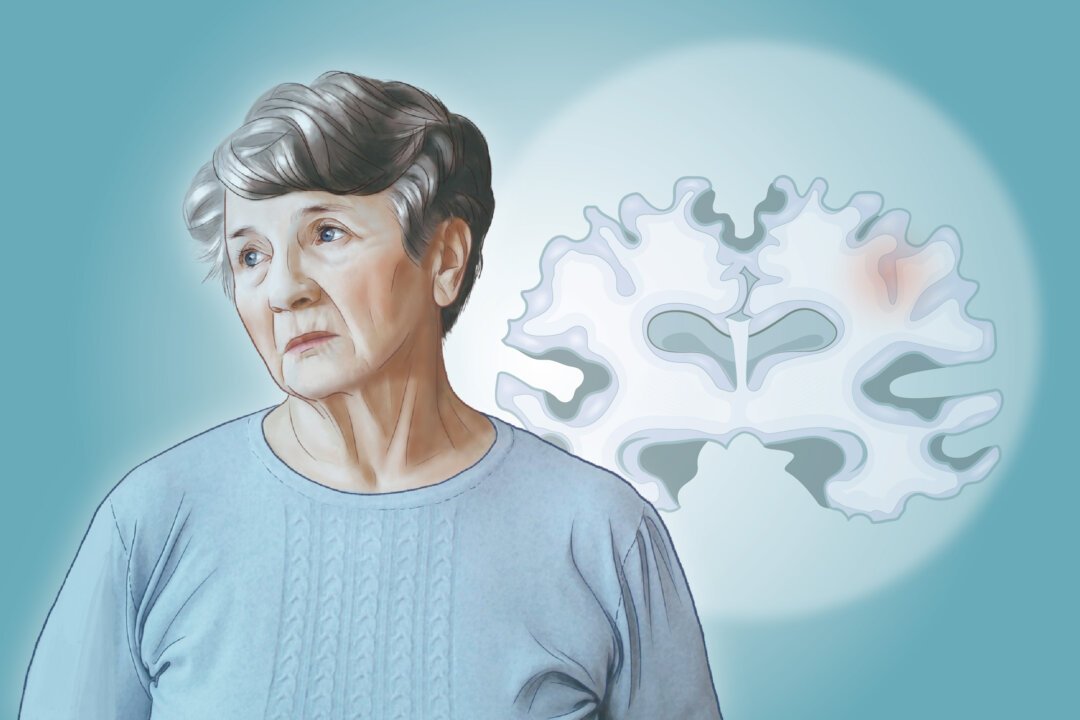
More than six million Americans are living with a devastating condition that slowly steals their memories, erases their ability to think clearly, and ultimately robs them of their capacity to perform the simplest daily activities. Alzheimer’s disease, the nation’s most prevalent neurodegenerative disorder, represents one of the greatest medical challenges of our time—a progressive, irreversible condition that proves fatal in every case.

What makes Alzheimer’s particularly insidious is its deceptive onset. The disease doesn’t announce itself with dramatic symptoms or sudden changes. Instead, it begins its destructive work years before any diagnosis is made, manifesting as seemingly innocent memory lapses that patients and their families often dismiss as normal signs of aging.
These early warning signs—forgetting where you placed your keys, struggling to remember a familiar name, or losing track of important dates—can appear so ordinary that they blend seamlessly into everyday life. Yet beneath this facade of normalcy, significant changes are already occurring within the brain, setting the stage for the more severe symptoms that will eventually emerge.
The statistics surrounding Alzheimer’s disease paint a sobering picture of its impact on American families. While the condition predominantly affects individuals aged 65 and older, its reach extends far beyond those directly diagnosed. Family members become caregivers, watching their loved ones gradually lose the essence of who they once were. The emotional toll is immeasurable, while the financial burden continues to grow as the population ages.
Research has revealed that the brain undergoes substantial changes long before cognitive or behavioral symptoms become apparent to patients or their families. This silent progression means that by the time most people seek medical attention, the disease has already established a significant foothold in their neurological system.
Understanding the nature of Alzheimer’s disease—its causes, symptoms, stages, and potential treatments—has become increasingly crucial as medical professionals work to identify better diagnostic methods and develop more effective interventions. While current treatments cannot cure or reverse the condition, early recognition and proper management can help maintain quality of life for longer periods.
The complexity of Alzheimer’s disease extends beyond its primary symptoms of memory loss. As the condition progresses, it affects multiple aspects of cognitive function, including language skills, spatial awareness, and decision-making abilities. Patients may experience changes in personality and behavior, adding another layer of difficulty for families already struggling to cope with their loved one’s declining mental capabilities.
Despite the challenges posed by Alzheimer’s disease, ongoing research continues to provide hope for better understanding and treatment options. Scientists are exploring various approaches, from lifestyle interventions that may help slow progression to cutting-edge therapies designed to target the underlying biological mechanisms of the disease.
For the millions of Americans affected by Alzheimer’s disease—whether as patients or caregivers—knowledge remains one of the most powerful tools available. Understanding what to expect, recognizing early warning signs, and knowing when to seek professional help can make a significant difference in managing this challenging condition and maintaining dignity throughout the journey ahead.