





































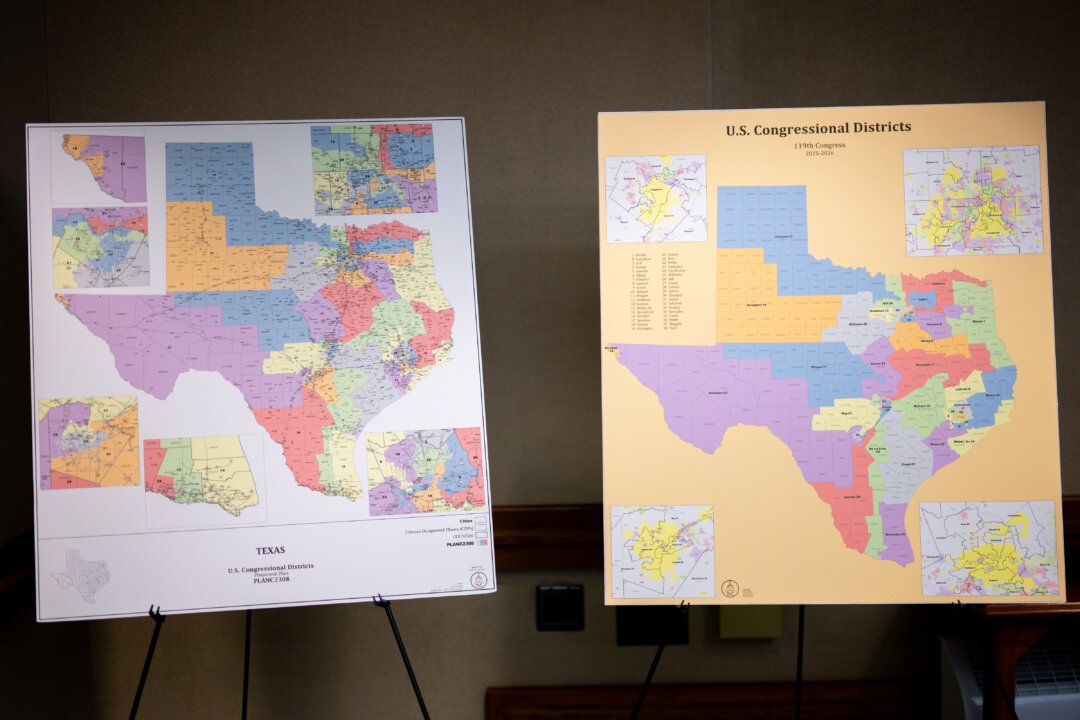
In a late-night decision on November 21, the U.S. Supreme Court issued an emergency stay that temporarily preserves Texas’s newly redrawn congressional map, effectively halting a lower court ruling that would have struck down the redistricting plan expected to bolster Republican representation in the state’s House delegation.

The high court’s intervention came just hours after Texas officials filed an urgent appeal challenging a federal district court’s November 18 ruling, which found that legal challengers had demonstrated a strong likelihood of proving the state’s congressional map constituted racial discrimination.
The emergency stay represents a significant victory for Texas Republicans, who had swiftly moved to defend their redistricting efforts following the lower court’s adverse ruling. The contested map, passed earlier this year during the state’s redistricting process, had been designed to potentially increase GOP representation in Texas’s substantial congressional delegation.
Federal District Judge’s ruling on November 18 had created immediate uncertainty for Texas election officials and political parties alike, as it suggested the redistricting plan violated federal voting rights protections. The court determined that evidence presented by challengers created a substantial probability that the map’s design intentionally disadvantaged minority voters in violation of constitutional principles.
The Supreme Court’s emergency action effectively freezes the lower court’s decision while the justices consider whether to take up the case for full review. This procedural move allows the disputed congressional boundaries to remain in effect pending further legal proceedings, providing temporary relief to state officials who had argued that striking down the map would create chaos in upcoming electoral preparations.
Texas’s congressional redistricting has drawn intense scrutiny from voting rights advocates and Democratic lawmakers, who contend that the Republican-controlled legislature deliberately crafted district boundaries to minimize minority voting power and maximize partisan advantage. The state’s rapid demographic changes, particularly growth in Hispanic and other minority populations, have made redistricting battles increasingly contentious.
The emergency stay underscores the Supreme Court’s continued involvement in high-stakes redistricting disputes across the nation. With congressional control often hinging on redistricting outcomes, these legal battles have taken on heightened significance in determining the balance of power in Washington.
Legal experts note that emergency stays from the Supreme Court, while not indicating the court’s final position on the underlying legal questions, often signal the justices’ inclination to maintain the status quo while complex constitutional issues are resolved through the full appellate process.
The timing of the Supreme Court’s intervention reflects the urgent nature of redistricting litigation, where court decisions can have immediate implications for election administration and candidate filing deadlines. Texas officials had emphasized the practical difficulties of implementing new district boundaries on short notice, particularly given the state’s size and administrative complexity.
As the legal challenge continues to wind through the federal court system, the Supreme Court’s emergency stay ensures that Texas’s current congressional map will remain operational, at least temporarily, while the broader constitutional questions surrounding the redistricting process await final resolution.