







































The U.S. Department of Energy is undergoing a dramatic transformation as the Trump administration dismantles key offices that spearheaded the previous administration’s ambitious clean energy transition, according to a revised organizational chart released November 20.

In a sweeping restructure that signals a fundamental shift in America’s energy priorities, the Department of Energy has eliminated the Office of Energy Efficiency and Renewable Energy (EERE) and the Office of Clean Energy Demonstrations (OCED) – two cornerstone agencies that drove billions in federal investment toward renewable technologies under President Biden.
The organizational overhaul represents more than just bureaucratic reshuffling. Where renewable energy offices once held prominent positions, the new structure elevates departments focused on nuclear power development, hydrocarbon exploration, and fossil fuel deployment – marking a clear pivot toward traditional energy sources.
This internal reorganization follows months of systematic funding cuts that have already redirected billions of dollars away from Biden-era energy projects. The Trump administration has methodically canceled federal funding streams that previously supported solar, wind, and other renewable energy initiatives across the country.
The elimination of EERE is particularly significant, as this office has historically served as the federal government’s primary vehicle for promoting energy efficiency standards and renewable energy research. Similarly, OCED played a crucial role in demonstrating and scaling clean energy technologies through pilot programs and public-private partnerships.
The restructuring comes as the new administration seeks to fulfill campaign promises to boost domestic oil and gas production while advancing nuclear energy as a reliable baseload power source. Industry observers note that the organizational changes reflect a broader strategy to position the United States as a dominant force in traditional energy markets.
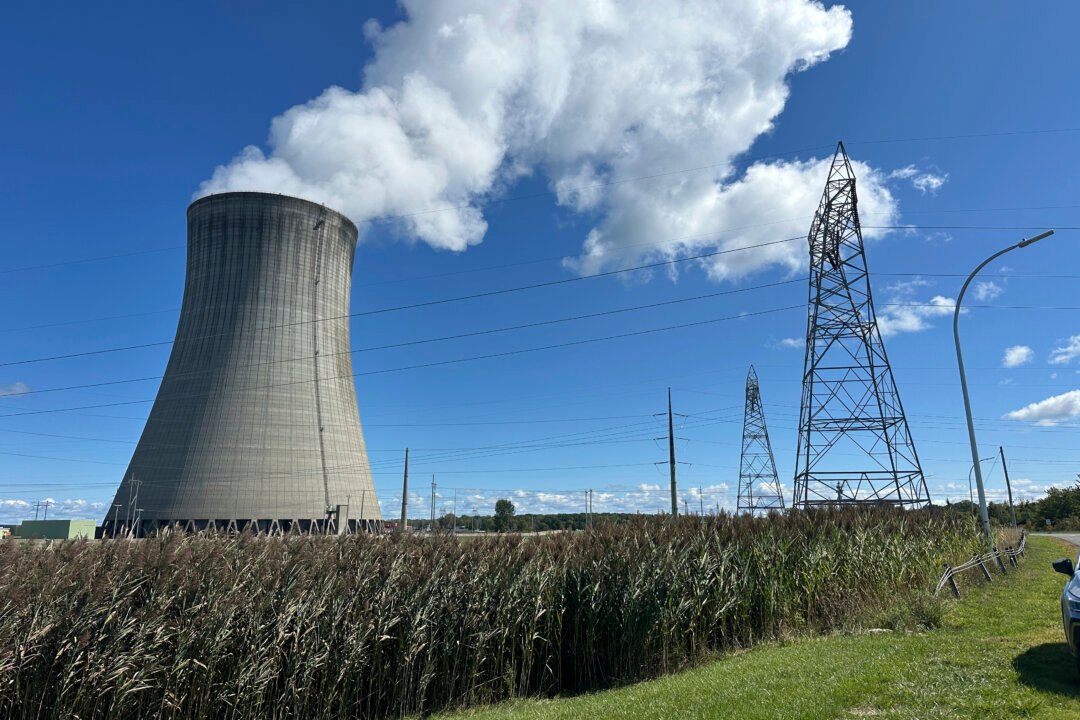
Nuclear power, in particular, appears to be receiving renewed federal attention under the revised structure. The elevation of nuclear-focused offices aligns with growing bipartisan recognition of nuclear energy’s role in providing carbon-free electricity while maintaining grid reliability – a capability that intermittent renewable sources currently struggle to match.
The fossil fuel sector, which faced regulatory headwinds during the Biden years, now finds itself with enhanced departmental support through newly prioritized offices dedicated to hydrocarbon development and deployment strategies.
These changes represent one of the most significant shifts in federal energy policy direction in recent memory, effectively reversing the previous administration’s regulatory framework that favored renewable energy development over conventional sources.
As the Energy Department implements these structural changes, industry stakeholders across the energy spectrum are closely monitoring how the reorganization will impact everything from research funding allocations to regulatory approval processes for new energy projects.
The timing of this announcement underscores the administration’s urgency in reshaping America’s energy landscape according to its vision of energy dominance through domestic nuclear and fossil fuel production, while stepping back from the renewable energy transition that defined federal policy over the past four years.