





































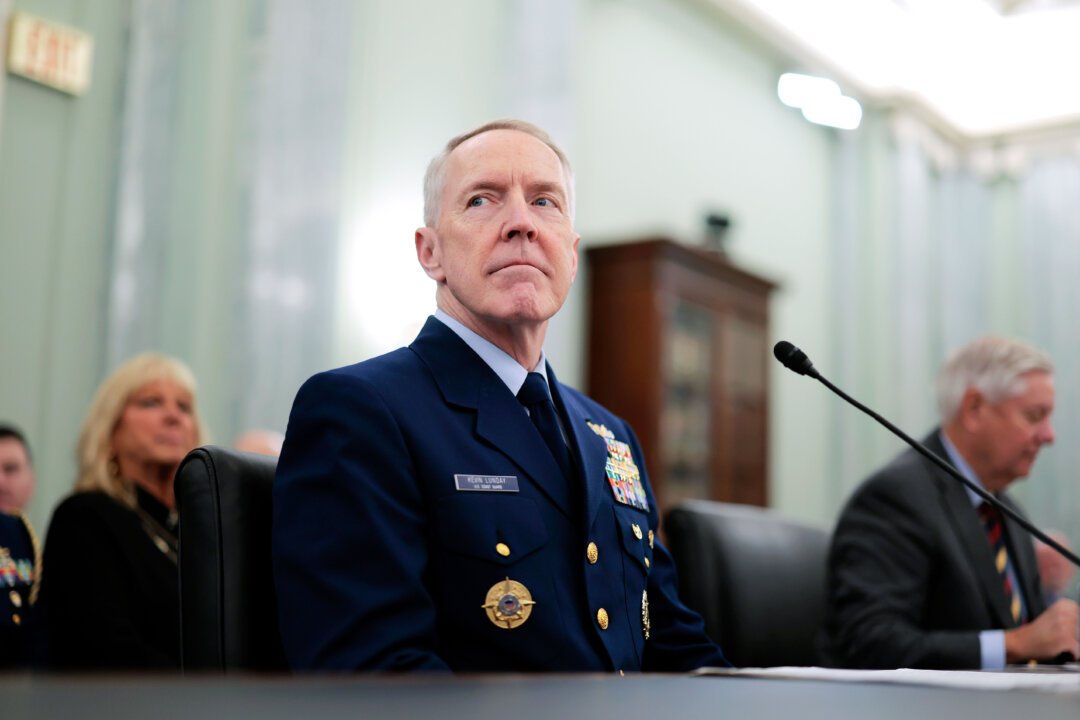
The United States Coast Guard has issued an unequivocal ban on swastikas, nooses, and other hate symbols within its ranks, clarifying its position just one day after publishing a controversial document that left removal decisions to individual commanders.

Acting Coast Guard Commandant Admiral Kevin Lunday delivered the decisive ruling in a memorandum dated November 20, 2025, marking a swift reversal from the agency’s previous ambiguous stance on divisive symbols.
“Divisive or hate symbols and flags are prohibited. These symbols and flags include, but are not limited to, the following: a noose, a swastika, and any symbols or flags co-opted or adopted by hate-based groups as representations of supremacy, racial or religious intolerance, anti-semitism, or any other improper bias,” Admiral Lunday stated in the official directive.
The clarification comes after the Coast Guard faced scrutiny for initially categorizing these symbols as merely “potentially divisive” rather than explicitly banned materials. The original guidance had placed the burden of decision-making on local leadership, creating uncertainty about the service’s official position on hate symbols.
Admiral Lunday emphasized the Coast Guard’s dedication to maintaining appropriate workplace standards across all facilities and vessels. He reinforced that the Coast Guard remains committed to “fostering a safe, respectful and professional workplace” for all personnel.
The revised policy represents a significant shift in how the military service branch addresses symbols associated with hate groups and extremist ideologies. By explicitly naming swastikas and nooses alongside other supremacist imagery, the Coast Guard has aligned itself with stricter military standards regarding divisive content.
This policy update affects all Coast Guard installations, vessels, and personnel nationwide. The comprehensive ban extends beyond the specifically mentioned symbols to include any imagery that has been appropriated by hate-based organizations to promote intolerance or bias.
The rapid policy revision demonstrates the Coast Guard’s responsiveness to public concern and internal feedback regarding workplace inclusivity. Military branches across the Department of Defense have increasingly focused on eliminating extremist symbolism from their ranks in recent years.
Admiral Lunday’s directive establishes clear boundaries for acceptable displays within Coast Guard facilities, removing previous ambiguity that had allowed for varying interpretations at different command levels. The policy ensures uniform application of anti-hate symbol regulations across the entire service branch.