





































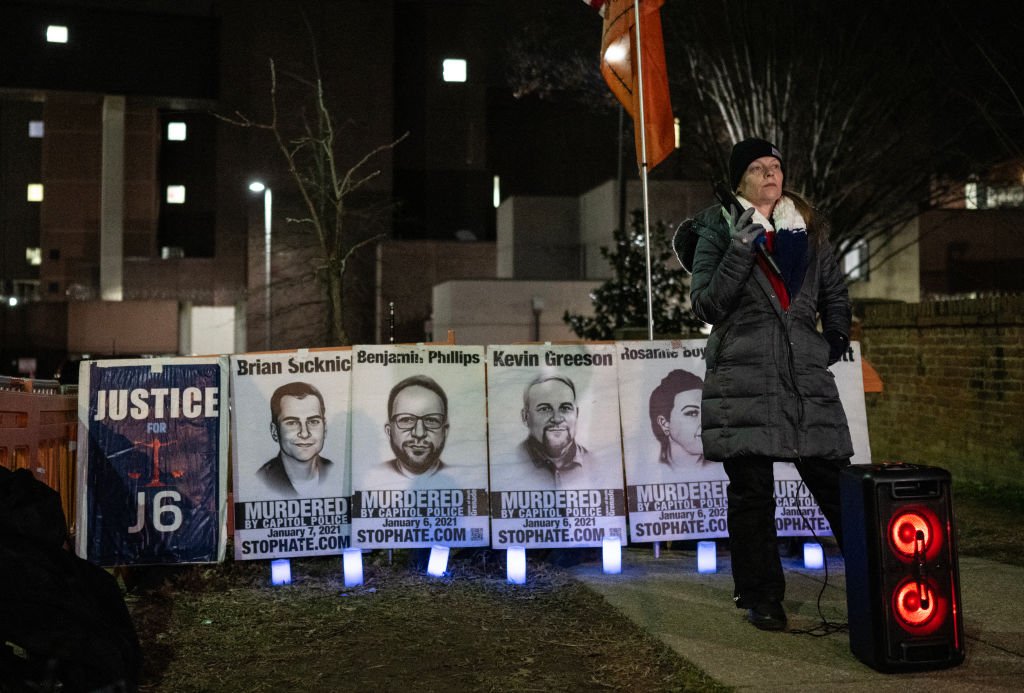
A powerful new literary work has emerged during one of America’s most contentious political periods, offering an unflinching examination of what its author describes as systematic persecution within the U.S. justice system. “The American Gulag Chronicles: The Road to Freedom” by Tim Rivers represents the culminating volume in a trilogy that has captured national attention for its stark portrayal of constitutional violations and judicial disparities.

Released as fresh evidence continues to reshape public understanding of January 6th events, this final installment serves as what many consider a crucial historical document. The work draws deliberate parallels to some of history’s most significant dissident literature, including Aleksandr Solzhenitsyn’s groundbreaking “The Gulag Archipelago” and Václav Havel’s influential political essays that challenged authoritarian rule.
Rivers’ chronicle builds upon the foundation established in his previous two volumes, “Letters From Prison” and “The Art of Confinement,” both published in 2024. These earlier works documented what the author characterized as unprecedented weaponization of legal institutions against ordinary American citizens, detailing accounts of harsh confinement conditions and troubling judicial inconsistencies.
The trilogy has resonated particularly strongly among those who view recent prosecutions as politically motivated overreach. Like the underground Samizdat publications that circulated among Soviet dissidents, Rivers’ work has found its audience among Americans who believe they are witnessing the erosion of fundamental constitutional protections.
The timing of this final volume proves especially significant, arriving as public discourse around January 6th prosecutions continues to evolve. New evidence and changing political dynamics have prompted renewed scrutiny of how justice has been administered in these cases, lending additional weight to Rivers’ documentation efforts.
Throughout the series, Rivers has maintained that his work represents more than mere political commentary—it stands as a testament to resilience in the face of what he perceives as systematic oppression. The author positions his chronicles as essential reading for understanding a pivotal moment in American history when the balance between security and liberty faced unprecedented testing.
Critics and supporters alike acknowledge the trilogy’s potential historical significance, regardless of their political perspectives. The work joins a growing body of literature examining the intersection of politics and justice in contemporary America, offering future historians a detailed contemporaneous account of events as they unfolded.
For readers seeking to understand the full scope of Rivers’ argument, “The Road to Freedom” provides the capstone to a comprehensive examination of what the author views as America’s darkest judicial chapter. The book continues to generate discussion about the proper limits of prosecutorial power and the protection of civil liberties during times of national tension.
As America grapples with questions about justice, political persecution, and constitutional rights, Rivers’ completed trilogy stands as a provocative contribution to ongoing national conversations about the direction of American democracy and the rule of law.