







































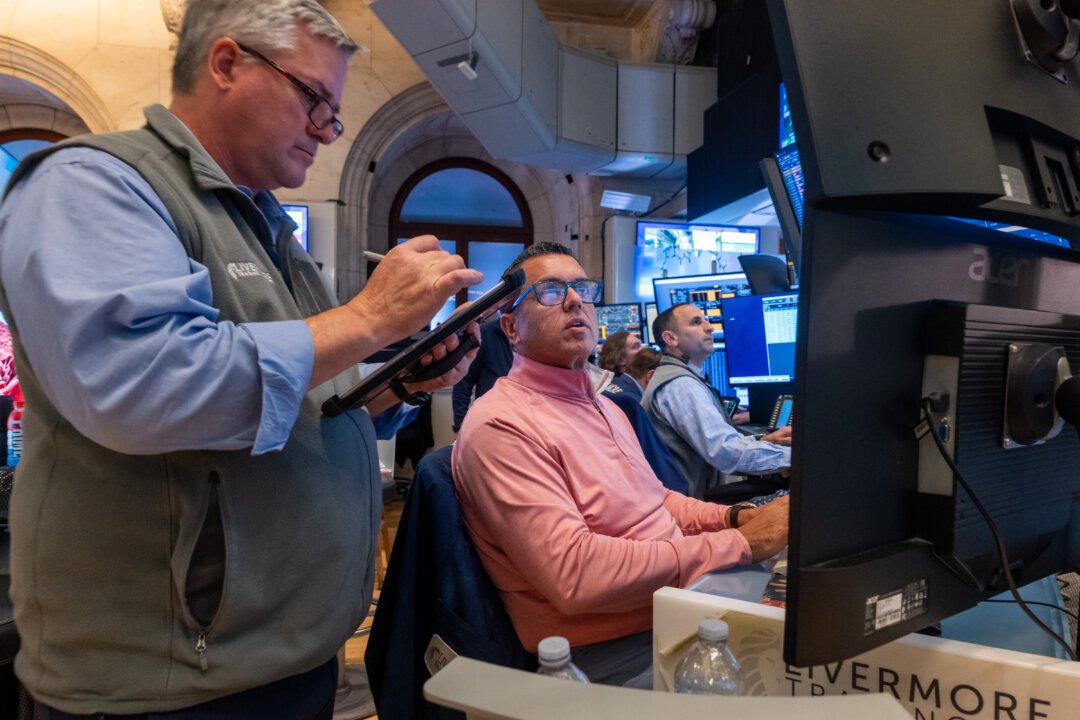
Wall Street endured another bruising week of trading as investor jitters over artificial intelligence stock valuations, mixed signals from the retail sector, and lingering questions about Federal Reserve policy direction combined to create a perfect storm of market uncertainty.

The carnage was widespread across major indices, with technology stocks bearing the brunt of the selloff. The Nasdaq Composite posted the steepest decline, plummeting 2.74 percent as investors questioned whether AI-related companies could justify their lofty price tags.
The blue-chip Dow Jones Industrial Average shed 1.91 percent to close the week at 46,245, while the broader S&P 500 fell 1.95 percent to finish at 6,602 despite mounting a modest recovery during Thursday’s trading session on November 21. Even small-cap stocks couldn’t escape the downdraft, with the Russell 2000 declining 0.78 percent.
Market participants found themselves caught between competing narratives as the week unfolded. On one hand, the artificial intelligence revolution continues to promise transformative changes across industries. On the other, growing concerns about stretched valuations in the AI sector have prompted investors to reassess their risk appetite, particularly with chip giant Nvidia’s highly anticipated earnings report looming on the horizon.
The retail landscape added another layer of complexity to market sentiment, as companies delivered a patchwork of quarterly results that painted an inconsistent picture of consumer spending patterns. This mixed bag of corporate performance reports left traders struggling to gauge the true health of the American economy heading into the crucial holiday shopping season.
Compounding these sector-specific worries, investors continued to grapple with uncertainty surrounding the Federal Reserve’s monetary policy trajectory. With inflation data showing persistent stickiness and employment markets displaying resilience, market participants remain divided on the central bank’s next moves, creating an environment where every economic data point is scrutinized for clues about future interest rate decisions.
The week’s volatility underscores the delicate balance financial markets are attempting to strike between technological optimism and valuation reality. As earnings season progresses and economic indicators continue to emerge, investors will be watching closely to see whether this latest selloff represents a healthy correction or the beginning of a more significant market adjustment.
The turbulence serves as a reminder that even in an era of rapid technological advancement and innovation, traditional market forces of supply, demand, and investor psychology continue to drive price action on Wall Street. As the trading week concluded, market participants were left to ponder whether the current volatility signals growing pains in an evolving economy or warning signs of more substantial challenges ahead.