





































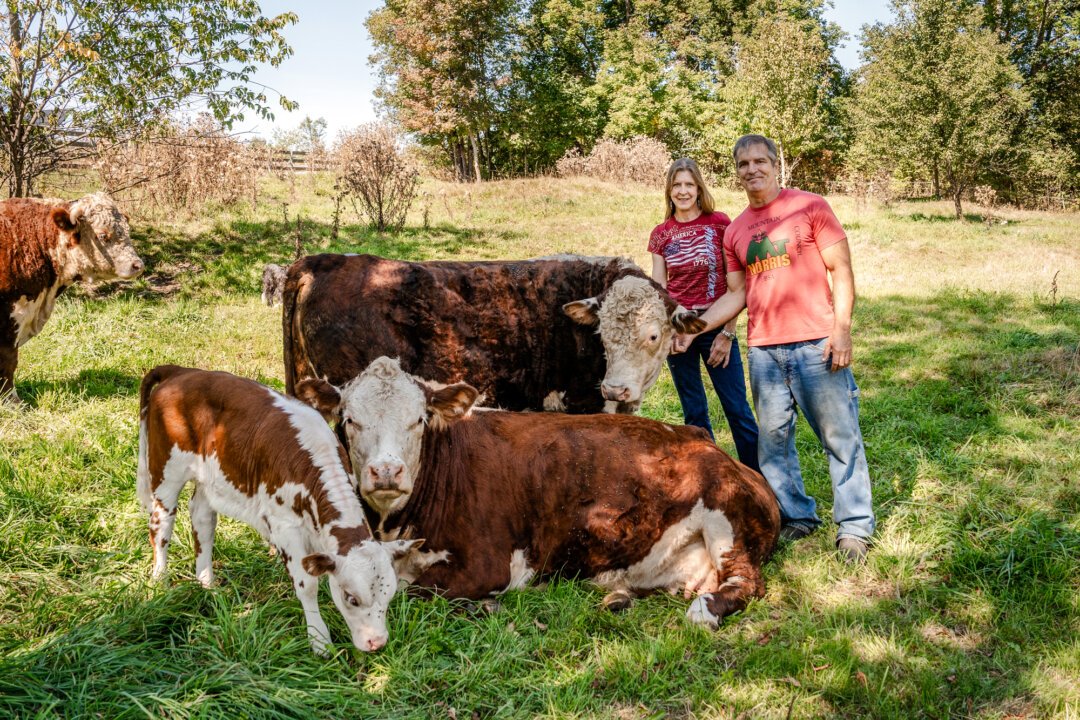
In the rolling Green Mountains of Vermont, where morning mist clings to ancient pastures and stone walls tell stories of centuries past, the Klar family had worked the land for six generations. Yet John Klar, heir to this agricultural legacy, had never touched a hay bale or tended to livestock.

Life had taken him down a different path—one lined with law books and courtroom battles rather than furrows and feeding troughs. For years, Klar built his career in the legal profession, seemingly worlds away from the farming traditions that had sustained his ancestors in Brookfield, Vermont.
But sometimes life has a way of calling us back to our roots.
In the late 1990s, chronic illness became an unexpected catalyst for profound change. The demands of corporate law practice, with its relentless pace and urban pressures, no longer seemed sustainable or fulfilling. Faced with health challenges that forced him to reevaluate his priorities, Klar made a decision that would have made his farming forebears proud.
He walked away from his law firm.
Together with his wife and children, Klar embarked on a journey back to the countryside that had shaped his family’s identity for generations. It wasn’t just a change of address—it was a complete transformation of lifestyle, values, and purpose.
The family purchased a working farm, breathing new life into the agricultural tradition that had defined the Klar name for more than a century. What began as a health-driven escape from corporate life evolved into something far more meaningful: the restoration of a family legacy and a return to the land that had always been in their blood.
This dramatic career shift from courtroom to countryside represents more than just one man’s personal journey. It reflects a growing movement of professionals seeking authentic connections to the land, sustainable lifestyles, and work that feeds both body and soul rather than just bank accounts.
For Klar, picking up where his ancestors left off meant learning skills that should have been birthright knowledge—the art of baling hay, the science of animal husbandry, and the countless daily rhythms that define farm life. Despite never having worked the land himself, the genetic memory of six generations of Vermont farmers would guide him through this remarkable transformation.