





































After weeks of silence due to the federal government shutdown, NASA officials finally broke their silence on November 19th to address mounting speculation surrounding a mysterious celestial visitor that captured global attention when it swept through our solar system this past July.

The space agency’s first public briefing since operations resumed focused entirely on the enigmatic object designated as 3I/Atlas, which had sparked intense debate and wild theories across social media platforms and scientific communities worldwide during NASA’s enforced silence.
Associate Administrator Amit Kshatriya wasted no time cutting through the speculation during the livestreamed press conference, delivering a clear and definitive statement about the object’s true nature.
“We want to be absolutely clear about what 3I/Atlas is,” Kshatriya stated firmly. “This is an interstellar comet, pure and simple. Nothing more, nothing less.”
The timing of the announcement proved crucial, as conspiracy theories and unfounded claims about the object had proliferated during NASA’s communication blackout. The space agency’s inability to provide regular updates or respond to public inquiries during the shutdown had created an information vacuum that speculation quickly filled.
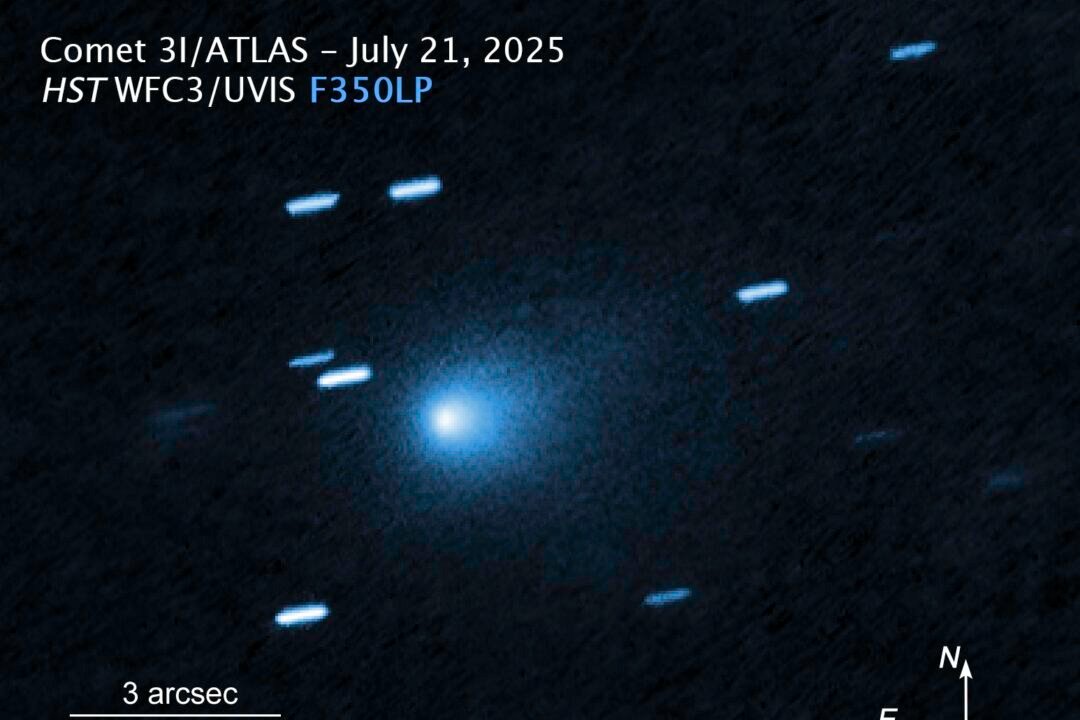
The Hubble Space Telescope’s Wide Field Camera captured stunning imagery of the interstellar visitor on July 21, 2025, providing scientists with valuable data about this rare cosmic phenomenon. Interstellar objects like 3I/Atlas are exceptionally uncommon visitors to our solar system, making each detection a significant scientific opportunity.
The comet’s journey from the depths of interstellar space represents only the third confirmed interstellar object ever detected passing through our solar system. Such visitors offer scientists unprecedented glimpses into the composition and characteristics of materials formed in distant stellar systems, potentially billions of years ago.
NASA’s prompt action to address public concerns demonstrates the agency’s commitment to transparency, even as it works to catch up on communications delayed by the government shutdown. The briefing marked a return to normal operations for the space agency’s public outreach efforts.
The confirmation of 3I/Atlas as a natural celestial object rather than something more exotic will likely disappoint conspiracy theorists but provides scientists with exciting research opportunities. Interstellar comets carry pristine materials from their parent star systems, offering unique insights into planetary formation processes throughout the galaxy.
As NASA continues its analysis of the data collected during 3I/Atlas’s passage through our solar system, researchers expect to publish detailed findings about the comet’s composition, trajectory, and origin in the coming months.