






































That morning cup of hot cocoa could be doing far more than satisfying your taste buds—emerging research suggests it might be your secret weapon against heart disease and the dangerous inflammation that fuels it.

A groundbreaking new study has uncovered compelling evidence that daily cocoa consumption can dramatically reduce inflammation levels by an astounding 70 percent, offering fresh insights into why dark chocolate has long been associated with longevity and better health outcomes.
The findings arrive at a crucial time, as medical researchers continue to unravel the complex relationship between chronic inflammation and aging. As we age, our bodies naturally experience increased inflammatory responses, creating a perfect storm that elevates our risk of developing serious chronic diseases and premature death.
This inflammatory cascade, often dubbed “inflammaging” by scientists, has been identified as a key driver behind numerous age-related conditions, including cardiovascular disease, diabetes, and neurodegenerative disorders. The discovery that a simple, enjoyable daily habit could potentially interrupt this destructive process represents a significant breakthrough in preventive medicine.
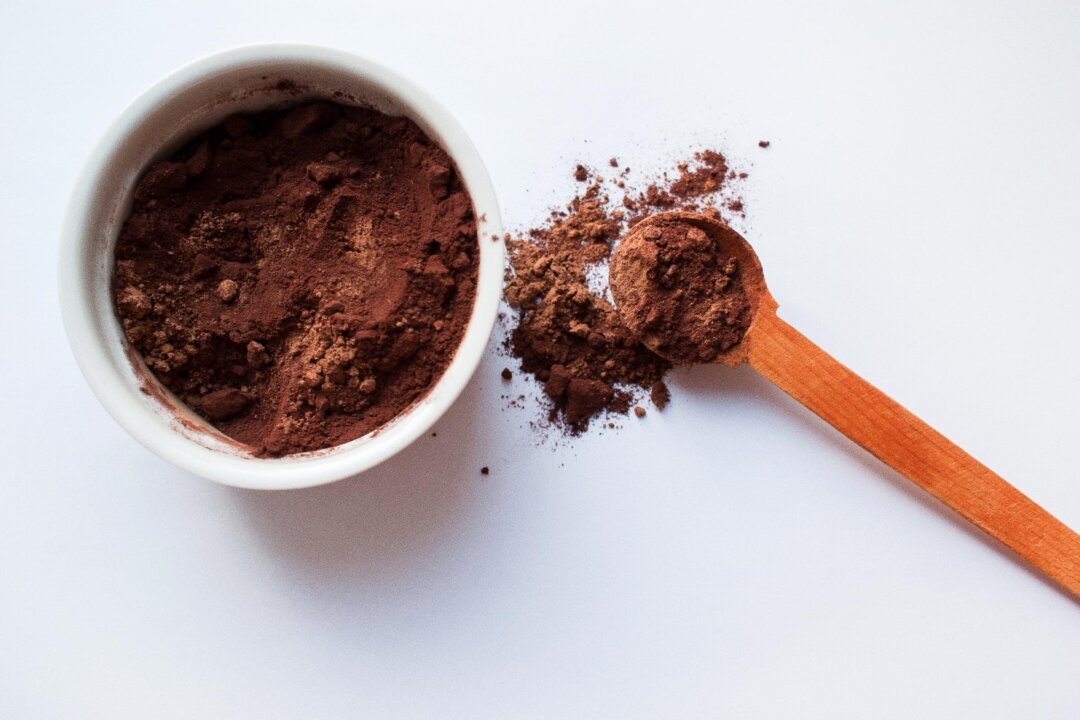
The research team’s findings suggest that the bioactive compounds found in cocoa—particularly flavonoids and polyphenols—may work synergistically to combat inflammation at the cellular level. These powerful antioxidants appear to neutralize harmful free radicals while simultaneously supporting the body’s natural anti-inflammatory pathways.
What makes this study particularly compelling is the magnitude of the inflammatory reduction observed. A 70 percent decrease in inflammation markers represents a clinically significant improvement that could translate into meaningful health benefits for millions of people worldwide.
The implications extend beyond individual health choices, potentially reshaping how medical professionals approach inflammation management and cardiovascular disease prevention. Rather than relying solely on pharmaceutical interventions, this research opens the door to evidence-based dietary strategies that could complement traditional treatment approaches.
For consumers, the study validates what chocolate lovers have long hoped—that their favorite indulgence might actually contribute to better health outcomes. However, researchers emphasize the importance of choosing high-quality dark chocolate with minimal added sugars and processing to maximize these potential benefits.
The research also highlights the broader significance of dietary polyphenols in human health. Cocoa joins a growing list of foods—including berries, green tea, and olive oil—that contain these powerful plant compounds capable of modulating inflammatory responses and supporting longevity.
As scientists continue to investigate the mechanisms behind cocoa’s anti-inflammatory properties, this study provides a solid foundation for understanding how simple dietary modifications could play a pivotal role in healthy aging and disease prevention strategies.