





































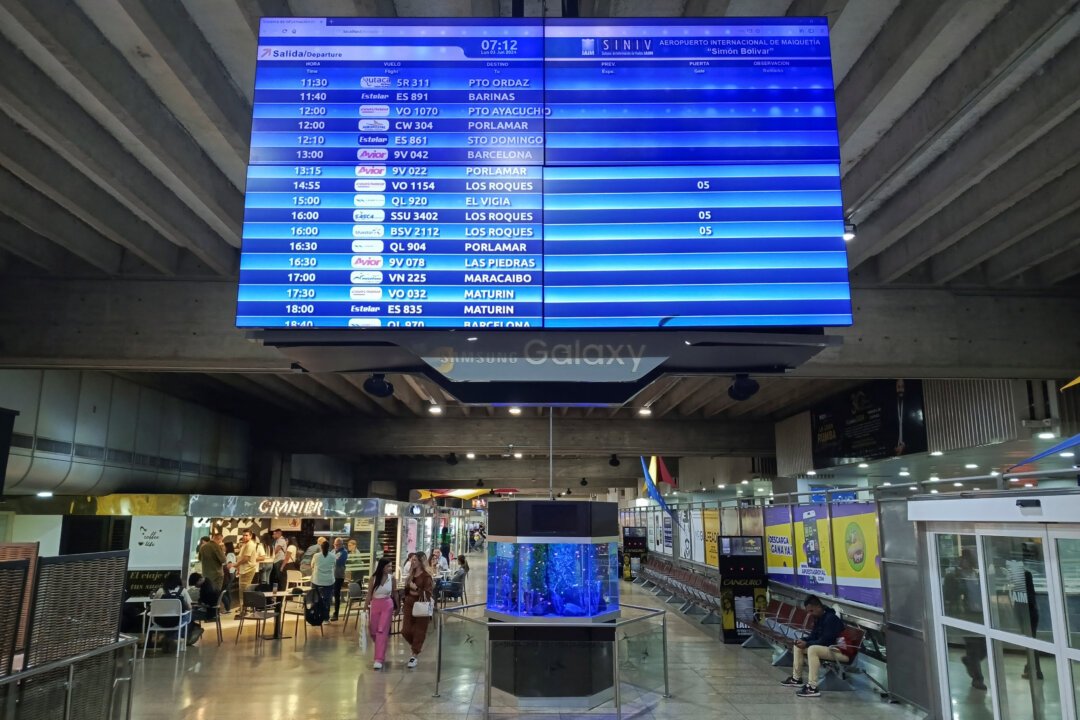
A cascade of flight cancellations has disrupted air travel to and from Venezuela as major international carriers suspended operations following a stark safety warning from U.S. aviation authorities about potentially dangerous conditions in the South American nation’s airspace.

The Federal Aviation Administration issued the advisory on November 21, flagging a “potentially hazardous situation” for aircraft flying over Venezuela’s Maiquetía region. The warning, which remains in effect for 90 days, has prompted swift action from airlines worldwide seeking to protect passenger safety.
The impact has been immediate and far-reaching. Six prominent carriers—TAP Air Portugal, LATAM, Avianca, Iberia, Gol, and Caribbean Airlines—have implemented indefinite flight suspensions to Venezuelan destinations, according to Marisela de Loaiza, president of the Airlines Association in Venezuela, who spoke with The Associated Press.
Turkish Airlines has taken a more measured approach, temporarily halting its Venezuelan services from November 24 through November 28, suggesting the carrier may be evaluating conditions on a shorter-term basis before making longer-term decisions.
The Maiquetía region, where the warning is focused, serves as a critical aviation corridor for Venezuela. The area houses Simón Bolívar International Airport, the country’s primary gateway for international travel, making the FAA’s advisory particularly disruptive to the nation’s connectivity with the global aviation network.
This development adds another layer of complexity to Venezuela’s ongoing challenges in maintaining reliable international air service. The country has faced various operational difficulties in recent years, including infrastructure concerns and regulatory issues that have periodically affected airline operations.
The 90-day duration of the FAA warning suggests U.S. authorities view the safety concerns as potentially long-lasting rather than temporary. Such extended advisories typically indicate serious underlying issues that require substantial time to assess and resolve.
For travelers with planned trips to Venezuela, the mass cancellations create significant disruption during what is traditionally a busy period for international travel. Passengers are advised to contact their airlines directly for rebooking options and updated flight information.
The aviation industry closely monitors such FAA warnings, as they often serve as benchmarks for international safety standards. When the U.S. aviation authority issues advisories about specific regions, airlines from other countries frequently follow suit to maintain consistent safety protocols across their global operations.
As the situation develops over the coming days and weeks, industry observers will be watching to see whether additional carriers join the suspension list or if any airlines choose to resume operations despite the ongoing advisory.