







































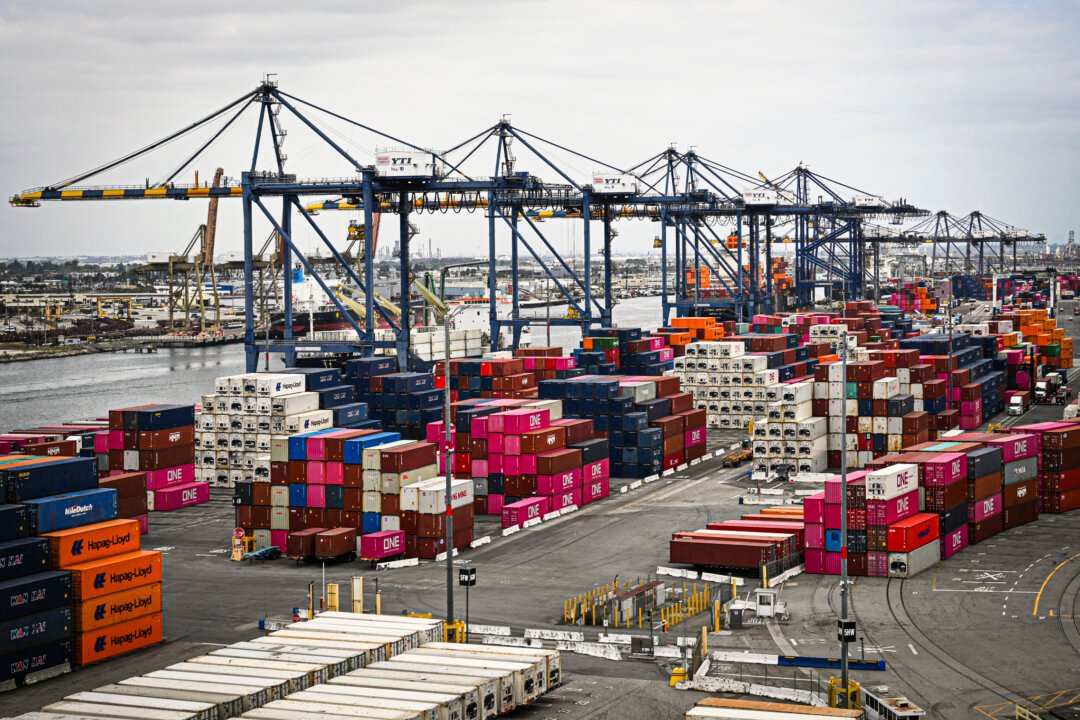
President Donald Trump announced over the weekend that tariff revenues are set to dramatically increase as international buyers work through their stockpiles of duty-free goods, paving the way for what he characterized as unprecedented revenue streams flowing into the U.S. Treasury.

In a November 23 post on his Truth Social platform, Trump explained that foreign importers had strategically accumulated massive inventories of goods prior to tariff implementation, effectively postponing their duty obligations. This front-loading strategy, according to the president, has temporarily delayed the full financial impact of his comprehensive global tariff system.
The revelation sheds light on a common practice among international traders who typically rush to import goods ahead of anticipated tariff increases, creating artificial spikes in import volumes followed by corresponding dips as companies work through their accumulated inventory.
Trump’s tariff policy has been a cornerstone of his economic strategy, designed to protect American industries while generating substantial government revenue. The president has consistently argued that these trade measures will strengthen national security while boosting America’s economic prosperity.
As these pre-tariff stockpiles become exhausted, importers will face the full burden of the new trade policies, potentially leading to the record-setting Treasury inflows that Trump has predicted. This transition period represents a critical juncture for both domestic manufacturers and international trading partners as they adapt to the new economic landscape.
The timing of this revenue surge could have significant implications for federal budget planning and trade negotiations, as the administration continues to leverage tariff policy as both an economic tool and diplomatic instrument in its dealings with trading partners worldwide.
Industry analysts have been closely monitoring import patterns and inventory levels across various sectors to gauge when this anticipated revenue increase might materialize, with many expecting the effects to become more pronounced in the coming months as stockpiles continue to diminish.