







































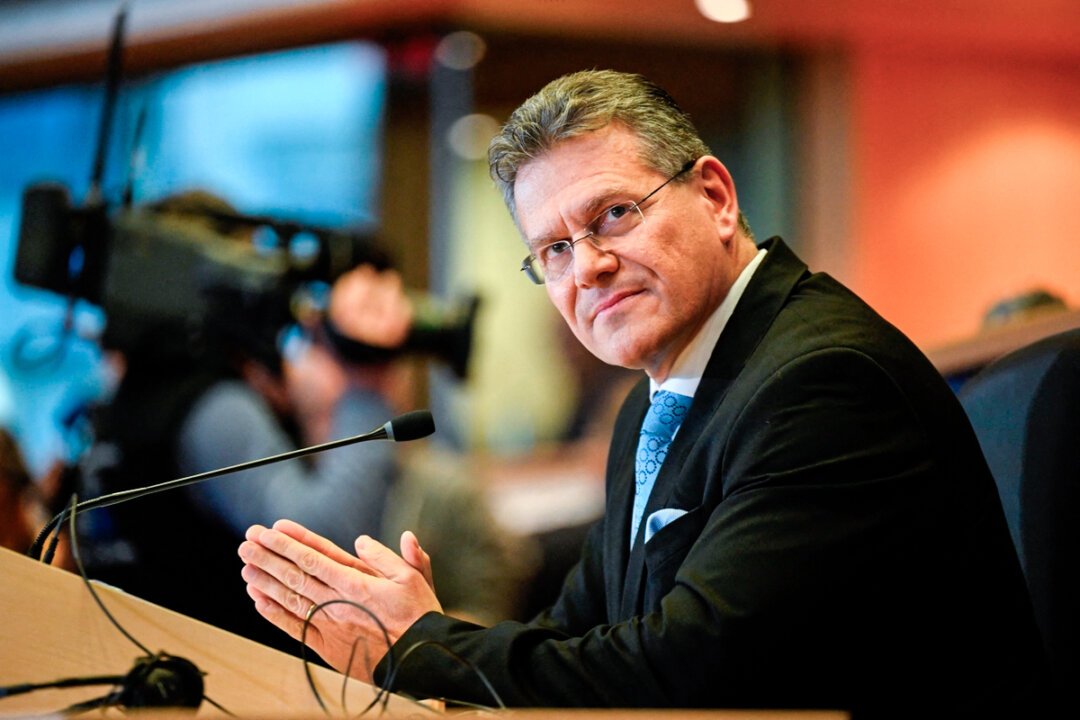
High-level trade discussions between the European Union and United States have failed to produce any breakthrough on steel tariffs, with EU officials tempering expectations for immediate relief from punitive trade measures that have strained transatlantic commerce for years.

European Commissioner for Trade Maros Sefcovic delivered the sobering assessment on November 24, following a series of meetings with senior American trade officials in Brussels. The talks, which included sessions with U.S. Trade Representative Jamieson Greer on Sunday and Commerce Secretary Howard Lutnick on Monday morning, were characterized by Sefcovic as a review of current bilateral ties rather than active negotiations.
The meetings come against the backdrop of ongoing trade tensions that have persisted despite previous agreements between the two economic powerhouses. Under the current U.S.-EU trade arrangement established during the summer, 50 percent of American steel tariffs remain in place, continuing to impact European steel exporters and broader trade relationships.
Speaking to reporters after the conclusion of the initial rounds of talks, Sefcovic made clear that the EU entered the discussions with realistic expectations. The European approach appears focused on maintaining dialogue while acknowledging the complex political and economic factors that influence American trade policy.
The persistence of these steel tariffs represents a significant challenge for EU-US commercial relations, particularly as both sides navigate broader geopolitical tensions and domestic economic pressures. The tariffs have been a contentious issue since their implementation, with European officials arguing they distort fair competition and harm established trading partnerships.
The timing of these discussions is particularly noteworthy, as both the EU and US face evolving trade landscapes influenced by global supply chain disruptions, competition from other major economies, and shifting domestic political priorities. The steel industry, in particular, has become a focal point for discussions about national security, economic sovereignty, and fair trade practices.
While no immediate resolution appears forthcoming, the continued dialogue between senior officials suggests both sides recognize the importance of maintaining communication channels on trade issues. The meetings in Brussels represent part of ongoing diplomatic efforts to address longstanding commercial disputes while preserving broader strategic partnerships.
For European steel producers and related industries, the lack of progress means continued uncertainty about market access and competitive conditions in the crucial American market. The 50 percent tariff structure continues to create significant barriers for EU exporters seeking to compete effectively with domestic American producers.
As trade relations between the world’s largest economies continue to evolve, these Brussels discussions highlight the complex interplay between economic policy, diplomatic relations, and domestic political considerations that shape international commerce in an increasingly interconnected global marketplace.