




































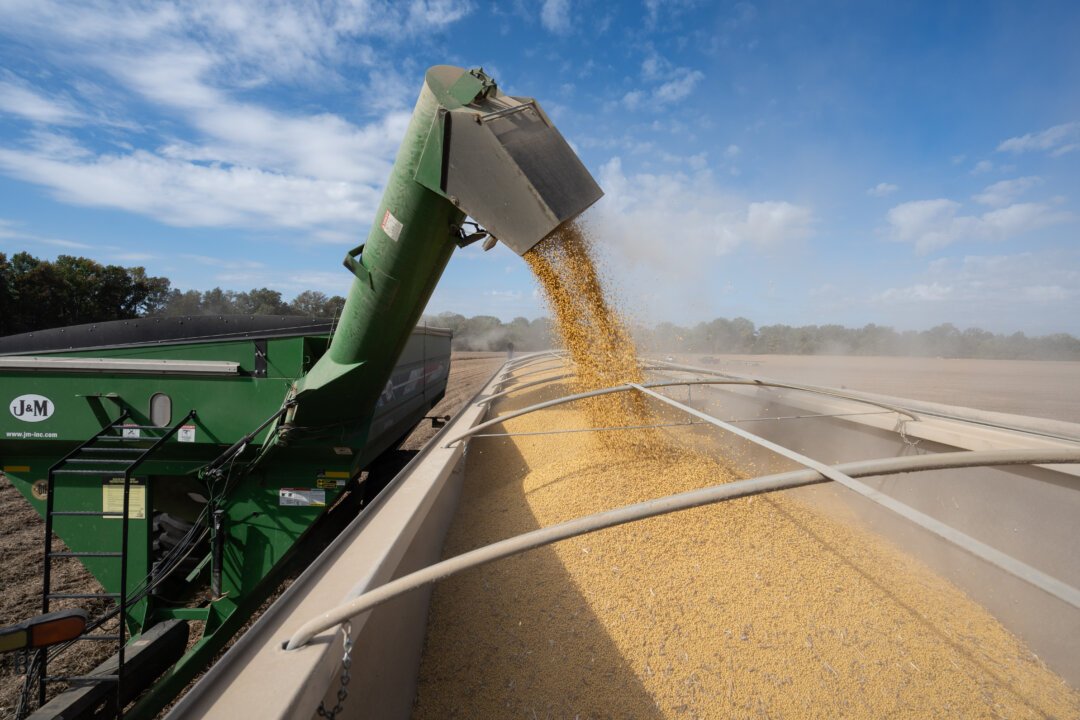
American farmers devastated by massive losses in the soybean trade war may soon receive relief, as the Trump administration prepares to unveil a comprehensive aid package within the coming weeks while simultaneously working to finalize a landmark agreement with China on soybean purchases.

Agriculture Secretary Brooke Rollins announced the dual initiative Monday during an interview with CNBC, signaling the administration’s urgent response to what has become a financial crisis for many U.S. agricultural producers.
“We’ll have an announcement probably in the next week or two on what that’s going to look like,” Rollins told the network, referring to the forthcoming aid package that could provide crucial financial lifelines to farmers across the nation.
The announcement comes as American soybean growers face their most challenging period in recent memory, having lost billions of dollars in sales throughout this year. The dramatic revenue collapse stems from China’s strategic pivot away from U.S. agricultural imports, with the world’s second-largest economy instead directing its massive purchasing power toward South American suppliers, particularly Brazil and Argentina.
This shift in global trade patterns has left American farmers bearing the brunt of escalating tensions between Washington and Beijing, transforming agricultural communities that once thrived on Chinese demand into casualties of broader geopolitical conflicts.
The timing of Rollins’ announcement suggests the Trump administration recognizes the urgency of addressing what has become both an economic and political challenge. Agricultural states that form a crucial part of the Republican electoral base have watched their livelihoods evaporate as traditional export markets disappeared virtually overnight.
While specific details of the aid package remain under wraps, the agriculture secretary’s comments indicate that the administration is moving beyond emergency financial assistance toward a more comprehensive solution that includes restoring trade relationships with China.
The potential soybean deal with China could mark a significant breakthrough in efforts to rebuild the agricultural trade relationship that once saw billions of dollars flow from Chinese buyers to American farmers. However, the success of any agreement will likely depend on broader diplomatic progress between the two nations.
For farmers who have struggled to maintain operations amid plummeting commodity prices and lost contracts, the promised aid package represents hope for immediate relief. Many agricultural producers have been forced to seek alternative financing, reduce planting, or in some cases, face the prospect of losing family farms that have operated for generations.
The administration’s dual approach of providing direct assistance while working to restore market access reflects the complex nature of the challenge facing American agriculture. Short-term aid can provide immediate relief, but long-term stability requires rebuilding the international trade relationships that sustained rural communities for decades.
As the agriculture sector awaits specific details of both the aid package and the China agreement, the announcements signal a recognition at the highest levels of government that American farmers cannot continue to serve as collateral damage in broader trade disputes.