





































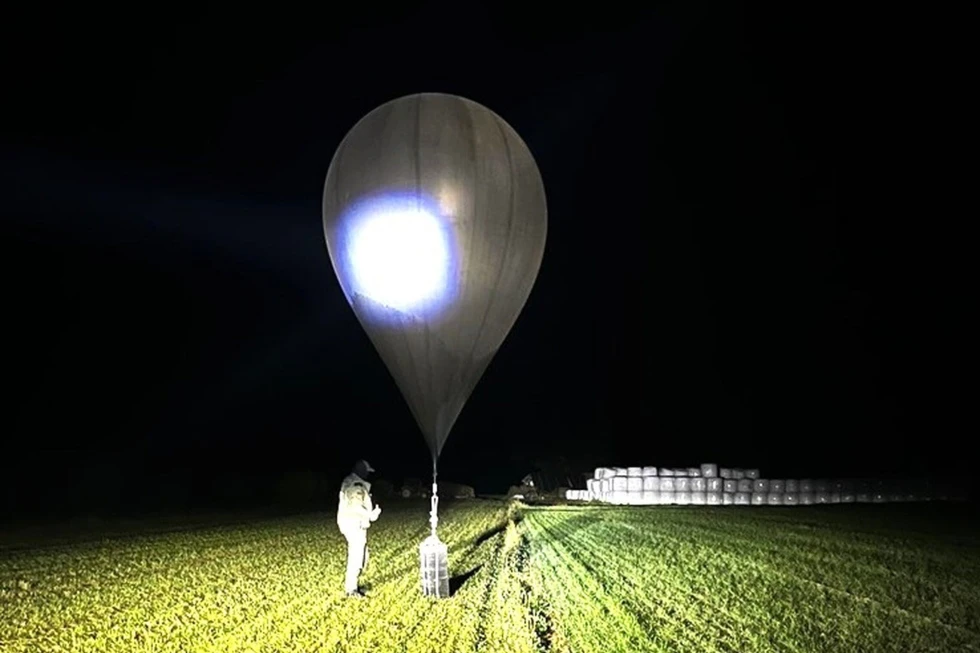
A wave of unexplained aerial intrusions continues to plague European airspace, with two major airports forced into temporary shutdowns over the weekend following separate drone and balloon sightings that have authorities scrambling for answers.

Lithuania’s bustling Vilnius Airport became the latest victim of these disruptive incursions on November 24, when officials were compelled to suspend all operations twice during overnight hours after detecting unauthorized balloons in their controlled airspace. The airport announced in an official statement that normal flight operations had resumed following the security protocols.
The incident marks another chapter in what has become a troubling pattern of airspace violations across Europe in recent months, raising serious questions about aviation security and the effectiveness of current detection systems.
Lithuanian authorities have previously pointed fingers at an unusual smuggling operation, claiming that criminal networks in neighboring Belarus have been deploying meteorological balloons as an innovative method to transport illicit cigarettes across international borders. This unconventional smuggling technique has caught border security officials off guard, as traditional detection methods struggle to distinguish between legitimate weather monitoring equipment and contraband-carrying devices.
The use of balloons for cross-border smuggling represents a significant evolution in criminal tactics, exploiting gaps in aerial surveillance systems that were primarily designed to detect conventional aircraft and more obvious security threats. These high-altitude smuggling operations have proven particularly challenging for law enforcement agencies, as the balloons can travel considerable distances while remaining largely undetected by standard radar systems.
The repeated airport closures highlight the vulnerability of Europe’s aviation infrastructure to relatively simple but effective disruption tactics. Even brief shutdowns can cause cascading delays throughout the continental air traffic network, affecting thousands of passengers and costing airlines millions in operational disruptions.
Aviation security experts warn that these incidents expose critical weaknesses in current airspace monitoring capabilities. The ability of unauthorized objects to penetrate controlled airspace around major airports raises concerns about potential terrorist applications and the need for enhanced detection technologies.
European Union aviation authorities are now under increasing pressure to develop comprehensive strategies to address these emerging threats. The challenge lies in creating systems capable of distinguishing between legitimate aerial activities and potential security risks without causing unnecessary disruptions to normal air traffic operations.
The economic impact of these closures extends beyond immediate operational costs, as repeated incidents could undermine passenger confidence and affect the competitiveness of affected airports. Airlines are increasingly demanding concrete action from authorities to prevent future disruptions and protect their investment in European routes.
As investigations continue into the source and intent of these aerial incursions, aviation officials across Europe are reviewing their security protocols and exploring new technologies that could provide better detection and response capabilities. The situation has become a test case for how the aviation industry adapts to evolving security challenges in an era of increasingly sophisticated and accessible aerial technologies.