






































Diplomatic tensions have erupted between Washington and Pretoria after the White House accused South Africa of “weaponizing” its Group of 20 leadership role following the adoption of a contentious climate declaration at last week’s summit in Johannesburg.

The controversy centers on the G20’s final declaration addressing climate change and other global challenges, which was formally adopted on November 23 despite fierce objections from the United States. White House spokeswoman Anna Kelly delivered a sharp rebuke, claiming South African President Cyril Ramaphosa was “refusing to facilitate a smooth transition of the G20 presidency.”
The diplomatic spat intensified when Ramaphosa’s spokesperson revealed to reporters on November 22 that the declaration had been drafted entirely without American input and “can’t be renegotiated.” This unprecedented move highlighted the deepening rift between South Africa’s government and the Trump administration, which took the extraordinary step of boycotting the entire summit.
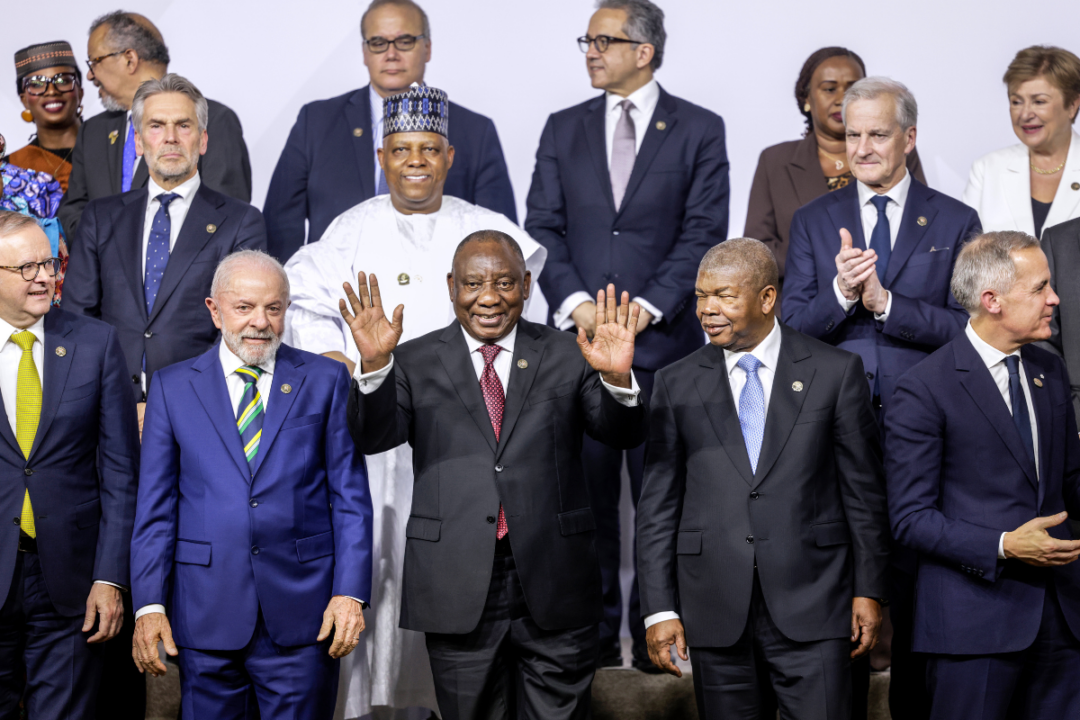
The November 22-23 gathering in Johannesburg brought together world leaders including Australian Prime Minister Anthony Albanese, Brazilian President Luiz Inácio Lula da Silva, Angolan President and African Union Chairperson João Lourenço, and Canadian Prime Minister Mark Carney. However, the conspicuous absence of U.S. representation cast a shadow over what is traditionally considered one of the world’s most important diplomatic forums.
South Africa’s approach to managing its G20 presidency has drawn criticism from Washington, with American officials suggesting that Pretoria deliberately excluded U.S. perspectives from key negotiations. The climate-focused declaration represents a significant departure from previous G20 statements, which typically require consensus among all member nations.
This diplomatic confrontation reflects broader strains in U.S.-South Africa relations under the current American administration. The Trump administration’s decision to completely boycott the summit marked an unprecedented break with decades of U.S. engagement in G20 proceedings, even during periods of policy disagreement.
The fallout from the Johannesburg summit could have lasting implications for future G20 cooperation, particularly as the presidency prepares to transition to the next host nation. The White House’s accusation that South Africa “weaponized” its leadership role suggests Washington views Pretoria’s actions as a deliberate attempt to marginalize American influence within the G20 framework.
As the international community grapples with pressing climate challenges and economic uncertainties, the public dispute between two major economies underscores the growing difficulties in achieving multilateral consensus on global issues. The controversy also highlights how geopolitical tensions can disrupt traditional diplomatic processes, potentially weakening the effectiveness of international forums designed to address shared global challenges.