





































International tourists planning to explore America’s treasured national parks will face significantly higher costs starting next year, following a major pricing restructuring announced by the Department of the Interior on November 25.

The new fee structure, which takes effect January 1, 2026, will maintain the current $80 annual pass price for U.S. residents while imposing a substantial increase for foreign visitors, who will now pay $250 for the same unlimited access privileges.
This represents more than a three-fold price differential between domestic and international visitors seeking to purchase the coveted annual parks pass, which grants unlimited entry to any of America’s national parks for a full year without additional charges.
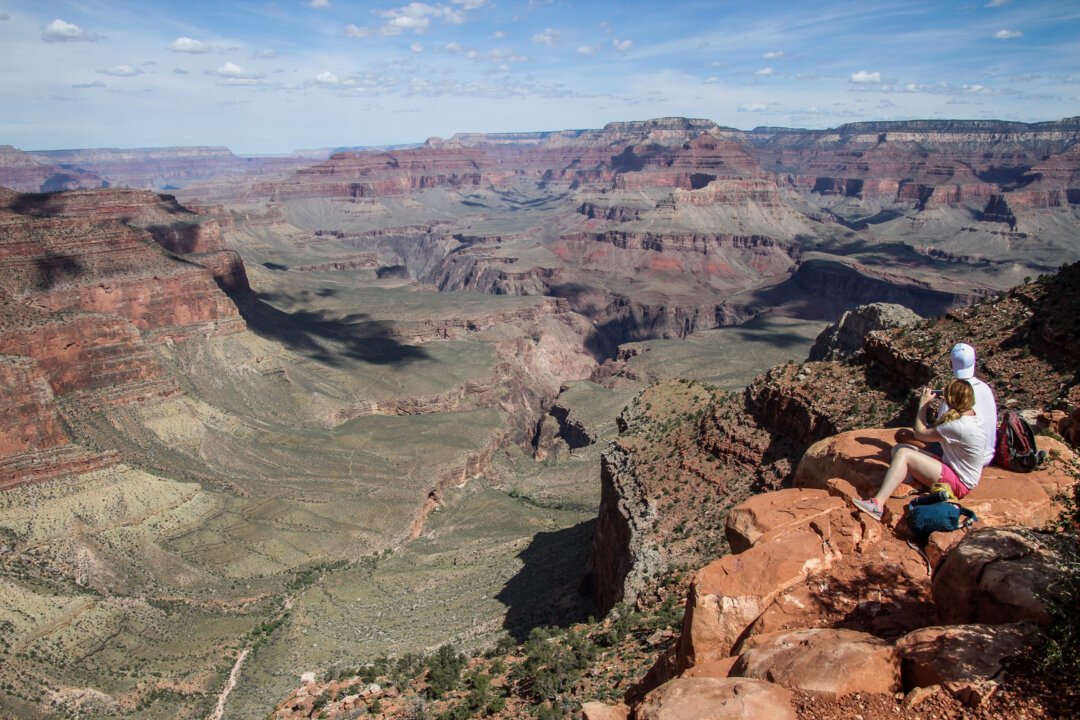
The pricing change affects one of the most popular ways tourists experience America’s natural wonders, from the towering cliffs of the Grand Canyon to the geysers of Yellowstone and the ancient sequoias of California’s national forests.
The Interior Department announced the updated fee structure through a revision to its official website, signaling a significant shift in how the federal government approaches funding for national park maintenance and operations.
This pricing adjustment comes as national parks have experienced record-breaking visitation numbers in recent years, with international tourism contributing substantially to park attendance. The increased revenue from foreign visitors is expected to help offset rising operational costs and infrastructure maintenance needs across the national park system.
The annual pass remains one of the most cost-effective ways for frequent park visitors to access multiple locations throughout the year, particularly for those planning to visit several parks during their stay in the United States.
Park officials have not yet released detailed information about how the pricing change might affect overall visitation patterns or whether similar adjustments will be made to daily entrance fees for individual parks.
The new fee structure reflects ongoing efforts by federal agencies to balance public access to national treasures with the financial resources needed to preserve and maintain these iconic American landscapes for future generations.