





































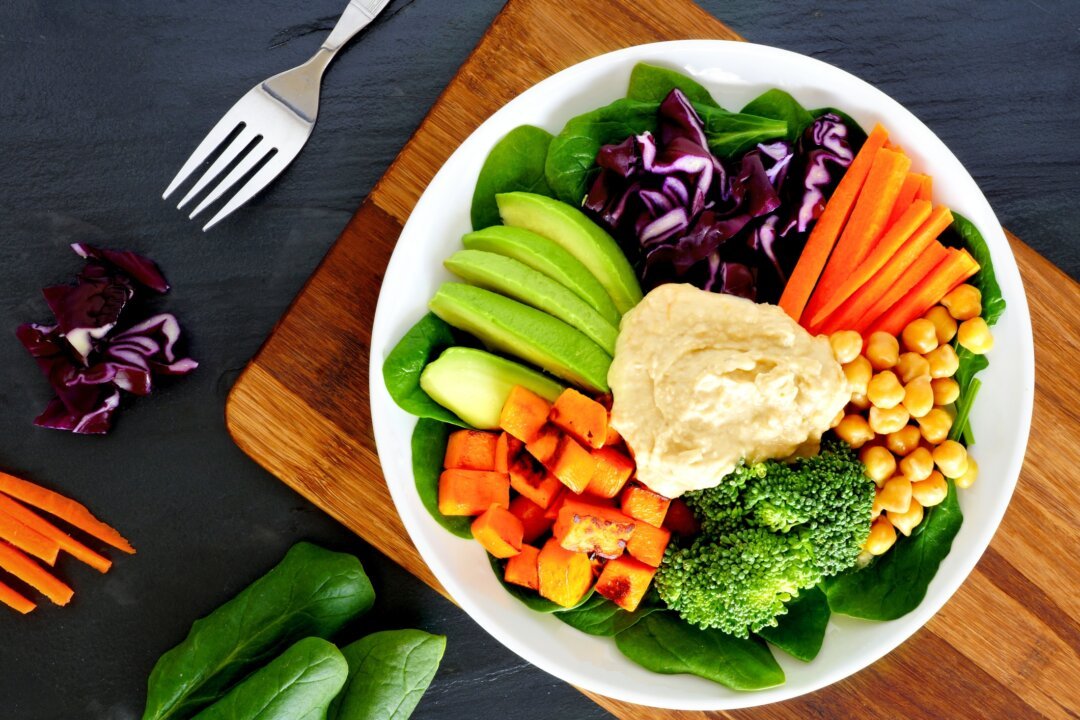
The surge in plant-based eating has created a widespread assumption that simply eliminating meat automatically transforms any diet into a nutritional powerhouse. Yet despite the mounting scientific evidence supporting vegetarian and vegan lifestyles, nutrition experts are sounding a crucial warning: meatless doesn’t always mean healthier.

Recent research has indeed demonstrated compelling connections between plant-rich diets and dramatically reduced cardiovascular disease risk. These findings have fueled an explosion in vegetarian and vegan adoption, with millions of Americans embracing what they believe to be a foolproof path to optimal health.
However, registered dietitian nutritionist Carrie Dennett, MPH, RDN, cautions against this oversimplified thinking. “With all the praise for plant-based diets, it’s easy to think that a vegan or vegetarian diet guarantees that your diet is healthful and nutritious. But does it?” she questions in her latest analysis for Environmental Nutrition.
The science behind plant-based diet benefits is indeed robust, but the devil lies in the details. Traditional whole-food plant diets typically deliver higher concentrations of essential vitamins, minerals, and disease-fighting phytonutrients, while simultaneously providing increased fiber and reduced saturated fat levels compared to typical Western eating patterns.
Yet this nutritional advantage isn’t automatically inherited simply by avoiding animal products. The modern food landscape offers countless processed vegetarian and vegan alternatives that can be just as nutritionally void – or even more problematic – than their meat-containing counterparts.
Consider the stark difference between a dinner of grilled vegetables, quinoa, and legumes versus one centered around highly processed plant-based burgers, refined pasta, and sugary desserts. Both qualify as vegetarian, but their health impacts couldn’t be more different.
The key distinction lies in food quality rather than dietary category. Ultra-processed plant foods often contain excessive sodium, added sugars, unhealthy fats, and artificial additives while stripping away the very nutrients that make whole plant foods so beneficial.
Nutrition experts emphasize that successful plant-based eating requires the same fundamental principles as any healthy diet: prioritizing whole, minimally processed foods while limiting refined and packaged alternatives. Simply removing meat without thoughtful meal planning can lead to nutrient deficiencies, particularly in vitamin B12, iron, zinc, and omega-3 fatty acids.
For those considering a shift toward plant-based eating, the message is clear: focus on the quality and variety of foods rather than strict dietary labels. A well-planned vegetarian or vegan diet can indeed offer remarkable health benefits, but the “well-planned” component remains non-negotiable for achieving optimal nutrition.
The bottom line? Whether your plate includes animal products or not, the foundation of healthy eating remains unchanged: emphasize whole foods, include plenty of vegetables and fruits, choose quality protein sources, and limit processed foods regardless of their plant-based credentials.