







































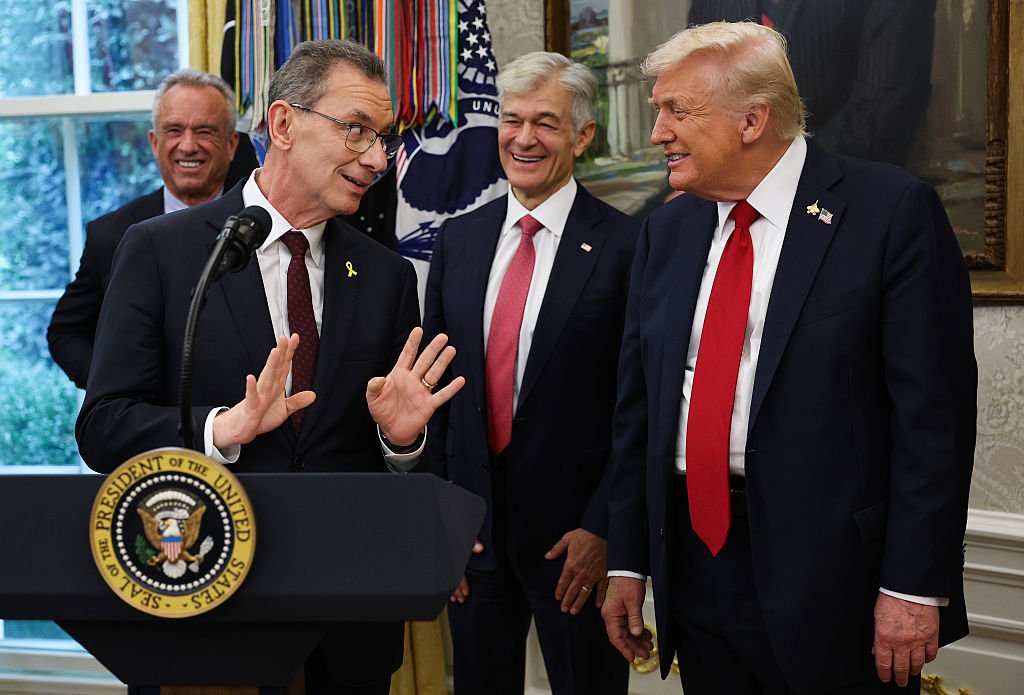
In a groundbreaking development for American healthcare, Medicare officials unveiled the results of unprecedented price negotiations on Monday, announcing dramatic cost reductions for 15 of the program’s most expensive prescription medications. The negotiations, which mark a historic shift in how the federal government approaches pharmaceutical pricing, are projected to deliver a staggering 36 percent price decrease and generate $12 billion in annual savings starting in 2027.

The announcement represents the culmination of a legislative battle that fundamentally altered the relationship between Medicare and pharmaceutical giants. For decades, federal law explicitly prohibited the Centers for Medicare & Medicaid Services from negotiating drug prices directly with manufacturers—a restriction that left millions of seniors and disabled Americans vulnerable to escalating prescription costs.
This regulatory landscape changed dramatically with the passage of the Biden administration’s 2022 Inflation Reduction Act, which dismantled these long-standing barriers and empowered CMS officials to engage in direct price negotiations. The legislation marked one of the most significant healthcare policy shifts in recent memory, finally giving Medicare the bargaining power that private insurers and other government programs had long enjoyed.
The scope of these savings cannot be overstated. With prescription drug costs representing one of the fastest-growing expenses in American healthcare, the $12 billion in projected annual savings will provide substantial relief to both taxpayers and Medicare beneficiaries. These negotiations specifically targeted medications that place the heaviest financial burden on the Medicare system, ensuring that the most costly treatments receive the greatest scrutiny.
The timing of this announcement proves particularly significant as healthcare costs continue to strain household budgets across the nation. Medicare serves approximately 65 million Americans, including seniors aged 65 and older, as well as younger individuals with qualifying disabilities. For many of these beneficiaries, prescription medications represent a substantial portion of their monthly expenses, often forcing difficult choices between essential treatments and other necessities.
Industry observers expect these negotiations to establish important precedents for future pricing discussions. The pharmaceutical sector, which has historically operated with considerable pricing autonomy in the Medicare market, now faces a new reality where government negotiators can challenge excessive costs and demand justification for premium pricing structures.
The success of these initial negotiations suggests that Medicare’s newfound negotiating authority could fundamentally reshape the prescription drug landscape. As CMS officials gain experience with this process and expand negotiations to additional medications, the potential for broader healthcare savings continues to grow.
Looking ahead, the implementation of these negotiated prices in 2027 will serve as a crucial test case for the effectiveness of government intervention in pharmaceutical pricing. Healthcare economists and policy experts will closely monitor whether these savings translate into measurable improvements in medication access and adherence among Medicare beneficiaries.
This development represents more than just financial relief—it signals a new chapter in American healthcare policy where government programs can actively advocate for reasonable pricing on behalf of the patients they serve. As these changes take effect over the coming years, millions of Americans may finally experience meaningful relief from the burden of prescription drug costs that have long strained their finances and health outcomes.