





































While California’s devastating wildfires typically dominate news cycles with stories of destruction and displacement, groundbreaking research reveals an unexpected chapter in nature’s recovery story. Some bird species are not just surviving these infernos—they’re thriving in ways that challenge our understanding of wildfire’s ecological impact.

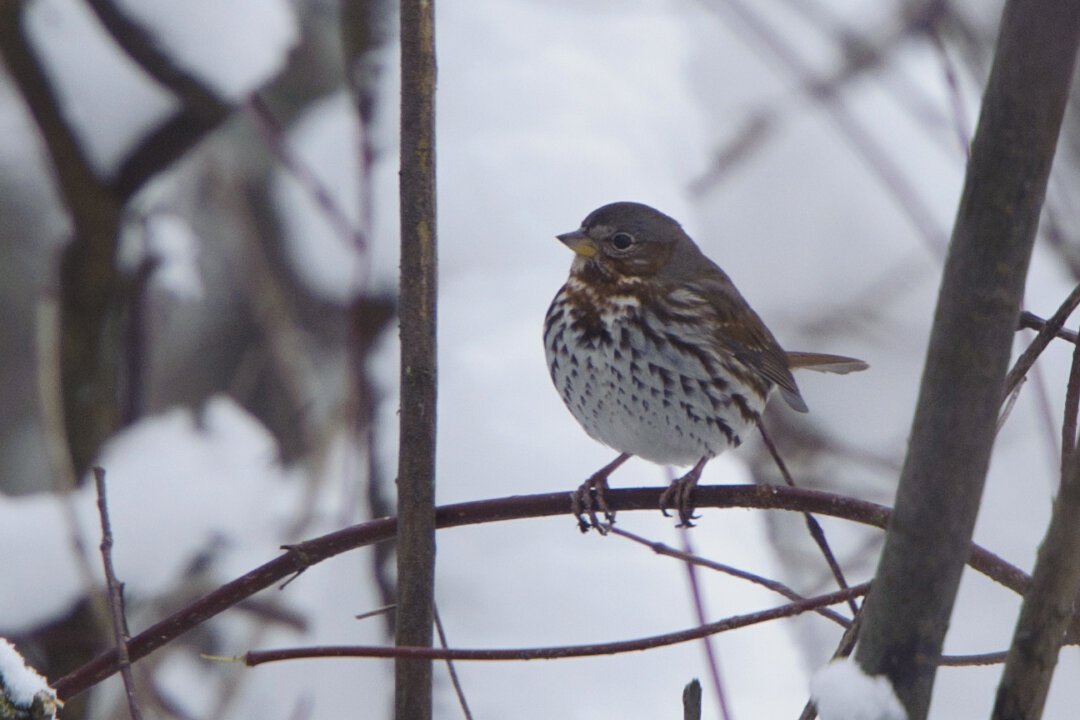
Scientists at the Institute for Bird Populations in Petaluma have uncovered compelling evidence that certain avian species experience significant population booms following wildfire events. Perhaps most remarkably, these positive effects can persist for many years after the flames have been extinguished, suggesting that fire plays a more complex role in ecosystem health than previously understood.
The research findings paint a nuanced picture of post-fire landscapes, where charred forests become unexpected havens for wildlife adaptation and growth. While headlines often focus on immediate losses—homes destroyed, habitats scorched, communities displaced—the scientific community is documenting a parallel narrative of resilience and regeneration unfolding in the aftermath.
This discovery adds crucial context to California’s ongoing relationship with wildfire, a natural phenomenon that has shaped the state’s ecosystems for millennia. As climate change intensifies fire seasons and urban development continues to expand into fire-prone areas, understanding these ecological relationships becomes increasingly vital for land management and conservation strategies.
The Institute for Bird Populations’ work represents part of a growing body of research examining how wildlife adapts to and benefits from disturbance events that humans typically view as purely destructive. These findings suggest that some species have evolved not just to tolerate fire, but to depend on the habitat changes it creates.
For California, a state where wildfire management consumes billions of dollars annually and affects millions of residents, this research offers a reminder that nature’s recovery mechanisms often operate on timescales and in ways that extend far beyond human observation. While communities rebuild and forests regrow, certain bird populations are quietly demonstrating that adaptation and opportunity can emerge from even the most seemingly devastating natural events.