





































In a landmark ruling that highlights the ongoing tension between national sovereignty and European Union law, the Court of Justice of the European Union has mandated that Poland must recognize same-sex marriages performed in other EU member states, despite the country’s domestic prohibition on such unions.

The November 25 decision by the CJEU represents a significant legal victory for LGBTQ+ rights advocates across Europe, while simultaneously raising questions about the limits of national authority in matters of family law. The court’s ruling specifically targets Poland’s refusal to acknowledge marriages between same-sex couples that were legally conducted elsewhere within the European Union.
In its official statement accompanying the judgment, the Court of Justice emphasized that denying recognition to same-sex marriages performed in other member states “is contrary to EU law because it infringes that freedom and the right to respect for private and family life.” This reasoning underscores the court’s interpretation that freedom of movement within the EU must extend to the recognition of legal family relationships established in member countries.
However, the court was careful to clarify the scope of its ruling, stressing that the decision does not compel Poland to introduce same-sex marriage into its domestic legal framework. This distinction allows Poland to maintain its current position on marriage definition within its own borders while requiring recognition of unions legally established elsewhere in the EU.
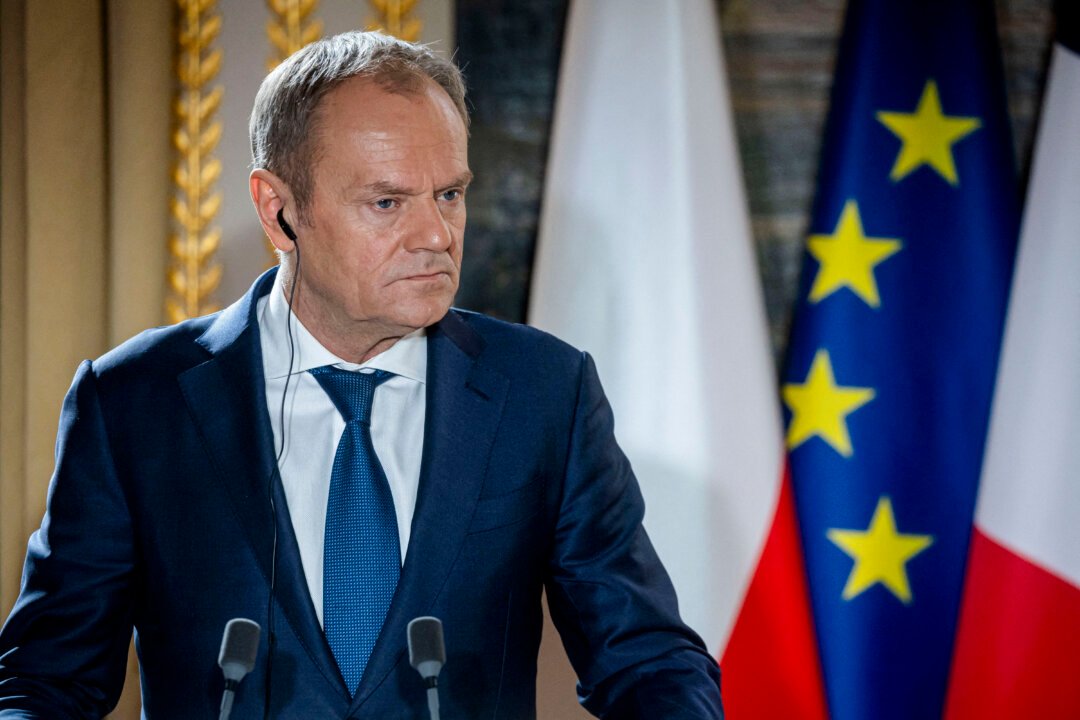
The ruling comes at a time when Polish Prime Minister Donald Tusk’s government faces numerous challenges in balancing European integration with traditional domestic values. Poland has been among the most resistant EU member states regarding LGBTQ+ rights, with several regions previously declaring themselves “LGBT-free zones” before facing EU funding cuts and legal pressure.
This judicial decision reflects the broader European struggle over social issues, where progressive policies in some member states clash with more conservative approaches in others. The court’s ruling effectively creates a legal bridge between these different positions, requiring mutual recognition while preserving national legislative autonomy.
For same-sex couples who married in EU countries where such unions are legal, the ruling provides crucial protection when traveling to or residing in Poland. Previously, these couples faced legal uncertainty and potential loss of spousal rights when crossing into Polish territory.
The decision also highlights the evolving role of EU law in traditionally national domains such as family policy. While marriage laws remain under national jurisdiction, the court’s ruling demonstrates how EU principles of free movement and fundamental rights can override certain aspects of domestic legislation.
Poland now faces the challenge of implementing this ruling while managing potential domestic political backlash. The government must develop mechanisms to recognize foreign same-sex marriages for legal purposes while maintaining its position that such marriages cannot be performed domestically under Polish law.
This ruling is expected to have broader implications across the EU, potentially affecting other member states with similar restrictions on same-sex marriage recognition. Legal experts anticipate that the decision will strengthen the position of LGBTQ+ rights advocates throughout Europe while intensifying debates about the balance between EU integration and national sovereignty.