





































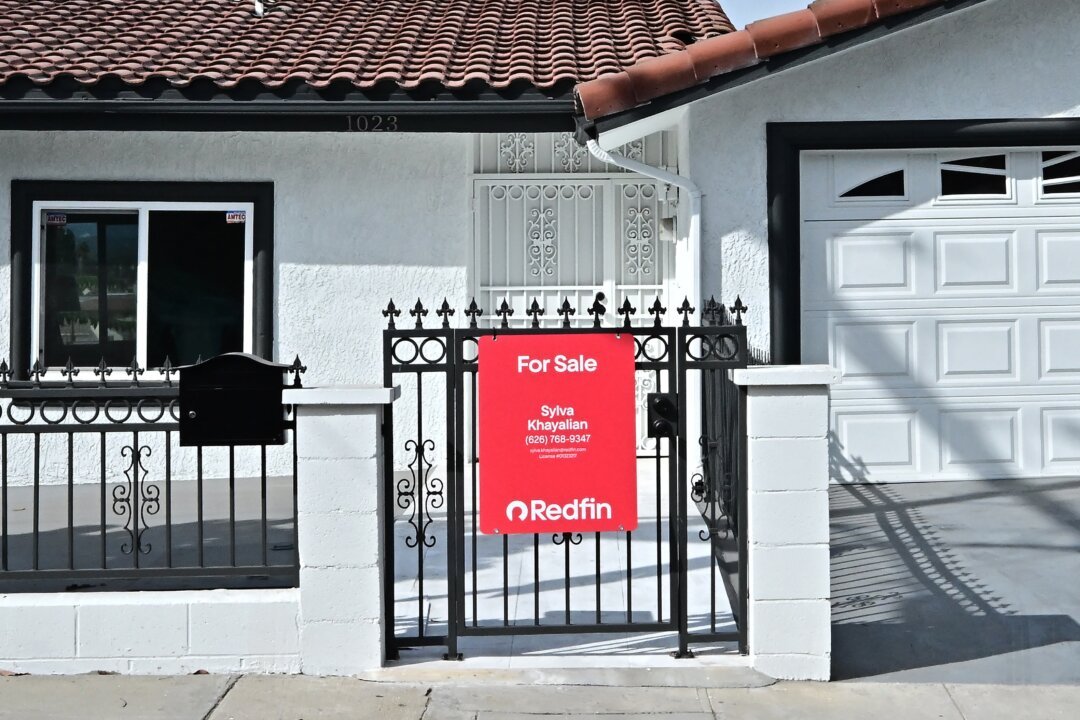
The American housing market is experiencing a dramatic shift as frustrated sellers increasingly abandon their sales efforts, with nearly 85,000 homeowners across the United States withdrawing their properties from the market in September alone, according to new data from real estate brokerage Redfin.

This massive exodus represents a staggering 28 percent surge compared to the same period last year, marking the highest September delisting activity recorded in eight years. The trend signals growing tensions between sellers clinging to elevated price expectations and buyers who are pushing back with lower offers in an increasingly challenging market.
The scale of the market disruption becomes even more apparent when examining the broader picture. September saw 5.5 percent of the nation’s total home listings removed from the market—the highest delisting rate witnessed in a full decade, according to Redfin’s November 25 report.
Real estate professionals classify a home as “delisted” when it disappears from the market for more than 31 days without completing a sale or securing a purchase contract. This typically occurs when sellers become discouraged by lackluster interest or offers that fall well below their asking prices.
The situation reflects deeper market dynamics that are reshaping the housing landscape. Redfin’s analysis reveals that a remarkable 70 percent of home listings had become “stale” by September, meaning they had languished on the market for more than 60 days since their original listing date. Properties that were eventually delisted had typically spent over 100 days trying to attract buyers—a clear indication of the growing disconnect between seller expectations and market reality.
This extended time on market suggests that many homeowners initially priced their properties based on the inflated valuations seen during the pandemic housing boom, only to discover that today’s buyers are operating under vastly different economic conditions. Higher mortgage rates, inflation concerns, and shifting demographic trends have fundamentally altered buyer behavior and purchasing power.
The delisting phenomenon creates a ripple effect throughout the housing ecosystem. When sellers withdraw their homes, it artificially tightens inventory levels, potentially supporting prices for remaining listings while simultaneously indicating underlying weakness in market demand. This creates a complex dynamic where headline inventory numbers may appear healthier than the actual market fundamentals suggest.
For prospective buyers, the surge in delistings presents both opportunities and challenges. While it may indicate that sellers will eventually need to adjust their price expectations, it also means that some potentially suitable properties are temporarily or permanently removed from consideration. Buyers who can demonstrate serious intent and reasonable offers may find themselves in stronger negotiating positions as sellers become more realistic about market conditions.
The housing market’s current trajectory suggests that the post-pandemic adjustment period is far from over. As sellers grapple with the reality that their homes may not command the premium prices they anticipated, and buyers continue to exercise caution in the face of economic uncertainty, the market appears to be seeking a new equilibrium that reflects current financial and demographic realities rather than the exceptional conditions of recent years.