





































Millions of Americans preparing for Thanksgiving gatherings face a travel nightmare as a powerful Arctic storm system barrels toward the Midwest and Northeast, threatening to unleash up to 30 inches of snow and bring bone-chilling temperatures across multiple states.

The National Oceanic and Atmospheric Administration (NOAA) and National Weather Service have issued severe weather warnings for what meteorologists describe as a significant Arctic surge originating from Canada. The massive storm system is expected to impact nine states, creating treacherous conditions for what is traditionally the busiest travel day of the year.
States bracing for the Arctic assault include Washington, Idaho, North Dakota, South Dakota, Minnesota, Wisconsin, Michigan’s Upper Peninsula, Pennsylvania, and Western New York. Weather experts predict the storm will deliver a one-two punch of heavy snowfall and dangerous wind conditions that could paralyze transportation networks during the holiday weekend.
Minnesota Bears the Brunt of Arctic Fury
The Twin Cities region of Minneapolis and St. Paul stands directly in the storm’s crosshairs, with forecasters predicting at least six inches of snow accompanied by punishing winds reaching 45 miles per hour. The combination of snow and wind will create whiteout conditions, making travel extremely hazardous.
Perhaps most alarming for residents and travelers is the anticipated temperature plunge. Wind chill factors on Thanksgiving Day are expected to drive the feel-like temperature down to a frigid 12 degrees Fahrenheit in the Minneapolis-St. Paul metropolitan area, creating dangerous conditions for anyone caught outdoors.
Record-Breaking Snowfall Threatens Great Lakes Region
Michigan and Wisconsin residents are preparing for potentially historic snowfall totals, with accumulations possibly reaching 30 inches in some areas. These extreme snow totals could rival some of the most significant Thanksgiving storms on record, creating immediate concerns for holiday travel and emergency services.
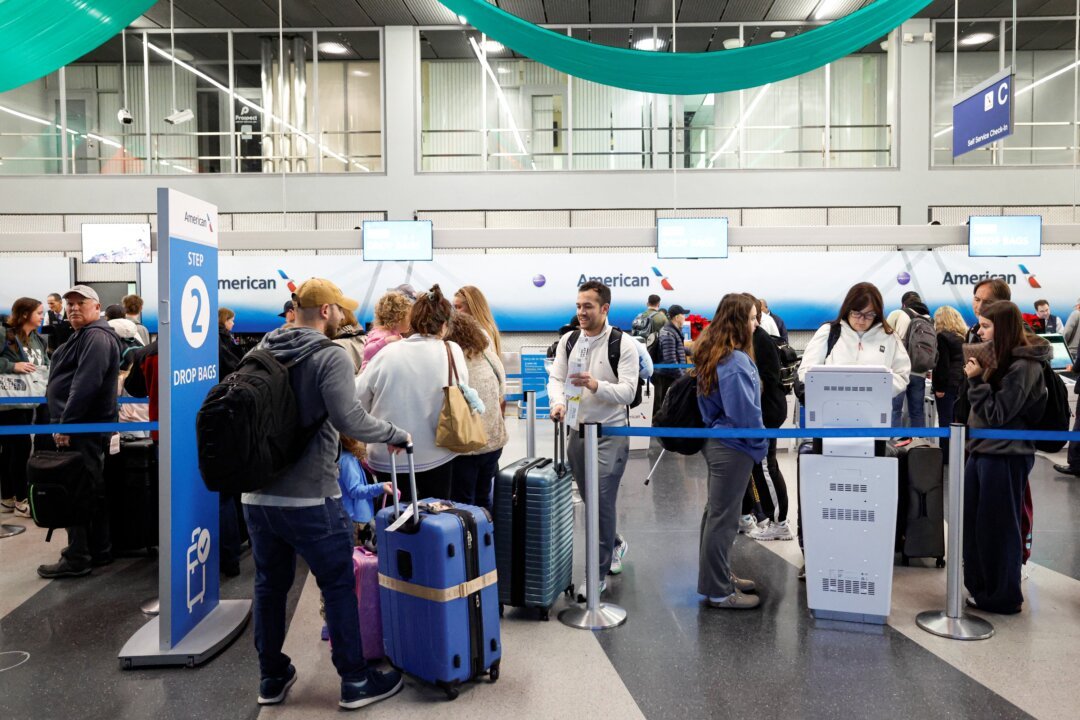
The timing couldn’t be worse for the estimated 55 million Americans expected to travel for Thanksgiving. Major airports in the affected regions, including Chicago’s O’Hare International Airport, Detroit Metropolitan Wayne County Airport, and Minneapolis-St. Paul International Airport, are already implementing contingency plans for potential flight delays and cancellations.
Unusual Weather Pattern Extends South
Adding to the weather chaos, the Arctic blast’s influence will extend far beyond traditional snow zones. Southern states, typically enjoying mild November temperatures, will experience below-average temperatures that could impact outdoor holiday activities and strain heating systems unprepared for such early-season cold.
This unusual weather pattern reflects the power of the Arctic air mass, which meteorologists say has the strength to influence temperature patterns across much of the continental United States. The dramatic temperature contrast between the Arctic air and existing atmospheric conditions is fueling the intensity of the approaching storm system.
Emergency management officials across the affected states are urging residents to complete travel plans early and stock up on essential supplies. The combination of heavy snow, high winds, and bitter cold temperatures creates the potential for power outages and dangerous travel conditions that could persist through the holiday weekend.
For travelers with flexible plans, weather experts strongly recommend departing earlier than scheduled or considering postponing travel until conditions improve. Those who must travel are advised to carry emergency supplies, including extra food, water, warm clothing, and phone chargers in case of extended delays or roadside emergencies.