






































A sprawling network of welfare fraud schemes has drained billions of taxpayer dollars from Minnesota’s social programs, with authorities pointing to coordinated efforts primarily involving members of the state’s Somali immigrant community. The scope of the financial damage has prompted federal investigations and raised alarming questions about potential terrorism financing links.

The magnitude of the fraud has stunned investigators and lawmakers alike, as at least three separate major scandals have emerged, painting a picture of systematic exploitation of America’s safety net programs. While one case has been under investigation for several years, two additional schemes recently came to light, amplifying concerns about oversight failures and security vulnerabilities.
Federal prosecutors are now facing mounting pressure from congressional lawmakers to investigate whether any portion of the stolen funds may have been funneled to terrorist organizations. This possibility has elevated what was already a significant financial crime into a matter of national security, drawing attention from the highest levels of government.
The fraud networks allegedly operated with sophisticated coordination, exploiting weaknesses in Minnesota’s welfare distribution systems to siphon unprecedented amounts of public money. The state’s large Somali population, many of whom arrived as refugees over the past several decades, has become the focus of intense scrutiny as investigators trace the money flows.
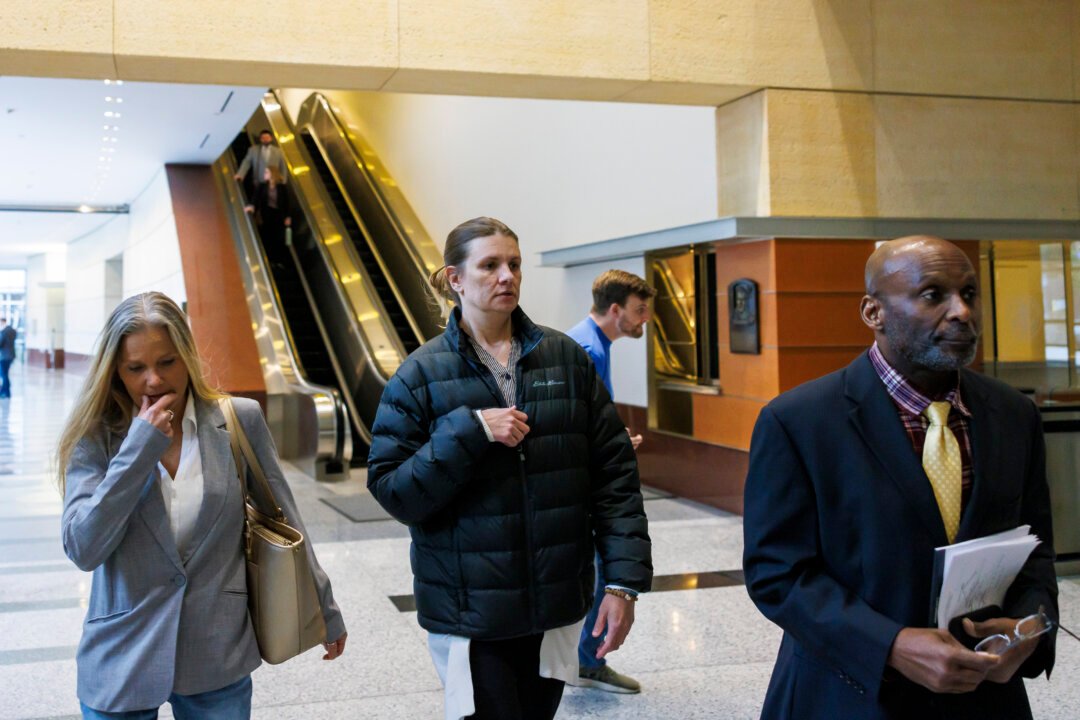
One of the most prominent cases involves Feeding Our Future, a nonprofit organization that was supposed to distribute meals to children in need. Aimee Bock, the organization’s founder and executive director, has become a central figure in the federal investigation as authorities allege her group served as a conduit for massive fraud.
The implications extend far beyond Minnesota’s borders, as lawmakers and security experts worry about the broader vulnerabilities exposed by these schemes. The possibility that welfare fraud could be financing international terrorism has sparked urgent calls for comprehensive reviews of oversight mechanisms across all federal assistance programs.
As federal prosecutors continue building their cases, the full extent of the damage is still being calculated. What remains clear is that these scandals represent one of the largest welfare fraud operations in American history, with consequences that reach far beyond the immediate financial losses to taxpayers.
The ongoing investigations have also raised uncomfortable questions about the balance between providing assistance to vulnerable refugee communities and maintaining adequate safeguards against abuse. Minnesota officials now find themselves defending their oversight practices while grappling with the political fallout from these revelations.
With multiple federal agencies now involved in the investigations, authorities are working to trace every dollar and identify all participants in what appears to be an extensive criminal enterprise that operated for years under the radar of state and federal oversight agencies.