




































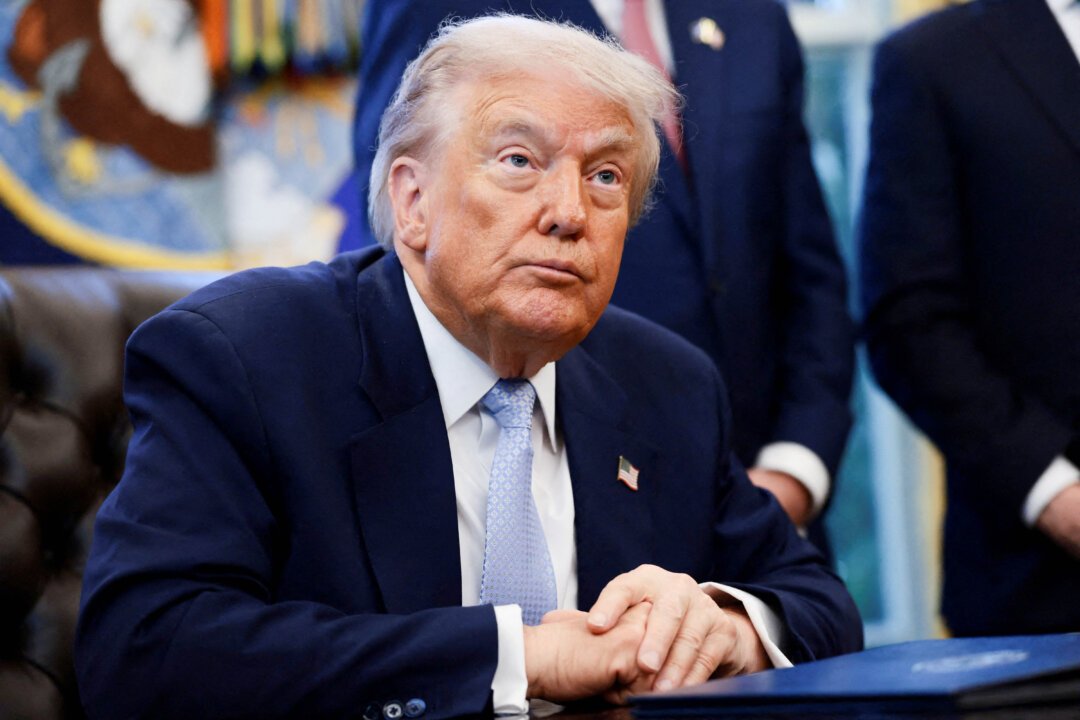
President Donald Trump has announced that South Africa will not receive an invitation to the 2026 G20 summit scheduled to take place in Miami, Florida, marking a significant escalation in diplomatic tensions between the two nations following the United States’ boycott of this year’s gathering in Johannesburg.

The decision comes after what Trump described as a diplomatic snub during the conclusion of South Africa’s hosting of the G20 summit. In a November 26 post on his Truth Social platform, Trump outlined the administration’s grievances with the South African government’s conduct during the transition of the G20 presidency.
“At the conclusion of the G20, South Africa refused to hand off the G20 Presidency to a Senior Representative from our U.S. Embassy, who attended the Closing Ceremony,” Trump stated in his social media announcement, signaling the breakdown in diplomatic protocol that has led to this unprecedented exclusion.
The exclusion of South Africa from the 2026 summit represents a dramatic shift in international diplomatic relations and highlights the growing strain between Washington and Pretoria. The United States’ decision to boycott the Johannesburg G20 summit earlier this year already signaled deteriorating relations, but Trump’s latest move takes the diplomatic dispute to a new level.
This development raises questions about the future of multilateral cooperation within the G20 framework and could set a precedent for how host nations handle disputes with member countries. The G20, which brings together the world’s largest economies to discuss global economic issues, has traditionally operated on principles of inclusive dialogue despite political differences.
The Miami summit, set for 2026, was expected to showcase American leadership in global economic discussions. However, the exclusion of South Africa, a significant African economy and member of the BRICS alliance, may complicate the summit’s effectiveness and representation of global economic interests.
South African officials have yet to publicly respond to Trump’s announcement, but the exclusion is likely to reverberate through diplomatic channels and could impact broader U.S.-Africa relations. The move also raises questions about how other G20 members will respond to the precedent of excluding a member nation from the summit.
As the situation continues to develop, observers will be watching closely to see whether diplomatic efforts can bridge the gap between the two nations or if this marks a longer-term shift in their relationship within international forums.