






































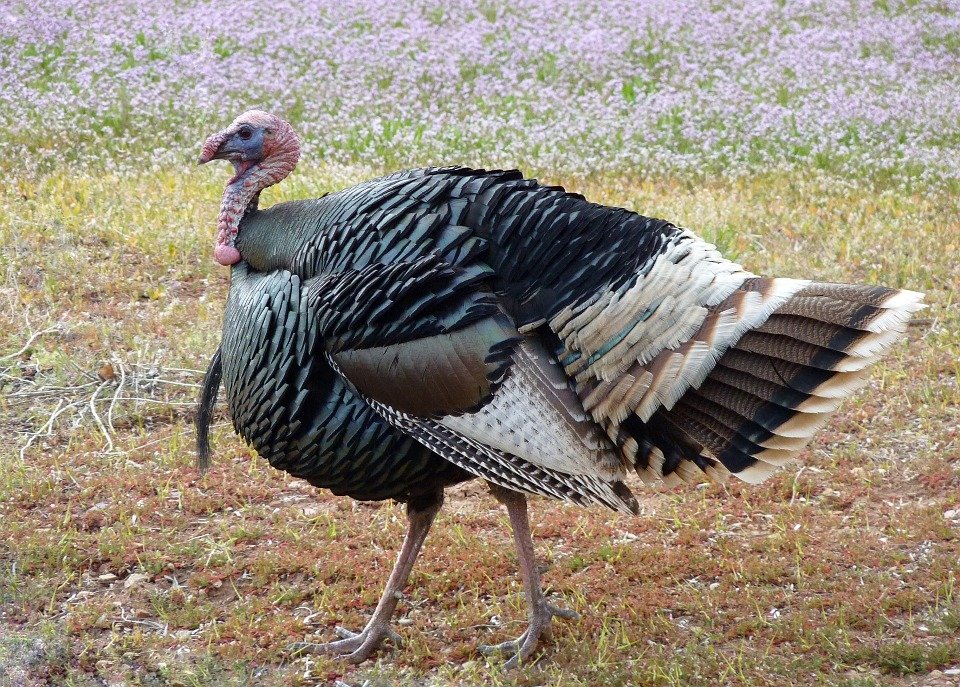
With the ability to sprint at 25 mph, soar through the air at speeds exceeding 55 mph, detect the sound of a falling acorn amid howling winds, and spot potential threats from 100 yards away, the wild turkey stands as one of America’s most remarkable success stories in wildlife conservation.

These impressive birds, known scientifically as Meleagris gallopavo, once numbered in the countless millions across what would become the United States. Back in 1621, the Wampanoag Tribe shared their knowledge of trapping these native fowl with Plymouth Colony settlers in Massachusetts, marking an early chapter in the turkey’s intertwined relationship with American history.
However, the wild turkey’s story nearly ended in tragedy. By the early 20th century, unregulated hunting and widespread habitat destruction had pushed this iconic species to the brink of extinction. What followed became one of conservation’s greatest triumphs, with implications reaching far beyond saving a single species.
The coordinated effort to restore wild turkey populations has created a ripple effect throughout American ecosystems, benefiting numerous other wildlife species along the way. Conservation biologists have discovered that protecting and restoring turkey habitat has simultaneously provided crucial support for many creatures currently facing their own survival challenges.
Wild turkeys serve as what ecologists call an “umbrella species” – meaning conservation efforts designed to protect them automatically shelter many other animals sharing similar habitat requirements. The diverse ecosystems turkeys need, including mature forests, woodland edges, and open grasslands, support an intricate web of wildlife ranging from songbirds to mammals.
The turkey’s remarkable sensory abilities make them excellent indicators of ecosystem health. Their acute hearing allows them to detect subtle environmental changes, while their exceptional eyesight helps them navigate complex forest environments and avoid predators. These same qualities that helped them survive also make them valuable sentinel species for conservationists monitoring habitat quality.
Their distinctive calls, which can alert entire forest communities to approaching danger, demonstrate their role as communicators within the broader ecosystem. This natural alarm system benefits countless other species that rely on these vocal warnings to avoid predators and other threats.
Perhaps most remarkably, wild turkeys possess an almost supernatural ability to vanish into their surroundings despite their considerable size. Adult males can weigh up to 24 pounds, yet they can disappear so completely into forest vegetation that they seem to dematerialize before observers’ eyes.
The conservation strategies that brought wild turkeys back from fewer than 30,000 birds in the 1930s to more than 6 million today have created a template for protecting other struggling species. Habitat restoration, hunting regulations, and translocation programs pioneered for turkeys are now being applied to help species currently listed as endangered or threatened.
As Americans gather around Thanksgiving tables this year, the wild turkey’s remarkable recovery serves as a powerful reminder that dedicated conservation efforts can achieve seemingly impossible results. The techniques developed to save this Thanksgiving icon continue to benefit wildlife across the continent, proving that sometimes saving one species can help preserve entire ecosystems for future generations.