







































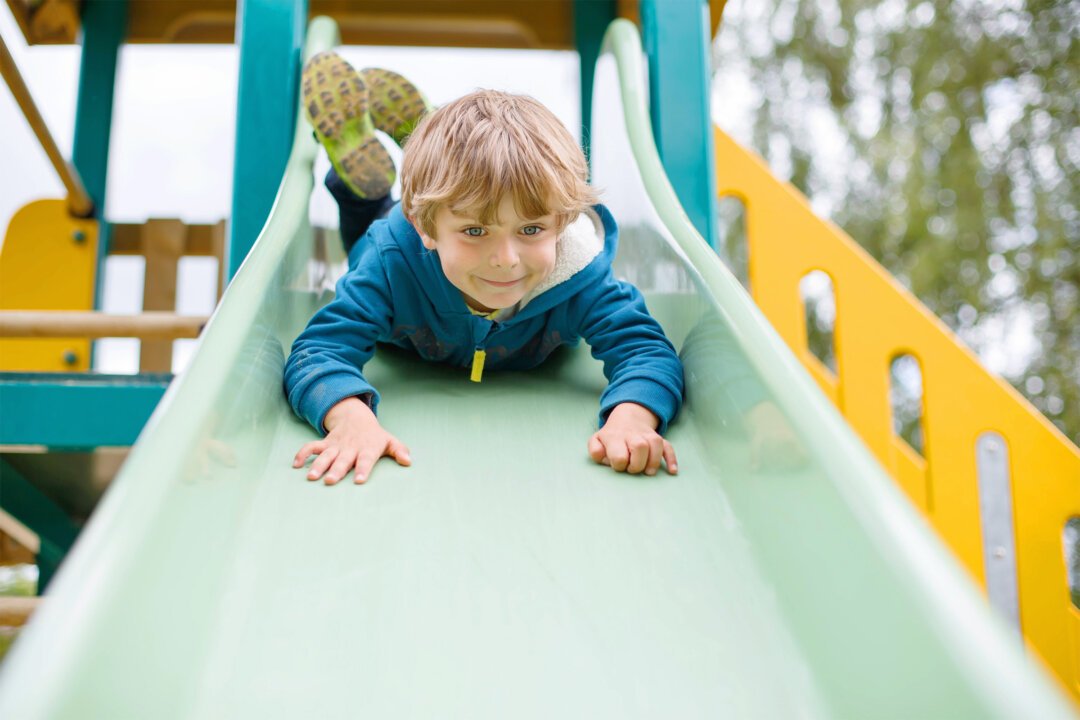
A startling revelation from the CS Mott Children’s Hospital National Poll on Children’s Health has exposed a concerning reality about modern childhood: merely one in ten American children ventures outdoors to play even once per week. This dramatic departure from the childhoods of previous generations signals a fundamental shift in how today’s youth spend their formative years.

The implications of this indoor exodus are manifesting across the nation in deeply troubling ways. Health experts are witnessing unprecedented spikes in childhood obesity rates, while mental health professionals report alarming increases in anxiety and depression among young people. Perhaps equally concerning is the documented decline in children’s ability to focus and maintain physical fitness—skills that were once naturally developed through unstructured outdoor play.
This screen-dominated lifestyle represents more than just a change in recreational preferences. When children remain tethered to digital devices within the confines of their homes, they miss critical opportunities to develop essential life skills that can only be cultivated through real-world experiences and physical exploration of their environment.
The shift away from outdoor play affects multiple aspects of child development simultaneously. Physical coordination, spatial awareness, risk assessment, social negotiation skills, and creative problem-solving—all traditionally honed through outdoor adventures—are now underdeveloped in a generation raised primarily indoors.
Child development experts emphasize that outdoor play serves as nature’s classroom, providing irreplaceable lessons that no screen-based activity can replicate. The sensory-rich environment of outdoor spaces stimulates neural pathways crucial for healthy brain development, while physical challenges naturally present in outdoor settings build both confidence and competence.
The data from the CS Mott Children’s Hospital poll represents more than statistics; it reflects a generational transformation that may have lasting consequences for public health, educational outcomes, and social development. As parents and educators grapple with this reality, the urgent need to reintegrate outdoor play into children’s daily routines becomes increasingly apparent.
This trend toward indoor living among children comes at a time when research consistently demonstrates the profound benefits of nature exposure for developing minds and bodies. The challenge now lies in reversing this trajectory before an entire generation loses touch with the fundamental experiences that have shaped human development for millennia.