



























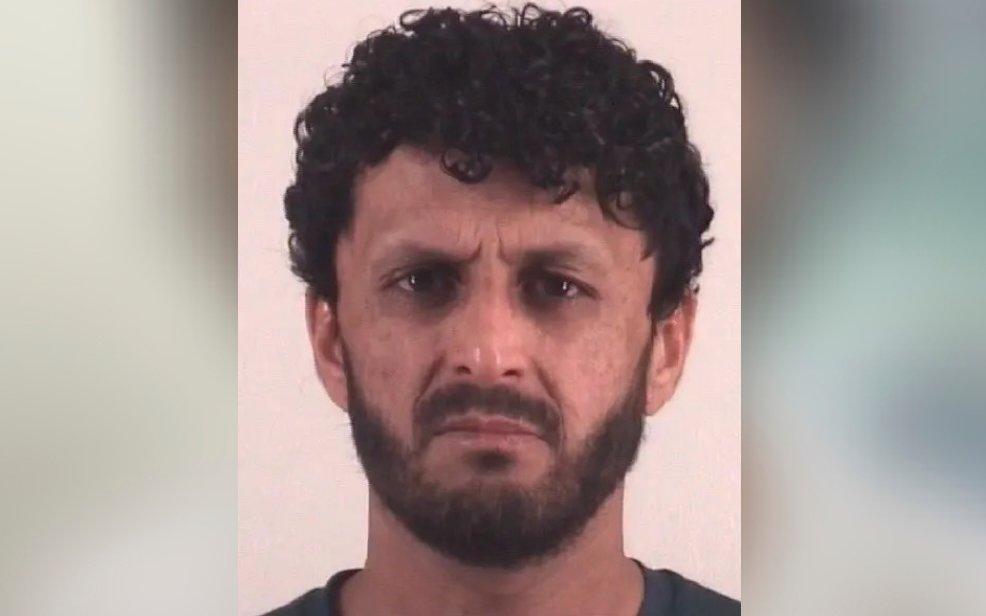
A troubling incident involving an Afghan national brought to America under President Biden’s refugee resettlement program has reignited debate over immigration security protocols, as authorities arrested the man for allegedly threatening to detonate explosives in Texas.

Mohammad Dawood Alokozay, who entered the United States through Operation Allies Welcome, was taken into custody by Texas law enforcement on November 25 following allegations that he posted threatening content on social media platform TikTok. According to the Department of Homeland Security, the video showed Alokozay claiming to construct an explosive device while making threats against a building in the Fort Worth metropolitan area.
The arrest comes at a particularly sensitive time for the Biden administration’s immigration policies, as this incident follows closely on the heels of another security breach near the nation’s capital. Just days earlier, two National Guard personnel were wounded in a shooting incident in the vicinity of the White House, adding to mounting concerns about potential security gaps in the current system.
Operation Allies Welcome was launched in 2021 as part of the chaotic withdrawal from Afghanistan, designed to provide sanctuary for Afghan nationals who had assisted U.S. military and diplomatic efforts during the two-decade conflict. The program has processed tens of thousands of Afghan evacuees, offering them temporary protected status while they await permanent resettlement.
However, this latest arrest is likely to fuel ongoing criticism from Republican lawmakers and security experts who have repeatedly raised questions about the thoroughness of vetting procedures for Afghan parolees. The incident provides fresh ammunition for those arguing that the rushed nature of the evacuation may have compromised standard security screening protocols.
The Department of Homeland Security has not released additional details about Alokozay’s background, including when he arrived in the United States or what initial screening processes he underwent. The agency also has not specified the exact nature of the threatened target in Fort Worth or whether any additional suspects are being investigated in connection with the case.
This development adds another layer of complexity to an already contentious immigration debate, as lawmakers prepare for potential policy changes under the incoming administration. The timing of these incidents is particularly significant given the increased scrutiny surrounding refugee resettlement programs and their impact on national security.
As the investigation continues, federal authorities will likely face renewed pressure to explain how individuals with potential security risks may have slipped through screening processes, and what additional measures might be necessary to prevent similar incidents in the future.