















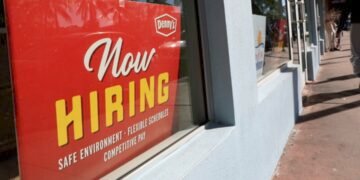











American households are heading into the holiday shopping season with significantly weakened purchasing power, as stubborn inflation continues to outpace wage gains despite economists painting a rosier picture for economic growth in 2026.

A comprehensive analysis released November 25 by the JPMorganChase Institute reveals that median real income growth for working-age Americans between 25 and 54 decelerated to just 1.6 percent in October. This sluggish pace mirrors the anemic recovery patterns witnessed during the challenging post-Great Recession era of the 2010s, when the labor market struggled to regain momentum.
The findings underscore a troubling disconnect between Wall Street optimism and Main Street reality. While financial analysts have recently upgraded their forecasts for next year’s economic expansion, ordinary families are grappling with stagnant bank balances and wages that fail to keep pace with the rising cost of living.
This income stagnation comes at a particularly challenging time for consumers, as the holiday season typically represents a period of increased household spending on gifts, travel, and entertainment. The timing could not be worse for retailers counting on robust consumer spending to drive fourth-quarter sales figures.
The JPMorganChase Institute’s data provides a stark reminder that economic recovery remains uneven across different segments of the population. While corporate earnings and stock market performance suggest economic strength, the lived experience of middle-class families tells a different story of financial strain and reduced purchasing power.
The comparison to the 2010s recovery period is particularly noteworthy, as that era was characterized by what economists termed a “jobless recovery” – where economic indicators improved while ordinary workers saw little benefit in their paychecks. The current situation suggests similar dynamics may be at play, with economic growth failing to translate into meaningful improvements in household financial security.
For policymakers, these findings present a complex challenge. Despite optimistic projections for 2026 economic expansion, the immediate reality facing American families requires urgent attention. The gap between economic forecasts and household financial health continues to widen, potentially undermining long-term economic stability and consumer confidence.
As families prepare for holiday expenses while managing tight budgets, the broader implications for retail sales, consumer spending patterns, and economic growth remain uncertain. The disconnect between improving economic forecasts and deteriorating household purchasing power may prove to be one of the defining economic narratives heading into 2026.