













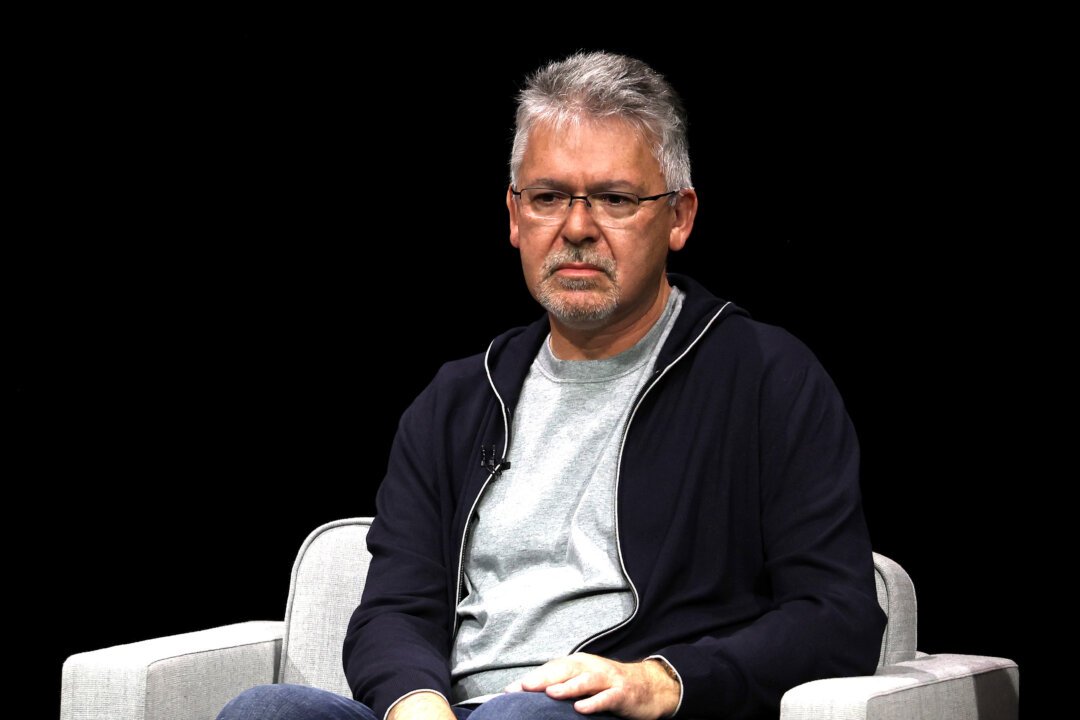
In a significant leadership transition that signals potential changes ahead for Apple’s artificial intelligence strategy, the tech giant announced Monday that John Giannandrea, its senior vice president of machine learning and AI strategy, will be stepping down from his current role.

Giannandrea, who has served as Apple’s AI chief for nearly eight years, will transition to an advisory position before officially retiring next year. The announcement comes at a critical juncture for Apple as the company faces mounting pressure to accelerate its AI development and compete more aggressively in the rapidly evolving artificial intelligence landscape.
The Cupertino-based technology powerhouse has tapped a former Microsoft executive to fill the crucial position, though the company has not yet disclosed specific details about the incoming replacement. This leadership change represents one of the most significant shifts in Apple’s AI division since Giannandrea joined the company from Google in 2018.
During his tenure at Apple, Giannandrea played an instrumental role in shaping the company’s machine learning and artificial intelligence strategy, overseeing developments in Siri, on-device intelligence, and various AI-powered features across Apple’s ecosystem of products and services. His leadership helped integrate AI capabilities more deeply into iOS, macOS, and other Apple platforms.
However, Giannandrea’s departure comes amid growing scrutiny over Apple’s perceived lag in AI innovation compared to competitors like Google, Microsoft, and OpenAI. Industry analysts and critics have increasingly questioned whether Apple has moved too slowly in embracing generative AI technologies and advanced machine learning capabilities that have captured public attention over the past two years.
The timing of this leadership transition is particularly notable as Apple prepares for what many expect to be a pivotal year for AI integration across its product lineup. The company has been working to incorporate more sophisticated AI features into its devices and services, though it has taken a characteristically measured approach compared to some of its Big Tech rivals.
Apple’s approach to AI has traditionally emphasized privacy and on-device processing, a philosophy that Giannandrea helped champion during his time with the company. This strategy has differentiated Apple from competitors who rely more heavily on cloud-based AI processing, but it has also potentially slowed the rollout of certain AI capabilities.
The incoming Microsoft executive will inherit both opportunities and challenges in the role. While Apple’s strong hardware ecosystem and focus on privacy provide unique advantages for AI development, the new leader will need to navigate increasing expectations from consumers, developers, and investors for more visible AI innovations.
This leadership change reflects broader shifts occurring across the technology industry as companies reassess their AI strategies and leadership structures. The competition for top AI talent has intensified dramatically, with major tech firms regularly poaching executives and researchers from one another.
As Apple prepares for this transition, the company’s ability to maintain momentum in AI development while potentially pivoting its strategy under new leadership will be closely watched by industry observers and investors alike. The success of this leadership change could significantly impact Apple’s competitive position in the AI-driven technology landscape of the coming years.