












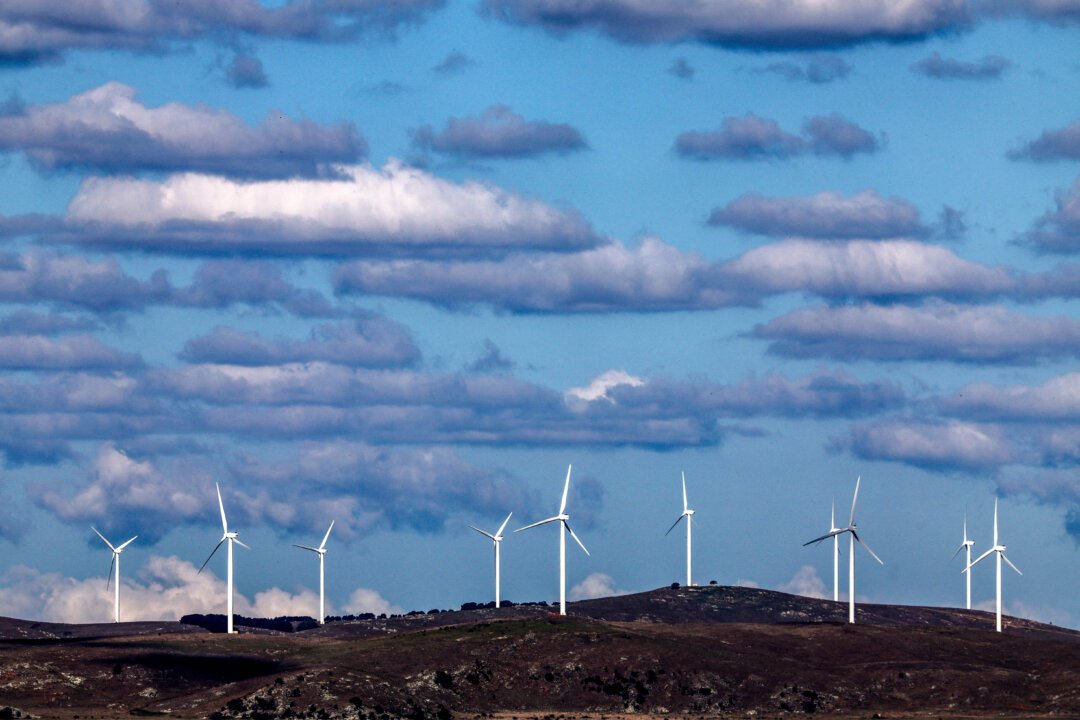
Australia’s renewable energy sector faces mounting scrutiny as asbestos-contaminated components have been discovered at mining magnate Andrew Forrest’s newly operational $1 billion Clarke Creek Wind Farm in regional Queensland, marking the latest in a series of contamination incidents plaguing the nation’s wind energy infrastructure.

The massive renewable energy facility has become the newest site confirmed to contain hazardous materials linked to Chinese-owned developer and renewables supplier Goldwind, prompting immediate safety protocols and comprehensive air quality testing across the affected areas.
This discovery represents a significant blow to Australia’s clean energy ambitions, as the Clarke Creek Wind Farm was heralded as a flagship project in the nation’s transition toward renewable power generation. The facility’s contamination adds to growing concerns about the safety and quality control of Chinese-manufactured wind turbine components being deployed across Australian wind farms.
The Clean Energy Council has now issued statements addressing the escalating situation, as investigations expand to examine the full scope of asbestos contamination in Australian wind energy installations. The organization’s response comes amid increasing pressure from industry stakeholders and government officials demanding accountability and immediate remediation measures.
Air quality monitoring teams have been deployed to the Queensland site to assess potential health risks to workers and nearby communities. The testing protocols aim to determine the extent of airborne asbestos particles and establish safety perimeters around affected turbine installations.
The Clarke Creek Wind Farm contamination follows a troubling pattern of similar discoveries at multiple Australian wind energy sites, all connected to Goldwind’s manufacturing and supply chain. This systematic issue has raised serious questions about quality assurance processes and safety standards in the rapidly expanding renewable energy sector.
Industry experts warn that these contamination incidents could significantly impact Australia’s renewable energy rollout timeline and costs, as affected facilities may require extensive remediation work or complete component replacement. The financial implications for projects like Clarke Creek, which represent billions in infrastructure investment, remain unclear as investigations continue.
The discovery at Forrest’s flagship renewable project underscores the complex challenges facing Australia’s transition to clean energy, particularly regarding the reliability and safety of international supply chains in the global wind energy market. Environmental and occupational health authorities are now working to establish comprehensive testing protocols for all wind farm installations using similar Chinese-manufactured components.
As the investigation expands, government regulators are reviewing approval processes for wind energy components and considering enhanced safety requirements for future installations. The broader implications for Australia’s renewable energy targets and international supply relationships continue to unfold as more details emerge from ongoing safety assessments.