













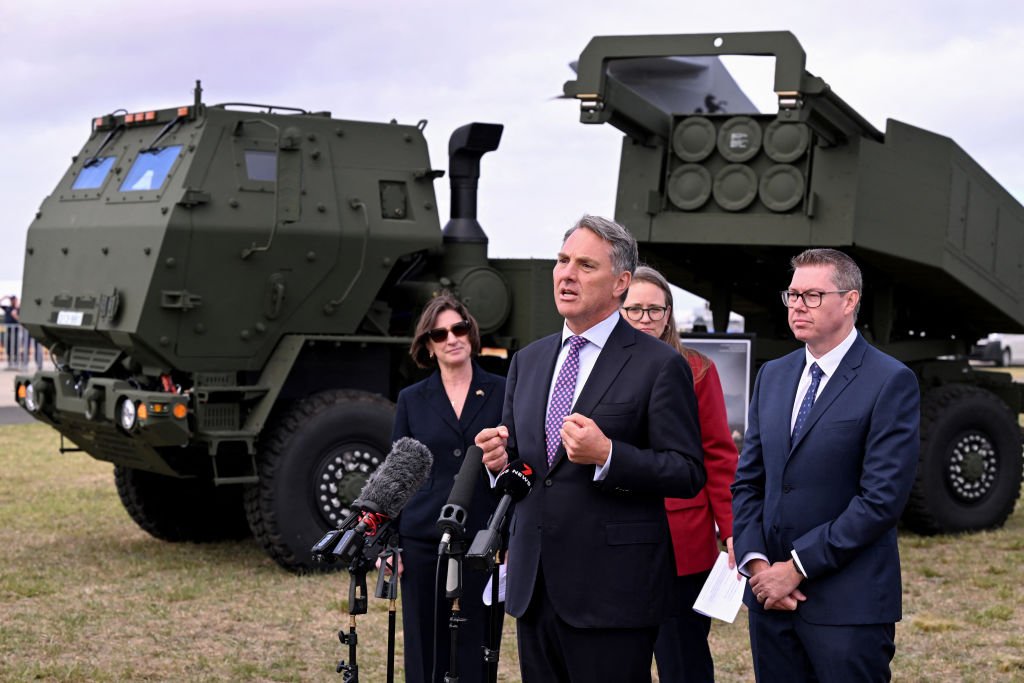
Australia’s Labor government has announced one of the most significant restructures of the nation’s defence procurement system in decades, merging three separate agencies into a single powerful entity designed to rein in spiraling costs and chronic project delays that have plagued military acquisitions for years.

The ambitious reform centers on the establishment of the Defence Delivery Agency (DDA), an independent organization that will assume full responsibility for managing Australia’s major military procurement projects. The new body represents a dramatic departure from the current fragmented approach that has seen numerous high-profile defence acquisitions suffer from massive cost overruns and lengthy delays.
This sweeping overhaul comes as Australia grapples with mounting public frustration over the government’s handling of critical defence projects, some of which have been in development for decades without successful completion. The consolidation aims to streamline decision-making processes, eliminate bureaucratic redundancies, and establish clearer accountability structures within the defence procurement system.
The creation of the DDA marks a pivotal moment in Australia’s defence strategy, particularly as the nation faces increasing security challenges in the Indo-Pacific region. By centralizing procurement oversight under a single authority, the government hopes to accelerate the delivery of essential military capabilities while maintaining stricter financial controls.
The new agency will operate with enhanced independence from traditional defence bureaucracy, giving it greater authority to make swift decisions and implement changes without the lengthy approval processes that have historically bogged down major acquisitions. This structural change is expected to significantly reduce the time between project approval and actual delivery of military equipment.
Defence industry experts have cautiously welcomed the announcement, noting that previous attempts at reform have often fallen short of expectations. However, the comprehensive nature of this latest restructure suggests the government is serious about addressing the systemic issues that have undermined public confidence in defence spending.
The timing of this announcement is particularly significant as Australia continues to modernize its military capabilities in response to evolving regional security threats. The government has committed substantial resources to defence upgrades, making efficient project management more critical than ever to ensure taxpayer funds deliver maximum value.
Under the new structure, the DDA will have direct oversight of all major defence acquisitions, from initial planning stages through to final delivery and implementation. This end-to-end approach is designed to eliminate the coordination problems that have historically emerged when multiple agencies share responsibility for different aspects of the same project.
The reform initiative reflects broader international trends toward more centralized defence procurement management, with several allied nations having implemented similar consolidations in recent years to address comparable challenges with cost control and project delivery timelines.