













Australia is embarking on an unprecedented monitoring initiative to track how teenagers adapt to life after the nation’s groundbreaking under-16 social media ban takes effect. The comprehensive study promises to reveal whether removing young people from digital platforms delivers the promised benefits to their mental and physical well-being.

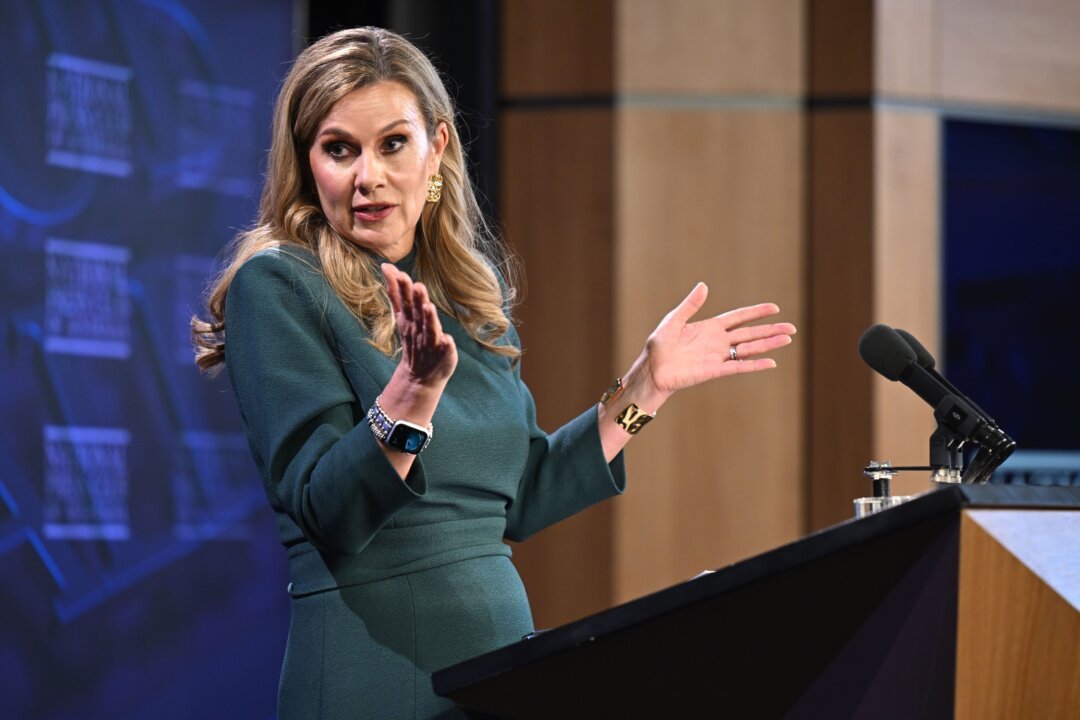
eSafety Commissioner Julie Inman-Grant announced that her team will conduct extensive behavioral monitoring of Australian youth, going far beyond simply checking whether minors are accessing prohibited platforms. The ambitious research project will examine multiple facets of teenage life to paint a complete picture of the ban’s real-world impact.
“We won’t just be monitoring whether children are staying off social media,” Inman-Grant explained in exclusive comments to The Epoch Times, signaling the scope of the upcoming investigation.
The monitoring program will track a diverse range of lifestyle indicators that researchers believe could be influenced by reduced social media exposure. Sleep patterns will be closely examined, as studies have consistently linked excessive screen time to disrupted circadian rhythms and poor sleep quality among adolescents.
Social activity levels represent another crucial metric in the study. Researchers aim to determine whether teenagers increase face-to-face interactions and community engagement when digital social platforms are removed from the equation. This data could provide valuable insights into whether the ban successfully addresses concerns about social isolation and declining interpersonal skills among young people.
Physical activity and sports participation will also fall under scrutiny, as health advocates have long argued that social media consumption reduces time spent on exercise and outdoor activities. The study will track whether removing these digital distractions leads to measurable improvements in teenage fitness and sports involvement.
Reading habits form another key component of the research, with officials hoping to document whether young Australians return to books and educational materials when social media no longer competes for their attention. Academic performance metrics will be closely monitored to assess any correlation between the ban and educational outcomes.
Perhaps most significantly, the study will examine medication use among teenagers, particularly prescriptions for anxiety, depression, and attention-related conditions. Mental health professionals have debated whether social media contributes to rising rates of psychological distress among young people, making this aspect of the research particularly valuable for future policy decisions.
The comprehensive nature of this monitoring effort reflects the high stakes surrounding Australia’s pioneering legislation. As the first nation to implement such sweeping restrictions on youth social media access, Australia faces intense international scrutiny over whether the ban will deliver its promised benefits or create unintended consequences.
The research findings could influence similar legislative efforts in other countries, where policymakers are watching Australia’s experiment with keen interest. Several nations have expressed interest in implementing comparable restrictions, but are waiting to see concrete evidence of the policy’s effectiveness.
This monitoring initiative comes as the Australian government faces mounting pressure to justify the controversial ban, which has sparked intense debate about digital rights, parental authority, and government overreach. Critics have questioned whether such restrictions are enforceable and worry about driving teenage internet activity underground.
The eSafety Commissioner’s commitment to comprehensive behavioral tracking represents an acknowledgment that the ban’s success cannot be measured solely by compliance rates. True effectiveness will be determined by whether Australian teenagers experience measurable improvements in their overall quality of life and well-being.
As implementation of the under-16 social media ban approaches, this monitoring program will provide crucial data to determine whether Australia’s bold experiment in digital regulation achieves its ambitious goals of protecting young people in the digital age.