













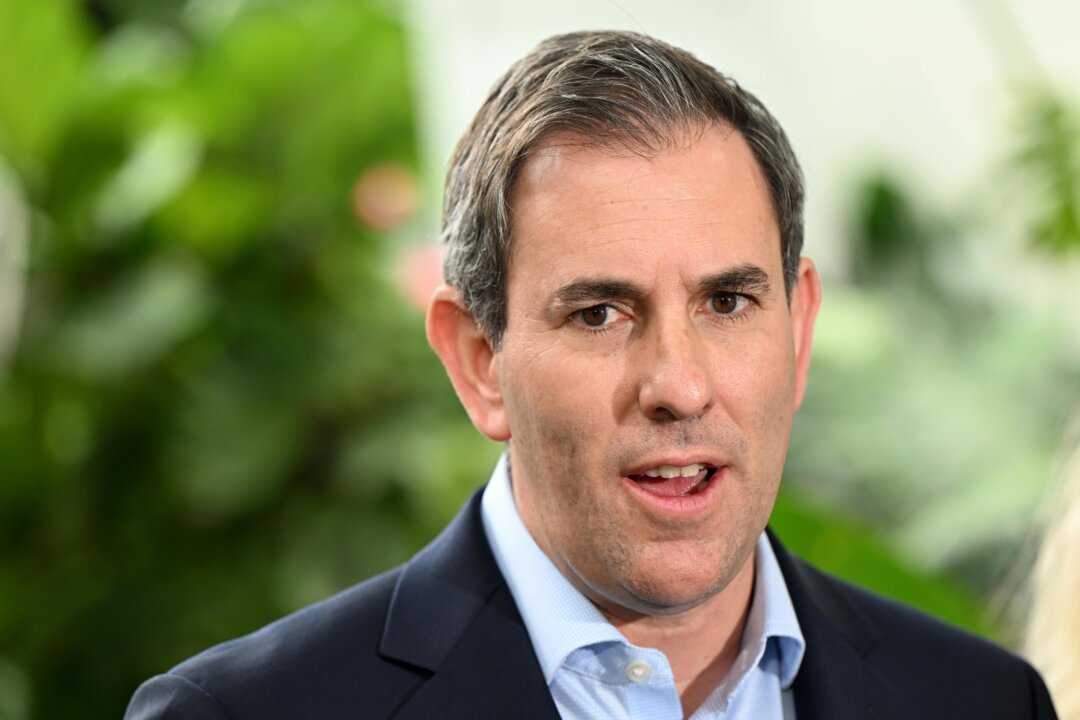
In a move that will directly impact millions of Australian households, Treasurer Jim Chalmers announced Sunday that the federal government will not extend electricity bill rebates beyond December 2025, marking the end of a cornerstone cost-of-living support program that has provided nearly $9 billion in relief since its inception.

The decision, finalized during a Cabinet meeting on December 8, represents a significant shift in the Labor government’s approach to addressing household financial pressures. Chalmers acknowledged the difficulty of the choice while emphasizing that the Energy Bill Relief Fund was always designed as a temporary intervention.
“The Cabinet decided this morning not to extend the electricity bill rebates,” Chalmers told reporters. “We’ve encouraged people not to see these as a permanent feature of the budget.”
The program has delivered substantial financial relief through three distinct phases: a universal $300 subsidy during the 2024-25 period, followed by a $150 payment from July, with the final installment concluding on December 31. The federal contribution alone totaled approximately $7 billion, supplemented by an additional $1.5 billion from state and territory governments.
This policy reversal comes at a challenging economic moment, with headline inflation climbing back to 3.8 percent and electricity costs surging dramatically across the nation. Recent data from the Australian Bureau of Statistics reveals electricity prices have skyrocketed 37.1 percent, driven partly by the conclusion of state rebate programs in Queensland and Western Australia, as well as timing effects from Commonwealth lump-sum distributions.
Even when rebate impacts are excluded from calculations, electricity prices still increased by 5 percent, reflecting the annual retail price adjustments that continue to burden household budgets nationwide.
Chalmers defended the original program’s timing and purpose, noting it was implemented when inflation reached nearly 8 percent. “The nature of that cost of living help is evolving over time, but our commitment to providing cost of living relief is constant,” he stated.
Looking ahead, the Treasurer outlined a strategic pivot toward what he termed “permanent measures” rather than temporary subsidies. The government plans to channel future cost-of-living assistance through structural reforms in taxation, Medicare enhancements, and expanded pharmaceutical benefits, with significant tax cuts scheduled to begin in 2026.
This transition represents more than just a policy adjustment—it signals a fundamental recalibration of how the Labor government approaches economic relief for struggling families. While temporary rebates provided immediate breathing room during peak inflation, the shift toward systemic changes aims to create lasting financial benefits for Australian households.
The timing of this announcement is particularly significant as families prepare for the holiday season and begin planning their 2026 budgets without the safety net of electricity rebates. Industry analysts suggest this could accelerate discussions around energy market reforms and renewable energy transitions as alternative pathways to reducing long-term electricity costs.
For millions of Australian households who have relied on these rebates to manage rising energy bills, the end of this program represents both a financial challenge and a test of the government’s promise to deliver equivalent relief through alternative channels. The success of this policy transition will likely become a defining issue as the nation heads toward the next federal election cycle.