













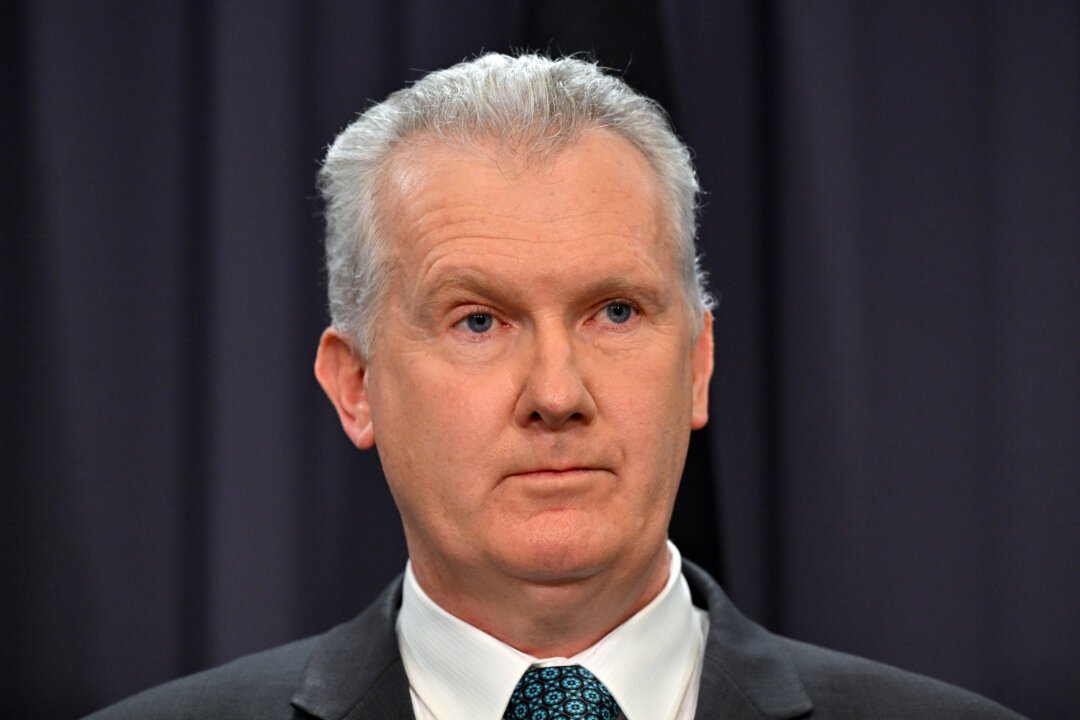
Australian Home Affairs Minister Tony Burke is facing mounting pressure to explain previously undisclosed meetings regarding the potential return of ISIS-linked Australians, after leaked documents contradicted his earlier public statements about his involvement in the controversial repatriation efforts.

Opposition Leader Sussan Ley has demanded that Burke “front up and explain his secret meetings about bringing former ISIS members back to Australia,” following revelations that the minister held discussions he had not previously disclosed to the public or parliament.
The leaked documents expose that Burke participated in at least two meetings this year with advocacy groups supporting the return of so-called ISIS brides and their children to Australian soil. The revelations have sparked fresh political controversy over the government’s handling of the sensitive repatriation issue.
Perhaps more significantly, the documents reveal that the United States government had extended an offer to assist Australia in repatriating these individuals, adding an international dimension to what has become a domestic political firestorm.
The disclosure puts Burke in an uncomfortable position, as he had previously indicated he was not directly involved in facilitating the return of the ISIS-linked women and children. The minister’s office has yet to provide a comprehensive response to the allegations or explain the apparent discrepancy between his public statements and the documented meetings.
The controversy centers on Australian women who traveled to Syria and Iraq to join ISIS, along with their children, many of whom were born in the conflict zones. The question of whether and how to repatriate these individuals has been a contentious issue across Western nations, balancing national security concerns with humanitarian obligations and citizenship rights.
Opposition politicians are now calling for full transparency about the extent of Burke’s involvement in repatriation discussions and whether he misled parliament or the public about his role in the process. The leaked documents suggest a more active government engagement with the issue than previously acknowledged.
The timing of these revelations is particularly sensitive, as Australia continues to grapple with national security policies and the ongoing challenge of managing citizens who became involved with terrorist organizations overseas. The government’s approach to these cases has significant implications for both domestic security and Australia’s international relationships.
As pressure mounts for Burke to provide a full accounting of his meetings and the government’s repatriation discussions, the controversy threatens to become a broader political liability for the current administration’s handling of national security matters.