


























In a move that underscores growing cybersecurity tensions between Australia and China, members of parliament and parliamentary staff received extraordinary instructions to power down their electronic devices during a high-profile visit by one of Beijing’s most senior officials.

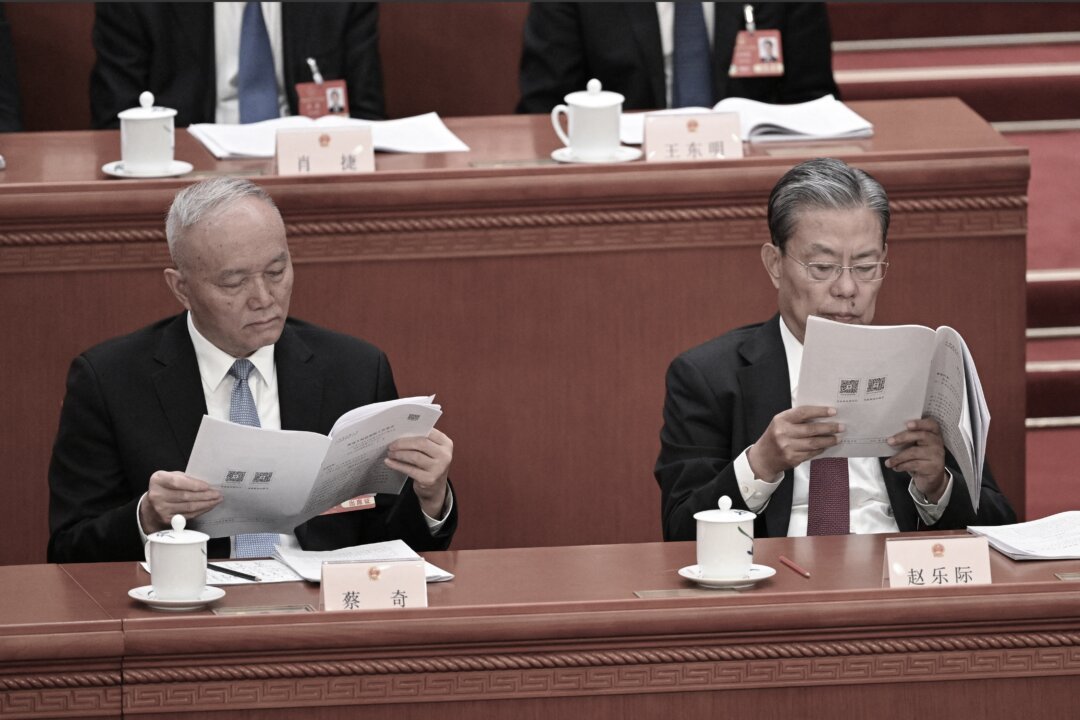
The Department of Parliamentary Services (DPS) issued an internal email containing stringent security protocols ahead of the November 24 visit by Zhao Leji, who holds the position of chairman of the Standing Committee of the National People’s Congress and ranks as the Chinese Communist Party’s third-highest leader.
The unprecedented directive required MPs to shut down their mobile phones, disable Wi-Fi and Bluetooth connections, and keep laptops completely offline while the Chinese delegation moved through Parliament House. Such comprehensive electronic security measures represent a first in Australia’s diplomatic protocol history.
This extraordinary security response reflects Australia’s heightened awareness of potential cyber threats emanating from foreign state actors. The decision to implement such sweeping digital precautions during Zhao’s visit signals the government’s serious concerns about sophisticated hacking capabilities potentially being deployed during high-level diplomatic encounters.
The timing of these security measures is particularly significant, coming as Australia continues to navigate complex diplomatic relationships in the Asia-Pacific region while maintaining vigilance against cyber espionage activities. The parliamentary security apparatus clearly viewed the risk of electronic surveillance or hacking attempts as substantial enough to warrant these disruptive but necessary precautions.
Zhao Leji’s visit represents one of the highest-level Chinese official visits to Australian shores in recent years. As a member of the Politburo Standing Committee, China’s most powerful governing body, his presence at Parliament House would typically involve extensive security arrangements. However, the specific focus on digital security measures marks a new chapter in how Australia approaches cybersecurity during diplomatic engagements.
The Department of Parliamentary Services’ decision to circulate detailed instructions about device management underscores the sophisticated nature of modern cyber threats that government officials now face during international diplomatic meetings. These measures reflect best practices in protecting sensitive government communications and preventing potential data breaches.
This development comes as cybersecurity experts worldwide increasingly warn about the risks posed by advanced persistent threats and sophisticated hacking operations that can exploit electronic devices in proximity to high-value targets. The parliamentary security response demonstrates Australia’s commitment to protecting its democratic institutions from potential digital intrusion.
The comprehensive nature of the security protocol—encompassing phones, laptops, Wi-Fi, and Bluetooth—suggests that security officials were prepared for multiple potential attack vectors. Such thorough precautions indicate the government’s recognition that modern cyber threats require equally modern and comprehensive defensive measures.