


























BBC Chairman Samir Shah acknowledged Monday that Britain’s public broadcaster moved too slowly in addressing explosive allegations of editorial bias following a leaked internal memo about the corporation’s handling of President Donald Trump’s January 6, 2021 speech.

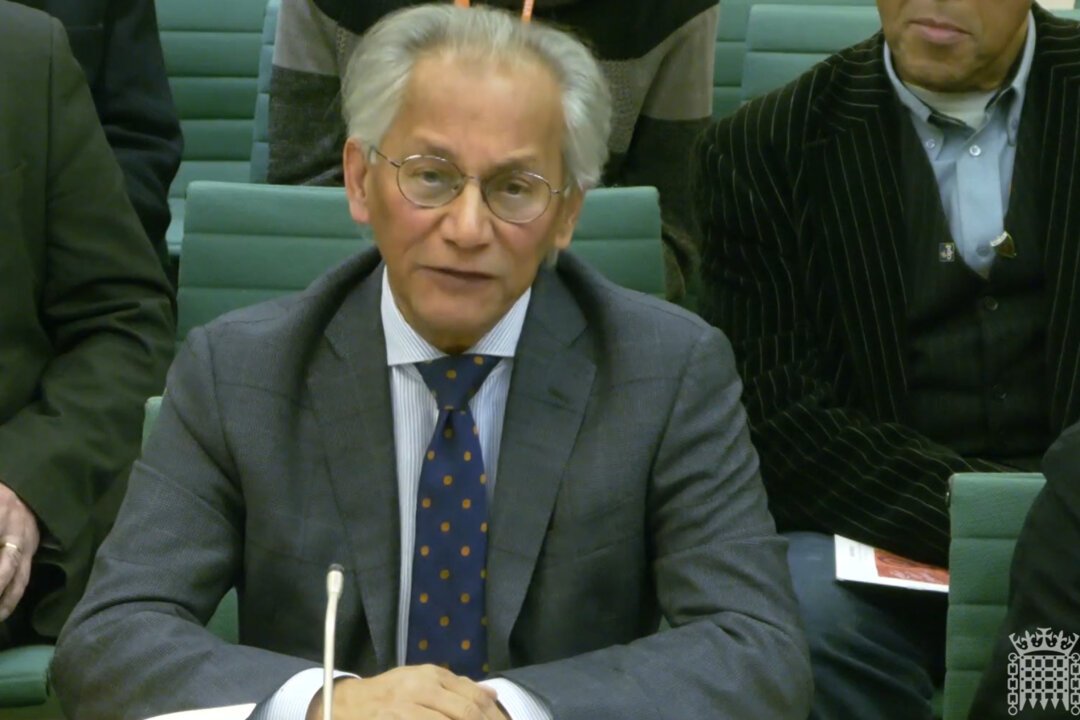
Speaking before British lawmakers during a parliamentary hearing, Shah faced pointed questions about the corporation’s response to damaging revelations contained in a confidential memo that exposed apparent political bias within the BBC’s flagship current affairs program, Panorama.
The leaked document, written by a former BBC adviser, detailed multiple concerns about what appeared to be systematic bias in the corporation’s news coverage. The memo specifically highlighted issues with how Panorama editors handled footage of Trump’s speech on the day of the Capitol riots, raising serious questions about the BBC’s editorial standards and impartiality.
The controversy has placed intense scrutiny on the BBC’s editorial processes and its commitment to balanced reporting. As Britain’s publicly-funded broadcaster, the corporation is legally required to maintain strict impartiality in its news coverage, making allegations of political bias particularly damaging.
Shah’s admission of a sluggish response comes at a challenging time for the BBC, which has faced increasing criticism over its editorial decisions and political coverage. The chairman appeared before the Culture, Media, and Sport Committee alongside the author of the leaked memo, creating an unprecedented moment of accountability for the broadcasting giant.
The internal document raised broader questions about editorial oversight within BBC News and whether similar instances of apparent bias may have occurred in other programs. Critics have argued that the leaked memo represents evidence of deeper systemic issues within the corporation’s newsroom culture.
Parliamentary committee members pressed Shah on what concrete steps the BBC has taken to address the concerns raised in the memo and prevent similar incidents in the future. The chairman’s acknowledgment that the corporation was “too slow to act” suggests internal recognition that the initial response was inadequate.
The Panorama editing controversy has also reignited debates about media regulation and oversight of public service broadcasting in the UK. Opposition politicians have called for stronger accountability measures and more transparent editorial processes at the BBC.
This latest scandal adds to mounting pressure on the corporation, which has struggled to maintain public trust amid accusations of political bias from across the political spectrum. The timing is particularly sensitive as the BBC faces ongoing discussions about its funding model and future structure.
Shah’s testimony represents a rare moment of public accountability for the BBC’s leadership, as senior executives are typically reluctant to acknowledge editorial failures or systemic problems within the organization’s news operations.