












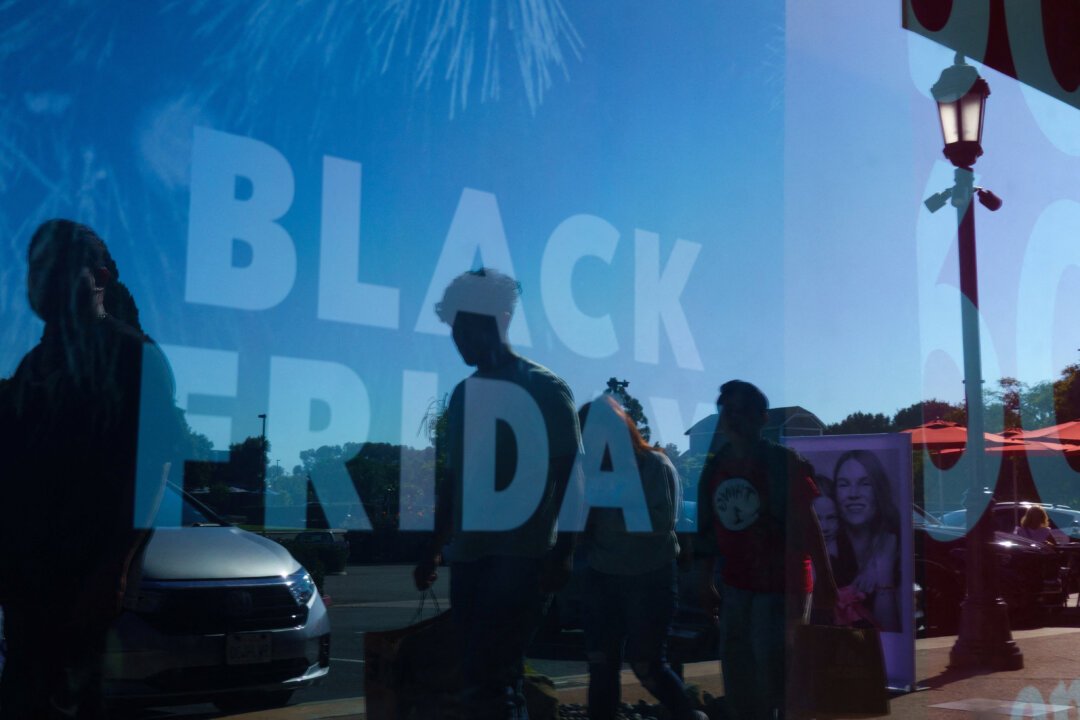
As Thanksgiving turkey settles and families across America gather around dining tables, retailers nationwide are bracing for what could be the most explosive Black Friday shopping event in recent history. This year’s post-Thanksgiving shopping bonanza promises to shatter previous records, with an unprecedented wave of deal-hungry consumers ready to storm both physical stores and digital marketplaces.

The numbers tell a compelling story of American consumer enthusiasm. According to the National Retail Federation (NRF), an estimated 186.9 million Americans are expected to participate in the five-day shopping marathon stretching from Thanksgiving through Cyber Monday. This projection represents a significant leap from last year’s already impressive 183.4 million shoppers, positioning 2025 as a potential record-breaking year for holiday retail.
For U.S. retailers, the stakes couldn’t be higher. The holiday shopping season that Black Friday traditionally launches typically accounts for approximately one-third of retailers’ entire annual profits, making these next few days absolutely critical for bottom-line success.
The term “Black Friday” itself carries a fascinating origin story that many shoppers may not realize. Back in the early 1960s, Philadelphia police officers coined this now-famous phrase to describe something far less celebratory than today’s shopping festivities. They used “Black Friday” to characterize the absolute chaos that erupted when massive crowds of suburban tourists flooded into the city to kick off their holiday shopping expeditions.
Interestingly, the retail industry didn’t embrace the “black” terminology as a positive marketing tool until much later. It wasn’t until the late 1980s that merchants began spinning a more optimistic narrative around the phrase. They promoted the idea that retailers typically operated “in the red” throughout most of the year, struggling with losses, until the day after Thanksgiving arrived with its massive sales volumes. These extraordinary shopping surges would finally push businesses “into the black,” meaning they achieved profitability.
This transformation of meaning reflects the broader evolution of Black Friday from a day of municipal headaches to America’s unofficial kickoff of the holiday shopping season. Today, rather than representing chaos and frustration, Black Friday symbolizes opportunity – for retailers to boost their annual earnings and for consumers to snag coveted items at deeply discounted prices.
The projected surge in shopper participation signals robust consumer confidence despite ongoing economic uncertainties. With nearly 187 million Americans planning to shop during the Thanksgiving-to-Cyber Monday period, retailers are preparing for intense competition to capture consumer dollars across multiple channels, from traditional brick-and-mortar stores to increasingly sophisticated online platforms.
As Black Friday 2025 approaches, both retailers and shoppers are positioning themselves for what promises to be an extraordinary display of American consumer culture in action, with record participation levels setting the stage for a holiday shopping season unlike any other.