























In a stunning development that has sent shockwaves across Latin America, US forces have successfully captured Venezuelan President Nicolás Maduro and his wife following what officials describe as a “large-scale strike” operation in Venezuela. The couple now faces federal indictment on narco-terrorism conspiracy charges as they are transported to New York.

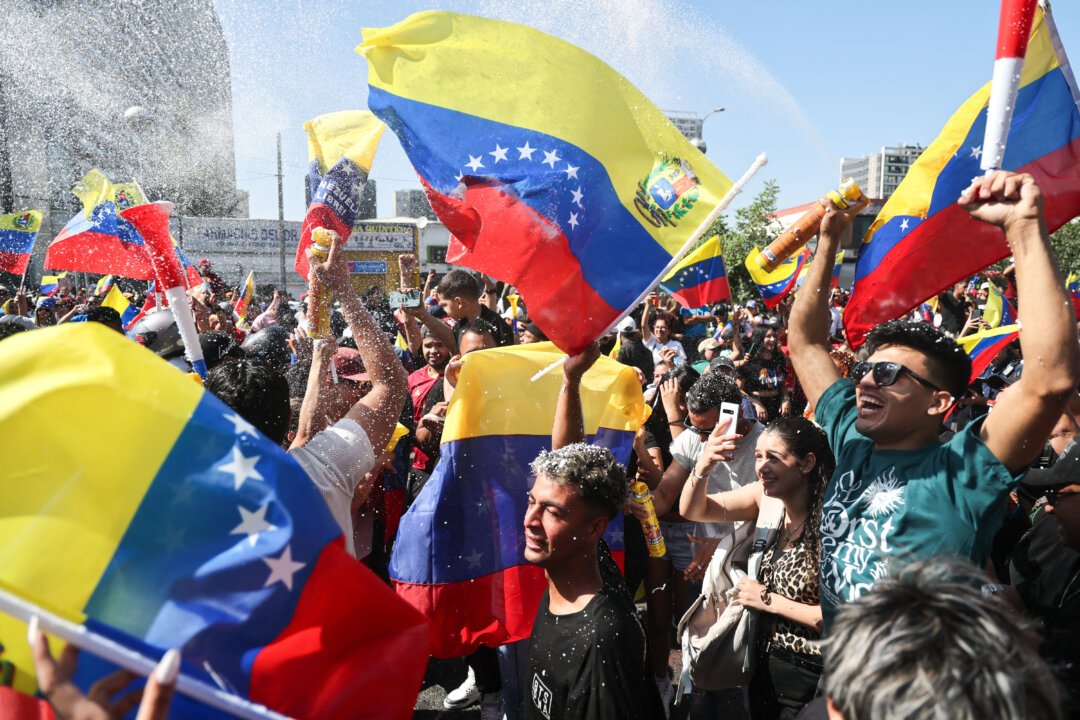
The dramatic operation has fundamentally altered the political landscape in Venezuela, with President Trump announcing that American forces have effectively “rendered powerless” the Venezuelan military and cut power to Caracas. Images of jubilant Venezuelan expatriates celebrating in Santiago, Chile, have emerged as news of Maduro’s capture spreads throughout the region.
Trump, speaking from his administration, called the successful capture a “stunning display of American might” and posted photographs of Maduro in US custody on his social media platforms. The operation marks one of the most significant foreign policy actions targeting a sitting head of state in recent memory.
The narco-terrorism charges against both Maduro and his wife stem from long-standing allegations that the Venezuelan government has been complicit in international drug trafficking operations. Federal prosecutors have been building cases against Venezuelan leadership for years, citing evidence of collaboration with drug cartels and the facilitation of cocaine trafficking routes through Venezuelan territory.
In a press briefing, Trump indicated that the United States stands ready to launch additional military strikes if necessary, emphasizing America’s commitment to dismantling what he characterized as a criminal regime. “We’re prepared for a second strike if the situation demands it,” Trump stated, signaling that the operation may expand beyond the initial capture.
The administration has also announced that the United States will maintain operational control over Venezuela during what officials are calling a “transition period.” This unprecedented move raises significant questions about the duration and scope of American involvement in Venezuelan governance.
The successful operation has effectively crippled Venezuela’s command structure, with reports indicating that key government facilities in Caracas have lost power as part of the broader military action. The extent of the infrastructure impact remains unclear as communications from the capital have been severely limited.
International observers are closely monitoring the situation as it unfolds, with neighboring countries expressing concern about regional stability. The capture of a sitting president represents a dramatic escalation in US-Venezuela relations, which have been deteriorating for years amid accusations of authoritarianism and human rights abuses.
The legal proceedings against Maduro and his wife are expected to begin immediately upon their arrival in New York, where federal prosecutors have prepared extensive documentation supporting the narco-terrorism conspiracy charges. The case could set a significant precedent for how the international community addresses state-sponsored criminal activities.
As Venezuelan communities worldwide react to the news, the focus now shifts to what comes next for the oil-rich nation and how the international community will respond to this unprecedented intervention in Latin American affairs.