



























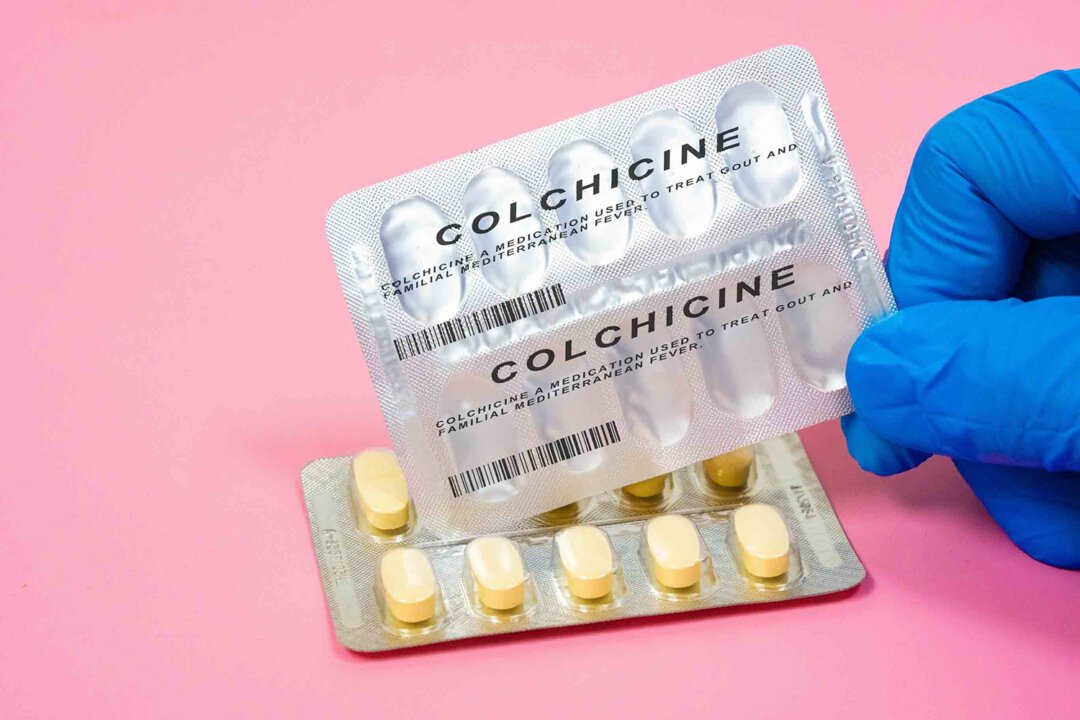
A breakthrough medical review has uncovered promising evidence that a widely available gout medication could serve as a powerful weapon against cardiovascular disease, potentially preventing thousands of heart attacks and strokes annually when used alongside conventional heart treatments.

The comprehensive analysis, which examined data from 12 separate studies, reveals that low-dose colchicine—a medication traditionally prescribed for gout flare-ups—demonstrates remarkable cardiovascular protective benefits when combined with standard heart disease therapies. The findings suggest this inexpensive drug could revolutionize preventive cardiology care.
The research delivers compelling statistics: for every 1,000 patients who received the colchicine treatment protocol, medical professionals observed nine fewer heart attacks and eight fewer strokes compared to patients receiving only conventional heart medications. Perhaps equally important, this significant reduction in cardiovascular events came with minimal adverse side effects.
Colchicine, derived from the autumn crocus plant, has been used medicinally for centuries, primarily to treat gout—a painful inflammatory arthritis condition. However, recent scientific investigations have explored its anti-inflammatory properties for broader medical applications, particularly in cardiovascular disease prevention.
The medication’s mechanism of action centers on its ability to reduce inflammation, a key contributor to heart disease progression. By targeting inflammatory pathways that contribute to arterial plaque formation and instability, colchicine may help stabilize vulnerable coronary plaques that could otherwise rupture and trigger heart attacks.
This meta-analysis represents a significant advancement in understanding how repurposed medications can enhance existing cardiovascular treatment protocols. The cost-effectiveness of colchicine, combined with its established safety profile and widespread availability, makes it an attractive option for healthcare systems worldwide seeking to reduce cardiovascular disease burden.
Medical experts emphasize that patients should not self-medicate with colchicine for heart disease prevention. Any decision to incorporate this medication into cardiovascular treatment plans must involve careful consultation with healthcare providers, who can assess individual risk factors and determine appropriate dosing strategies.
The findings add to growing evidence supporting the inflammation hypothesis of heart disease, which suggests that reducing systemic inflammation can significantly impact cardiovascular outcomes. As researchers continue investigating colchicine’s cardioprotective effects, this humble gout medication may soon become a cornerstone of modern heart disease prevention strategies.
For the millions of Americans living with cardiovascular disease risk factors, these results offer hope for improved outcomes through accessible, affordable treatment options that could be integrated into existing care protocols.