


























The generational gap between older Americans and Generation Z has never felt wider. Born into a digital-first world, these young adults—most of whom entered the world after 2000—often seem like they’re speaking an entirely different language from their parents and grandparents. But according to experts who study generational dynamics, the key to bridging this divide lies not in criticism, but in understanding and strategic engagement.

The echo of “Don’t trust anyone over 30″—a rallying cry from the 1960s counterculture—resonates today as many Gen Z individuals express feelings of being misunderstood by older generations. This intergenerational tension isn’t unprecedented; every generation has grappled with connecting across age divides. However, today’s challenge is amplified by the unprecedented pace of technological change and the digital landscape that shapes how young people interact with the world.
The question facing parents, educators, employers, and community leaders is urgent: How do we meaningfully connect with a generation that’s been shaped by rapid technological evolution, constant digital stimulation, and experiences that often substitute virtual interactions for real-world engagement? Drawing from extensive observations and interactions with Generation Z, several actionable strategies emerge for building these crucial bridges.
Avoid the Pity Trap
The first misstep many older adults make is approaching Gen Z with excessive sympathy for their challenges—from navigating the COVID-19 pandemic to managing technology-driven distractions. While empathy is essential, pity isn’t productive. Every generation has faced unique obstacles and adapted accordingly. Gen Z needs guidance and support, not condescension. Rather than enabling patterns of instant gratification, focus on steering young people toward sustainable, fulfilling paths forward.
Celebrate Analog Achievements
When you encounter a Gen Z individual reading a physical book, writing by hand, or engaging with printed materials instead of staring at a screen, acknowledge it. These moments represent meaningful breaks from digital overload and deserve recognition. Encourage the use of traditional learning tools—books, dictionaries, encyclopedias—that promote deeper critical thinking. Research consistently demonstrates that excessive screen time negatively impacts cognitive function and displaces healthy activities like physical exercise, proper nutrition, adequate sleep, and outdoor recreation.
Emphasize Work Ethic and Professional Standards
As Gen Z transitions from academic environments to professional settings, mentorship around work ethic becomes crucial. The workplace trend of “quiet quitting”—performing only the bare minimum required—isn’t a sustainable career strategy. Professional success requires dependability, engagement, and resistance to constant digital distractions. Help young people understand that building character and advancing careers happens through experience, merit, and patience—there are no shortcuts to professional growth or personal development.
Ask Purpose-Driven Questions
Meaningful dialogue starts with thoughtful questions about life direction and personal fulfillment. Consider asking: Do you begin each day with a clear sense of purpose? What career path might bring you genuine satisfaction? What unique interests and skills are you developing? These conversations create opportunities for deeper understanding while helping young people articulate their aspirations and concerns.
Understand the Attention Challenge
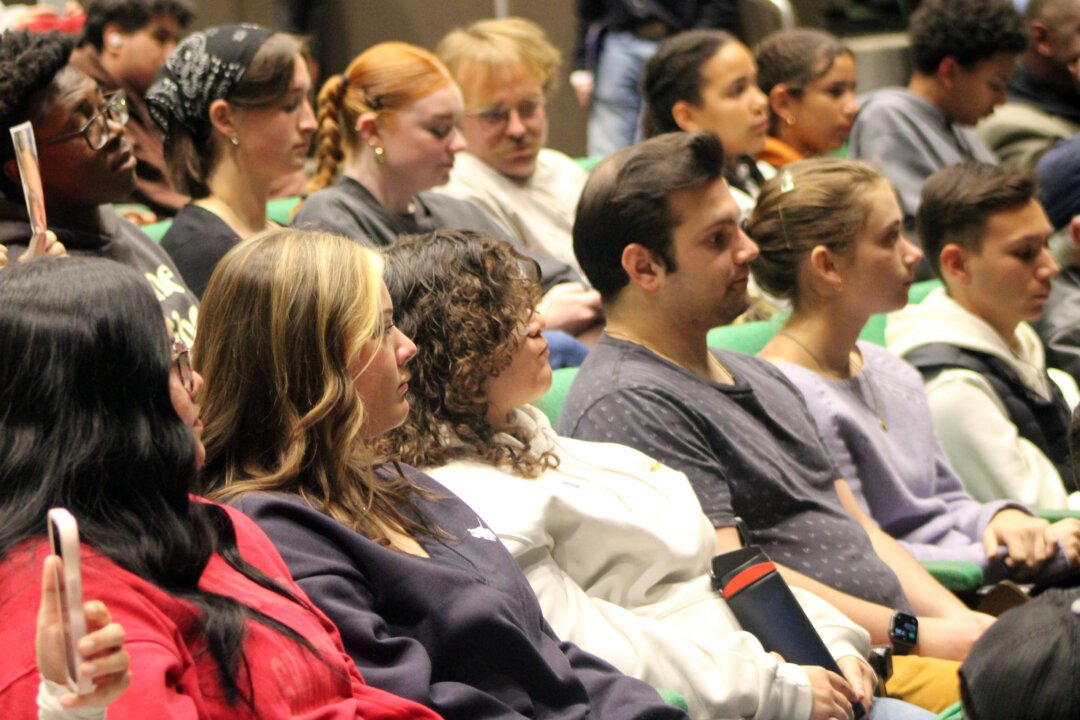
A common pattern emerges when observing Gen Z audiences: they may appear engaged during motivational presentations about discipline and character development, but immediately return to social media scrolling once the formal program ends. This behavior reflects the powerful pull of digital platforms rather than rejection of positive messages. Recognizing this pattern helps set realistic expectations while maintaining hope that meaningful content will eventually influence decision-making.
Prioritize Face-to-Face Interaction
Technology-free, in-person conversations create space for authentic communication and sustained eye contact—both crucial for developing real-world social skills and improving attention spans. Like every generation, Gen Z has areas for growth, but the challenges of academic and professional environments can foster development when approached constructively. Focus on highlighting strengths while reinforcing the importance of personal responsibility and self-management.
Embrace Mutual Learning
Effective intergenerational connection requires two-way knowledge exchange. Older generations can enhance their technological literacy—increasingly essential in modern life—while sharing accumulated wisdom and life experience. Many Gen Z individuals actively seek meaningful social connections and spiritual insight. Deeper spiritual awareness can guide them toward truth and appreciation for enduring cultural values and American traditions.
Maintain Long-Term Perspective
Perhaps most importantly, avoid writing off Gen Z as a lost cause. While their behaviors might sometimes prompt frustration—making older adults want to deliver a “wake up and smell the coffee” reality check—remember that this generation represents America’s future. Many young people demonstrate genuine eagerness to learn and contribute when approached with patience and respect. Like all humans, they’re searching for meaning and purpose in their lives, and they can flourish when provided with thoughtful guidance and opportunities for growth.
The generational divide between older Americans and Gen Z isn’t insurmountable, but bridging it requires intentional effort, strategic thinking, and genuine commitment to understanding rather than judgment. By implementing these evidence-based approaches, we can build stronger connections across generational lines and help young people develop into their best selves while learning from their unique perspectives and capabilities.