













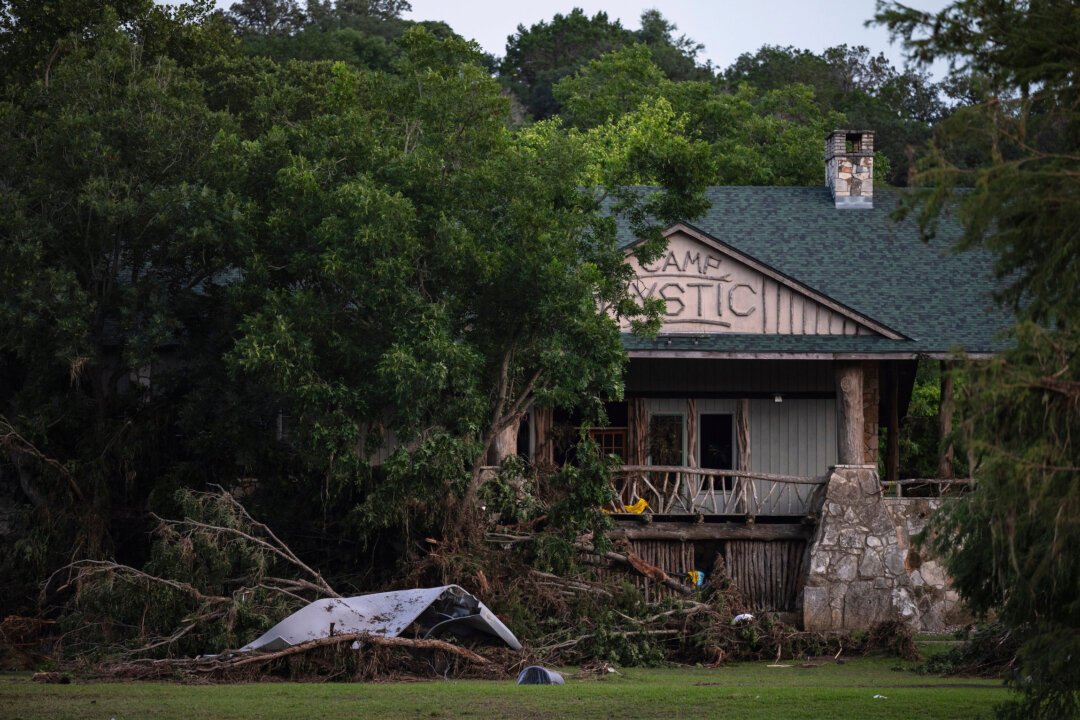
In a somber announcement that marks a critical turning point for youth camping safety in Texas, the owners of Camp Mystic revealed extensive new safety protocols Tuesday, nearly five months after a devastating flash flood claimed the lives of 25 young campers and two teenage counselors at their Hill Country facility.

The tragic July 4th flooding, which transformed what should have been a day of celebration into an unthinkable disaster, prompted immediate legislative action across Texas. The catastrophic event was part of a larger weather system that wreaked havoc throughout the region, ultimately taking at least 136 lives and obliterating homes and vehicles in its destructive path.
Camp Mystic’s leadership addressed grieving families and the broader community through a carefully worded letter to parents, outlining their commitment to implementing safety measures that will exceed the requirements of newly enacted state legislation. Texas Governor Greg Abbott signed these comprehensive camp safety laws in direct response to the July tragedy, marking the most significant overhaul of youth camp regulations in the state’s history.
The all-girls summer camp, nestled in Hunt, Texas, plans to partially reopen next summer with these enhanced safety protocols fully operational. This decision comes as camp administrators, state regulators, and families grapple with balancing the cherished tradition of summer camping with the imperative to protect young lives from increasingly unpredictable weather events.
The announcement represents a watershed moment for the camping industry, as facilities across Texas and beyond reassess their emergency preparedness procedures. The July 4th flood at Camp Mystic exposed critical vulnerabilities in how summer camps monitor and respond to rapidly changing weather conditions, particularly flash flooding that can transform serene creek beds into deadly torrents within minutes.
As debris still marks the landscape where the tragedy unfolded, the camp’s commitment to exceeding new safety standards signals a broader transformation in how the industry approaches child safety. The enhanced protocols will likely serve as a model for camps nationwide, as administrators recognize that traditional safety measures may no longer be sufficient in an era of extreme weather events.
The partial reopening plan suggests that Camp Mystic’s owners are taking a measured approach to resuming operations, prioritizing the implementation and testing of new safety systems over a full return to pre-tragedy capacity. This cautious strategy reflects both the gravity of what occurred and the immense responsibility camp administrators face in rebuilding trust with families who entrust them with their children’s safety and well-being.