



























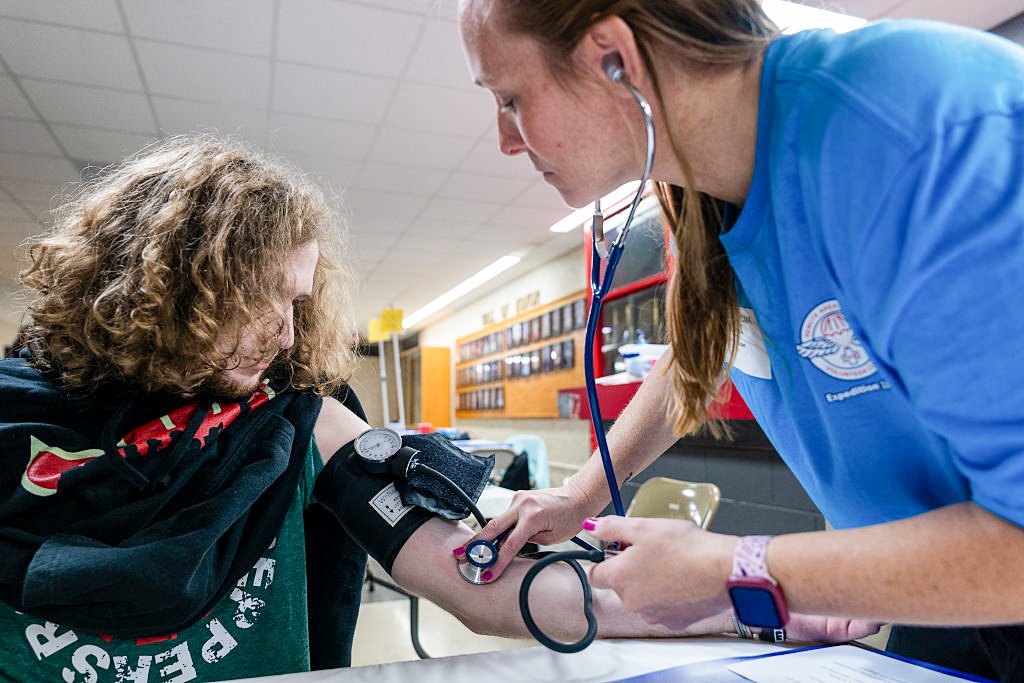
A staggering rise in high blood pressure among children worldwide has medical experts sounding the alarm, with new research revealing that cases have nearly doubled since 2000. The dramatic increase appears to mirror the global surge in childhood obesity rates, painting a concerning picture of young people’s cardiovascular health.

The comprehensive global study found that 6.2 percent of children and teenagers were living with high blood pressure by 2020, representing a significant jump from just 3.2 percent at the turn of the millennium. This means that more than one in every 20 young people now faces this serious health condition that was once considered primarily an adult concern.
Researchers describe the trend as “alarming” and point to the parallel rise in childhood obesity as the primary driving force behind these troubling statistics. The connection between excess weight and elevated blood pressure has been well-established in medical literature, but the scale of the problem among young populations has caught many healthcare professionals off guard.
High blood pressure, also known as hypertension, can lead to serious cardiovascular complications if left untreated. In children, the condition often goes undiagnosed because routine blood pressure screenings are less common in pediatric care compared to adult medicine. This silent progression can set the stage for heart disease, stroke, and other life-threatening conditions later in life.
The study’s findings highlight a growing public health crisis that extends far beyond individual families. Healthcare systems worldwide are now grappling with conditions that traditionally affected middle-aged and older adults appearing in much younger populations. This shift demands new approaches to pediatric care and prevention strategies.
Medical experts emphasize that childhood obesity and high blood pressure are largely preventable conditions. Diet modification, increased physical activity, and lifestyle changes can dramatically improve outcomes for affected children. However, addressing the root causes requires coordinated efforts from families, schools, healthcare providers, and policymakers.
The research underscores the urgent need for enhanced screening protocols in pediatric settings and more robust prevention programs targeting childhood obesity. As these statistics continue to climb, the medical community faces mounting pressure to develop innovative solutions that can reverse this dangerous trend before it defines an entire generation’s health trajectory.
Parents and caregivers are being urged to work closely with healthcare providers to monitor their children’s blood pressure and maintain healthy lifestyle habits from an early age. Early intervention remains the most effective tool in preventing these conditions from becoming lifelong health challenges.