


























China’s latest military exercises surrounding Taiwan have revealed Beijing’s growing capacity to isolate the island through naval and air blockades, but defense experts argue this aggressive posturing is producing unintended consequences that ultimately strengthen Taiwan’s position on the global stage.

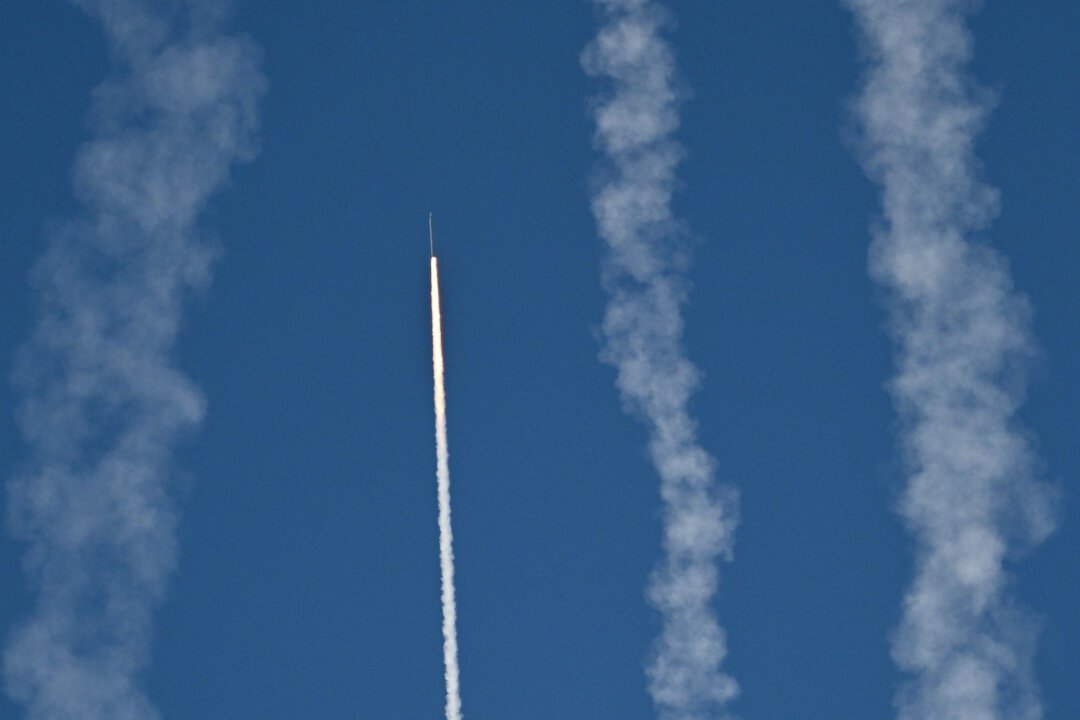
The Chinese People’s Liberation Army concluded its comprehensive military drills around Taiwan on December 31, with Beijing’s Ministry of National Defense characterizing the operations as a successful evaluation of integrated joint combat capabilities. The exercises involved coordinated naval, air, and missile forces conducting what military analysts described as a simulated blockade scenario.
However, regional security specialists warn that China’s increasingly provocative military demonstrations are backfiring diplomatically, prompting the United States to expand its security commitments to Taiwan and drawing greater international attention to the island’s strategic importance.
The timing of these military exercises has raised particular concern among defense analysts, who note that such large-scale operations typically signal Beijing’s displeasure with recent diplomatic or military developments involving Taiwan and its international partners.
Military observers point out that while China’s exercises showcase improved coordination between different branches of the PLA, they also expose potential vulnerabilities in Beijing’s strategy. The highly visible nature of these drills provides valuable intelligence to Taiwan’s defense planners and international allies about Chinese military capabilities and operational patterns.
Defense experts emphasize that each escalatory move by China tends to strengthen the case for enhanced U.S. military support to Taiwan, creating a cycle where Beijing’s attempts at intimidation actually bolster the island’s defensive capabilities and international backing.
The strategic implications extend beyond immediate military concerns, as analysts note that China’s aggressive posture is reshaping regional alliances and encouraging closer cooperation between Taiwan’s unofficial allies in the Indo-Pacific region.
Regional security specialists warn that while these military demonstrations serve Beijing’s domestic political objectives, they risk miscalculation that could trigger a broader conflict neither side ultimately wants. The exercises underscore the delicate balance of deterrence that defines cross-strait relations in an increasingly tense geopolitical environment.
As China continues to refine its military capabilities around Taiwan, defense analysts stress that the island’s security increasingly depends not just on its own defensive preparations, but on maintaining strong informal alliances that make any potential Chinese aggression prohibitively costly on the international stage.