



























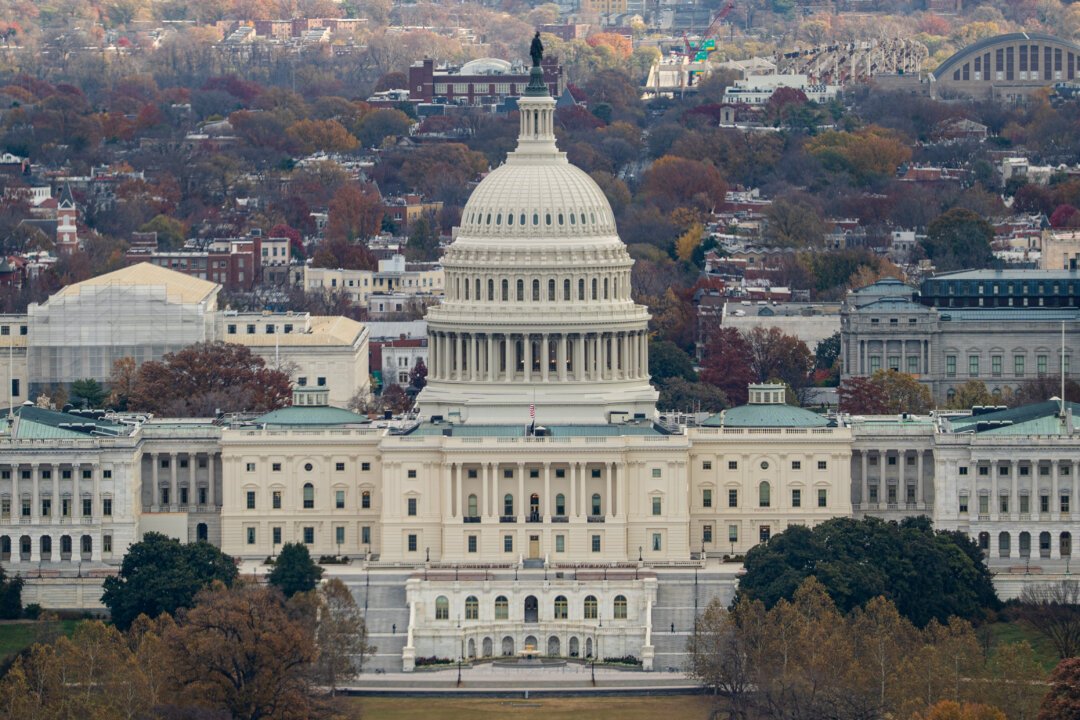
With time running out on enhanced Obamacare subsidies, Capitol Hill is bracing for a pivotal showdown that could determine the fate of health insurance for millions of Americans. Senate Democrats are positioning for a crucial vote next week to extend the expiring financial assistance, while Republicans continue their search for market-driven alternatives to address the nation’s spiraling health care costs.

The looming deadline has created an urgent political battleground, with 24 million Americans who purchase insurance through the Affordable Care Act marketplace hanging in the balance. These enhanced subsidies, which have made coverage more affordable for middle-class families, are set to expire without congressional action.
The current standoff reflects a broader, more complex challenge facing lawmakers from both sides of the aisle. While there’s bipartisan acknowledgment that America’s health care system has become prohibitively expensive for many families, finding common ground on solutions remains elusive. The fundamental disagreement centers on whether to address the crisis through continued government subsidies or pursue comprehensive market-based reforms.
For Democrats, extending the enhanced subsidies represents a critical lifeline for working families who have come to depend on this financial assistance. The subsidies have proven instrumental in making health insurance premiums manageable for households that earn too much to qualify for traditional Medicaid but still struggle with the high cost of private coverage.
Republicans, meanwhile, are advocating for a more fundamental restructuring of the health care marketplace. They argue that simply subsidizing existing high costs fails to address the root causes of America’s health care affordability crisis. Instead, GOP lawmakers are exploring market-oriented solutions designed to drive down underlying medical costs and increase competition among insurers.
The timing of this legislative battle adds another layer of complexity to an already challenging political landscape. With the enhanced subsidies set to expire, millions of Americans face the prospect of significantly higher insurance premiums just as open enrollment periods conclude across the country.
Industry analysts warn that allowing the subsidies to lapse could trigger a domino effect throughout the individual insurance market. Higher premiums could force healthier, younger Americans to drop coverage, potentially destabilizing risk pools and driving costs even higher for those who remain in the system.
The debate also highlights the ongoing evolution of the Affordable Care Act more than a decade after its initial passage. What began as a comprehensive overhaul of America’s health insurance system continues to require regular congressional intervention and modification to address emerging challenges and changing market conditions.
As senators prepare for next week’s expected vote, the stakes couldn’t be higher for American families nationwide. The outcome will not only determine immediate access to affordable health insurance but could also set the stage for broader health care reform discussions in the years ahead.
Beyond the immediate question of subsidy extension, lawmakers face the more daunting challenge of addressing systemic issues that have made American health care among the world’s most expensive. Rising prescription drug costs, hospital consolidation, and administrative complexity all contribute to a system that consumes a larger share of the nation’s economic output than any other developed country.
The current congressional session represents a critical window for action, as political dynamics and competing priorities could make comprehensive health care reform even more challenging in the future. For now, both parties appear united in recognizing the urgency of maintaining affordable coverage options for the millions of Americans who depend on the ACA marketplace, even as they continue to disagree on long-term solutions.