













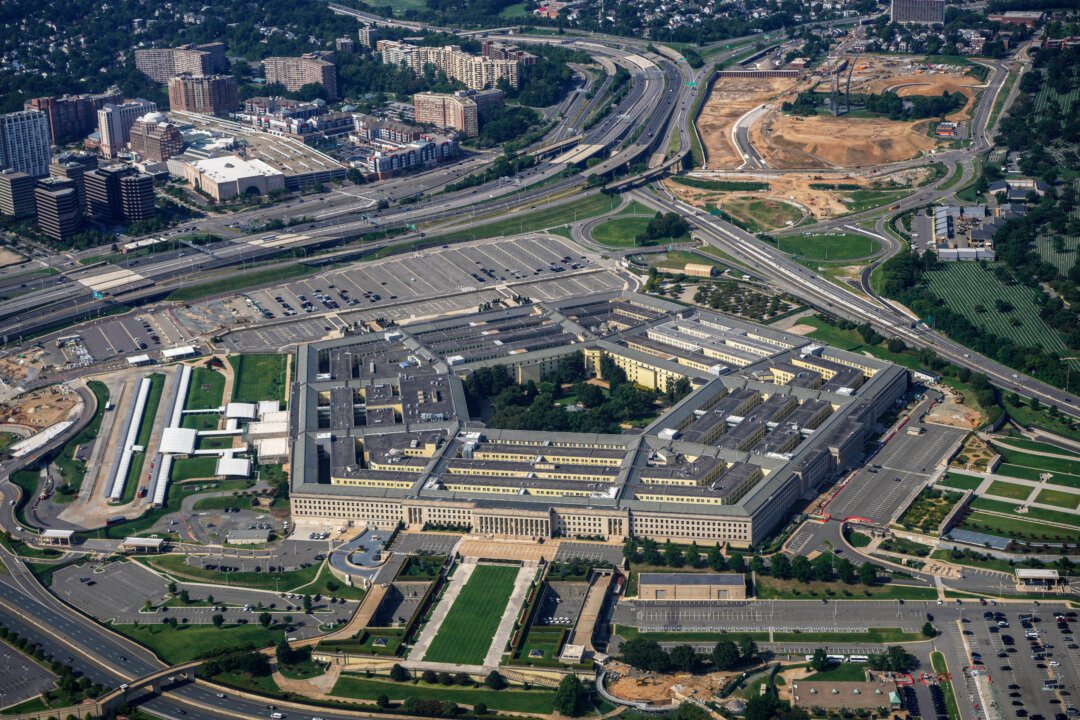
Congressional lawmakers are poised to vote as early as this week on a massive 3,086-page defense spending bill that would authorize $901 billion for critical military and national security programs across the United States.

The comprehensive legislation, officially known as the National Defense Authorization Act (NDAA), represents a carefully negotiated compromise between House and Senate positions. The $901 billion figure lands squarely between the lower amount previously approved by the House and the Senate’s more ambitious $925 billion version passed earlier this year.
This sweeping defense bill serves as the blueprint for America’s military priorities and national security strategy for the upcoming fiscal year. The NDAA outlines the various programs, policies, and strategic initiatives that the U.S. government is authorized to pursue, spanning everything from troop readiness and equipment procurement to cybersecurity measures and international partnerships.
It’s important to note that the National Defense Authorization Act functions separately from the defense appropriations legislation. While the NDAA provides the legal framework and authorization for military programs, separate appropriations bills are still required to actually fund these authorized initiatives.
The timing of this potential vote comes at a critical juncture for American defense policy, as lawmakers balance competing priorities including military modernization, global security threats, and fiscal responsibility. The massive scope of the 3,000-plus page document reflects the complexity of modern defense planning and the wide range of security challenges facing the nation.
Congressional leaders from both parties have been working to build consensus around this compromise version, recognizing the importance of maintaining America’s defense capabilities while managing budgetary constraints. The bill’s passage would provide crucial guidance for Pentagon planning and military operations in the coming year.
As lawmakers prepare for the upcoming vote, defense contractors, military leaders, and national security experts are closely monitoring which specific programs and policies will receive authorization under this substantial defense package.