


























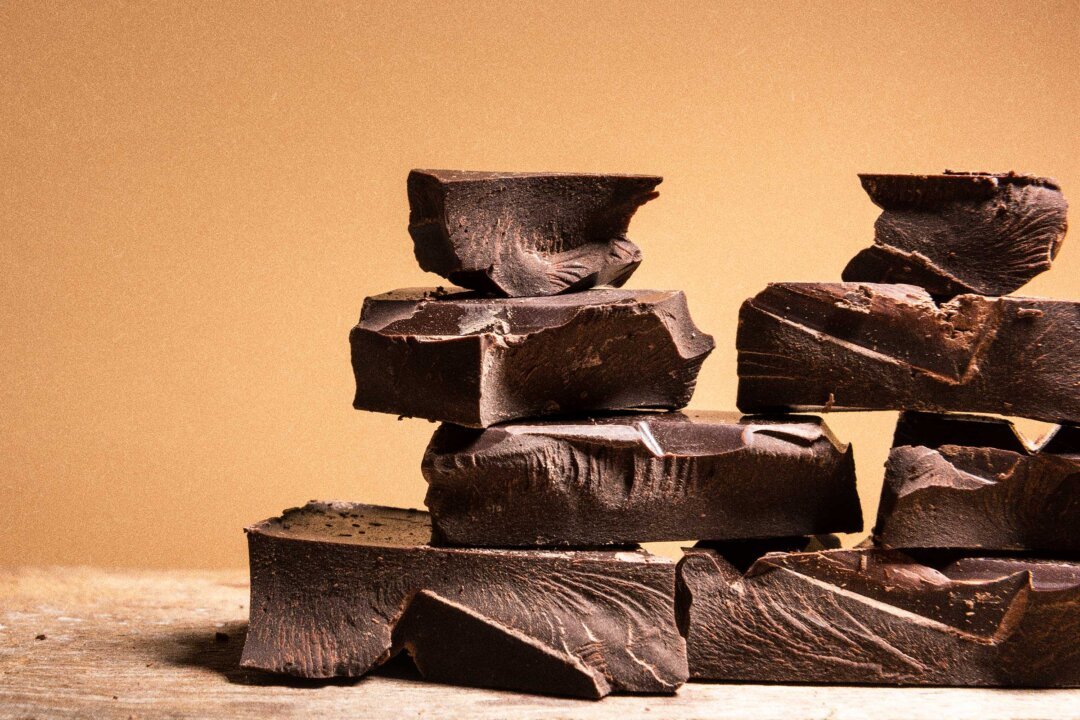
Your daily indulgence in dark chocolate might be doing more than satisfying your sweet tooth—it could actually be helping you age more gracefully at the cellular level.

Groundbreaking research from King’s College London has uncovered compelling evidence that theobromine, a naturally occurring compound abundant in dark chocolate, may play a significant role in slowing down the biological aging process. The discovery adds a new dimension to our understanding of how certain foods can influence longevity at the most fundamental level of human biology.
The research team focused on theobromine, the bitter alkaloid that gives dark chocolate its distinctive taste and is responsible for many of its physiological effects. Unlike caffeine, its more famous cousin, theobromine provides a gentler, longer-lasting stimulation and has now been linked to remarkable anti-aging properties.
Scientists measured various biomarkers associated with cellular aging and found that individuals with higher levels of theobromine in their systems showed significantly slower rates of cellular deterioration. This suggests that the compound may help preserve the integrity of our cells over time, potentially contributing to healthier aging and increased longevity.
However, researchers are quick to caution chocolate enthusiasts against interpreting these findings as a green light for unlimited consumption. The study’s implications, while promising, don’t translate into a recommendation to increase chocolate intake dramatically. The key lies in understanding the optimal amount needed to achieve beneficial effects without the negative consequences of excessive sugar and calorie consumption.
The cellular aging process involves the gradual deterioration of cellular functions and structures over time, leading to the physical and cognitive changes we associate with growing older. By potentially slowing this process, theobromine could represent a valuable tool in the fight against age-related decline.
Dark chocolate typically contains significantly higher levels of theobromine compared to milk chocolate, making it the preferred choice for those interested in maximizing potential anti-aging benefits. The concentration of this compound varies depending on the cocoa content, with darker varieties generally containing more of the beneficial alkaloid.
This research builds upon a growing body of evidence supporting the health benefits of moderate dark chocolate consumption. Previous studies have linked dark chocolate to improved cardiovascular health, enhanced cognitive function, and better blood sugar regulation. The addition of anti-aging properties to this list further solidifies dark chocolate’s reputation as a functional food.
The King’s College London study represents a significant step forward in understanding how specific dietary compounds can influence the aging process. As the global population continues to age, identifying natural substances that can promote healthy aging becomes increasingly important for public health initiatives and individual wellness strategies.
While the findings are encouraging, researchers emphasize the need for additional studies to fully understand the mechanisms behind theobromine’s anti-aging effects and to establish optimal dosage recommendations. The complexity of the aging process means that no single compound is likely to be a complete solution, but theobromine may prove to be a valuable component of a comprehensive approach to healthy aging.
For now, the study provides yet another reason to feel good about enjoying high-quality dark chocolate in moderation as part of a balanced diet and healthy lifestyle.